
Before Memmo my notes were scattered across PDFs. Now a workspace pulls everything into one place — I see exactly what's still left to study.
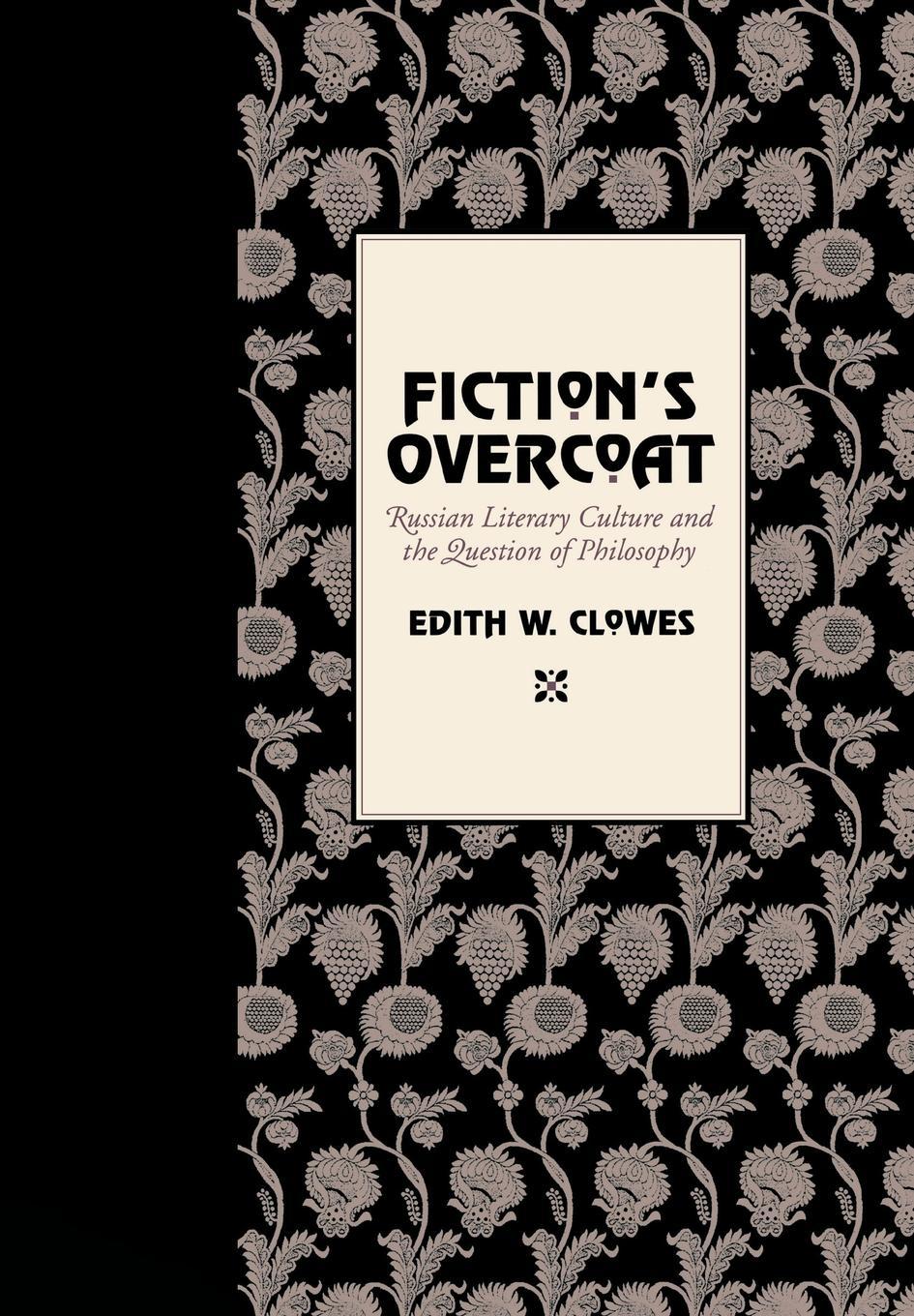
If Dostoevsky claimed that all Russian writers of his day "came out from Gogol's 'Overcoat,'" then Edith W. Clowes boldly expands his dramatic image to describe the emergence of Russian philosophy out from under the "overcoat" of Russian literature.
In Fiction's Overcoat, Clowes responds to the view, commonly held by Western European and North American thinkers, that Russian culture has no philosophical tradition. If that is true, she asks, why do readers everywhere turn to the classics of Russian literature, at least in part because Russian writers so famously engage universal questions, because they are so "philosophical"? Her answer to this question is a lively and comprehensive volume that details the origins, submergence, and re-emergence of a rich and vital Russian philosophical tradition.
During the late nineteenth and early twentieth centuries, Russian philosophy emerged in conversation with narrative fiction, radical journalism, and speculative theology, developing a distinct cultural discourse with its own claim to authority and truth. Leading Russian thinkers—Berdiaev, Losev, Rozanov, Shestov, and Solovyov—made philosophy the primary forum in which Russians debated metaphysical, aesthetic, and ethical questions as well as issues of individual and national identity. That debate was tragically truncated by the events of 1917 and the rise of the Soviet empire. Today, after seventy years of enforced silence, this particularly Russian philosophical culture has resurfaced. Fiction's Overcoat serves as a welcome guide to its complexities and nuances.
Historians and cultural critics will find in Clowes's book the story of the increasing refinement and diversification of Russian cultural discourse, philosophers will find an alternative to the Western philosophical tradition, and students of literature will enjoy the opportunity to rethink the great Russian novelists—particularly Dostoevsky, Pasternak, and Platonov—as important voices in the process of shaping and sustaining a new philosophy and ensuring its survival into our own age.
Before Memmo my notes were scattered across PDFs. Now a workspace pulls everything into one place — I see exactly what's still left to study.
Memmo's summaries are gold before exams. I don't have to re-read 800 pages two weeks before — just the important parts.
The AI chat has saved me the night before an exam more than once. I just keep asking until I get it — no waiting on a study group to reply.
The quizzes hit exactly what I need to know. Memmo tracks what I get stuck on — so I only practice what's worth it.
Flashcards with spaced repetition are magic. Memmo knows when I'm about to forget something and brings it back.
The AI podcasts are my favorite. I listen on my way to school and get a recap without sitting at a computer.

Handbok i kvalitativa metoder
281 kr

Hållbar utveckling: en introduktion för ingenjörer och andra problemlösare
334 kr

Brymans Samhällsvetenskapliga metoder
390 kr

Projektledning
491 kr

Den orättvisa hälsan: om socioekonomiska skillnader i hälsa och livslängd
326 kr

Organizational Leadership
429 kr

Vetenskapsteori för nybörjare
196 kr

På väg mot läraryrket
172 kr

Det sociala livet i skolan: Socialpsykologiska perspektiv
253 kr

Betygsättningens didaktik
151 kr

Personality
402 kr

Studying Leadership
404 kr

Managing Innovation
477 kr

Introduktion till samhällsvetenskaplig metod
347 kr

The Psychology of Sex and Gender
698 kr

Evidens och kunskap för socialt arbete
207 kr

Introduction to Leadership
605 kr