
Before Memmo my notes were scattered across PDFs. Now a workspace pulls everything into one place — I see exactly what's still left to study.
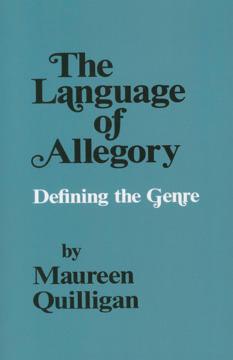
This lively and innovative work treats a body of literature not previously regarded as a unified genre. Offering comparative readings of a number of texts that are traditionally called allegories and that cover a wide time span, Maureen Quilligan formulates a vocabulary for talking about the distinctive generic elements they share. The texts she considers range from the twelfth-century De planctu naturae to Pynchon's Gravity's Rainbow, and include such works as Le Roman de la Rose, Langland's Piers Plowman, Hawthorne's Scarlet Letter, Melville's Confidence Man, and Spenser's Faerie Queene. Whether or not readers agree with this book, they will enjoy and profit from it.
Before Memmo my notes were scattered across PDFs. Now a workspace pulls everything into one place — I see exactly what's still left to study.
Memmo's summaries are gold before exams. I don't have to re-read 800 pages two weeks before — just the important parts.
The AI chat has saved me the night before an exam more than once. I just keep asking until I get it — no waiting on a study group to reply.
The quizzes hit exactly what I need to know. Memmo tracks what I get stuck on — so I only practice what's worth it.
Flashcards with spaced repetition are magic. Memmo knows when I'm about to forget something and brings it back.
The AI podcasts are my favorite. I listen on my way to school and get a recap without sitting at a computer.