
Before Memmo my notes were scattered across PDFs. Now a workspace pulls everything into one place — I see exactly what's still left to study.
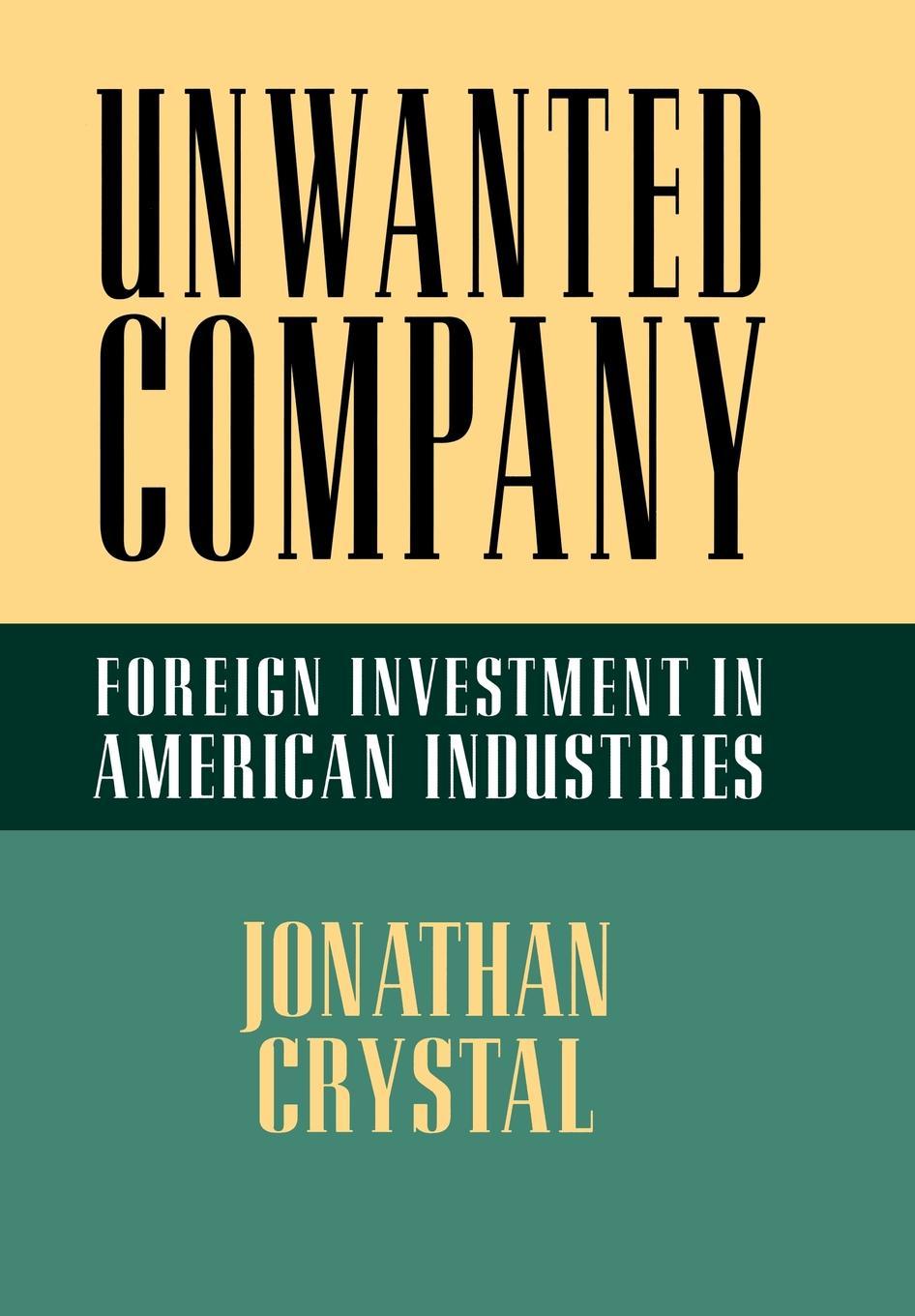
In the last quarter century, the U.S. economy has been transformed by a large inflow of direct investment from abroad. Foreign companies, mainly from Europe and Japan, have built factories and acquired U.S. firms at an ever-increasing rate. Jonathan Crystal finds inconsistencies in how American businesses have responded to this globalization of production.
U.S. firms, especially multinationals, have conflicting interests regarding investment protection, Crystal shows. Many American firms, under siege from overseas competitors, have already expended considerable energy in obtaining trade protection, but they are competing not only with foreign imports but also with locally established foreign-owned firms. American businesses may favor stricter regulation of foreign companies that threaten their bottom line, but they also consider their own interests as global investors subject to retaliatory protection in other countries. Restrictions on "foreign" investment, it seems, are not so attractive when they are imposed by other countries.
Unwanted Company examines the different ways in which important U.S. industries (including semiconductors, automobiles, steel, consumer electronics, telecommunications, and airlines) reacted to this new challenge. It focuses on the political responses of U.S.-owned firms to how Washington ought to regulate foreign direct investment and how it ought to treat foreign-owned firms in the United States. Some industries welcomed (or at least didn't oppose) foreign investment, whereas others sought restrictive and discriminatory policies. Crystal demonstrates how the nature of the domestic political environment shapes the translation of economic interests into policy preferences.
Before Memmo my notes were scattered across PDFs. Now a workspace pulls everything into one place — I see exactly what's still left to study.
Memmo's summaries are gold before exams. I don't have to re-read 800 pages two weeks before — just the important parts.
The AI chat has saved me the night before an exam more than once. I just keep asking until I get it — no waiting on a study group to reply.
The quizzes hit exactly what I need to know. Memmo tracks what I get stuck on — so I only practice what's worth it.
Flashcards with spaced repetition are magic. Memmo knows when I'm about to forget something and brings it back.
The AI podcasts are my favorite. I listen on my way to school and get a recap without sitting at a computer.

Handbok i kvalitativa metoder
281 kr

Hållbar utveckling: en introduktion för ingenjörer och andra problemlösare
334 kr

Brymans Samhällsvetenskapliga metoder
390 kr

Projektledning
491 kr

Den orättvisa hälsan: om socioekonomiska skillnader i hälsa och livslängd
326 kr

Vetenskapsteori för nybörjare
196 kr

Organizational Leadership
429 kr

På väg mot läraryrket
172 kr

Det sociala livet i skolan: Socialpsykologiska perspektiv
253 kr

Betygsättningens didaktik
151 kr

Personality
402 kr

Studying Leadership
404 kr

Managing Innovation
477 kr

Introduktion till samhällsvetenskaplig metod
347 kr

The Psychology of Sex and Gender
698 kr

Evidens och kunskap för socialt arbete
207 kr

Introduction to Leadership
605 kr