
Before Memmo my notes were scattered across PDFs. Now a workspace pulls everything into one place — I see exactly what's still left to study.
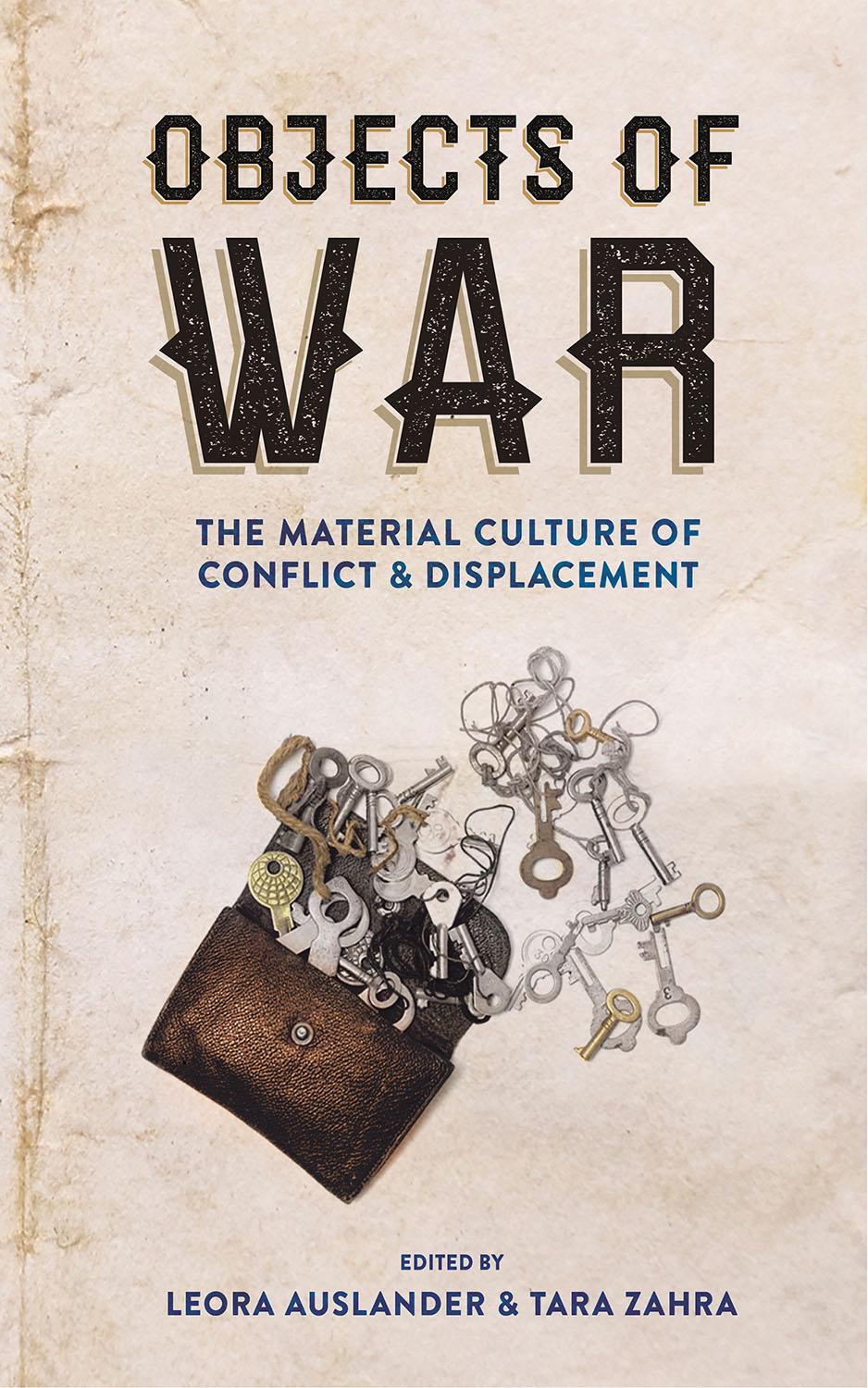
The book, Objects of War, illuminates the ways in which people have used things to grapple with the social, cultural, and psychological upheavals wrought by war and forced displacement.â• Utah Public Radio
Historians have become increasingly interested in material culture as both a category of analysis and as a teaching tool. And yet the profession tends to be suspicious of things; words are its stock-in-trade. What new insights can historians gain about the past by thinking about things? A central object (and consequence) of modern warfare is the radical destruction and transformation of the material world. And yet we know little about the role of material culture in the history of war and forced displacement: objects carried in flight; objects stolen on battlefields; objects expropriated, reappropriated, and remembered.
Objects of War illuminates the ways in which people have used things to grapple with the social, cultural, and psychological upheavals wrought by war and forced displacement. Chapters consider theft and pillaging as strategies of conquest; soldiers' relationships with their weapons; and the use of clothing and domestic goods by prisoners of war, extermination camp inmates, freed people, and refugees to make claims and to create a kind of normalcy.
While studies of migration and material culture have proliferated in recent years, as have histories of the Napoleonic, colonial, World Wars, and postcolonial wars, few have focused on the movement of people and things in times of war across two centuries. This focus, in combination with a broad temporal canvas, serves historians and others well as they seek to push beyond the written word.
Contributors:
Noah Benninga, Sandra H. Dudley, Bonnie Effros, Cathleen M. Giustino, Alice Goff, Gerdien Jonker, Aubrey Pomerance, Iris Rachamimov, Brandon M. Schechter, Jeffrey Wallen, and Sarah Jones Weicksel
Before Memmo my notes were scattered across PDFs. Now a workspace pulls everything into one place — I see exactly what's still left to study.
Memmo's summaries are gold before exams. I don't have to re-read 800 pages two weeks before — just the important parts.
The AI chat has saved me the night before an exam more than once. I just keep asking until I get it — no waiting on a study group to reply.
The quizzes hit exactly what I need to know. Memmo tracks what I get stuck on — so I only practice what's worth it.
Flashcards with spaced repetition are magic. Memmo knows when I'm about to forget something and brings it back.
The AI podcasts are my favorite. I listen on my way to school and get a recap without sitting at a computer.

Handbok i kvalitativa metoder
281 kr

Hållbar utveckling: en introduktion för ingenjörer och andra problemlösare
334 kr

Brymans Samhällsvetenskapliga metoder
390 kr

Projektledning
491 kr

Den orättvisa hälsan: om socioekonomiska skillnader i hälsa och livslängd
326 kr

Organizational Leadership
429 kr

Vetenskapsteori för nybörjare
196 kr

På väg mot läraryrket
172 kr

Det sociala livet i skolan: Socialpsykologiska perspektiv
253 kr

Betygsättningens didaktik
151 kr

Personality
402 kr

Studying Leadership
404 kr

Managing Innovation
477 kr

Introduktion till samhällsvetenskaplig metod
347 kr

The Psychology of Sex and Gender
698 kr

Evidens och kunskap för socialt arbete
207 kr

Introduction to Leadership
605 kr