
Before Memmo my notes were scattered across PDFs. Now a workspace pulls everything into one place — I see exactly what's still left to study.
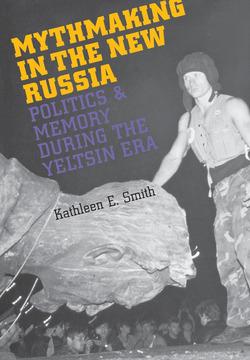
After the collapse of Communist rule in 1991, those loyal to the old regime tried to salvage their political dreams by rejecting some aspects of their history and embracing others. Yeltsin and the democrats, although initially hesitant to rely on the patriotic mythmaking they associated with Communist propaganda, also turned to the national past in times of crisis, realizing they needed not only to create new institutions, but also to encourage popular support for them.
Kathleen E. Smith examines the use of collective memories in Russian politics during the Yeltsin years, surveying the various issues that became battlegrounds for contending notions of what it means to be Russian. Both the new establishment and its opponents have struggled to shape versions of past events into symbolic political capital. What parts of the Communist past, Smith asks, have proved useful for interpreting political options? Which versions of their history have Russians chosen to cling to, and which Soviet memories have they deliberately tried to forget? What symbols do they hold up as truly Russian? Which will help define the attitudes shaping Russian policy for decades to come?
Smith illustrates the potency of memory debates across a broad range of fields—law, politics, art, and architecture. Her case studies include the changing interpretations of the attempted coups of 1991 and 1993, the recasting of the holiday calendar, the controversy over the national anthem, the status of "trophy art" brought to Russia at the end of World War II, and the partisan use of historical symbols in elections.
Before Memmo my notes were scattered across PDFs. Now a workspace pulls everything into one place — I see exactly what's still left to study.
Memmo's summaries are gold before exams. I don't have to re-read 800 pages two weeks before — just the important parts.
The AI chat has saved me the night before an exam more than once. I just keep asking until I get it — no waiting on a study group to reply.
The quizzes hit exactly what I need to know. Memmo tracks what I get stuck on — so I only practice what's worth it.
Flashcards with spaced repetition are magic. Memmo knows when I'm about to forget something and brings it back.
The AI podcasts are my favorite. I listen on my way to school and get a recap without sitting at a computer.

Handbok i kvalitativa metoder
281 kr

Hållbar utveckling: en introduktion för ingenjörer och andra problemlösare
334 kr

Brymans Samhällsvetenskapliga metoder
390 kr

Projektledning
491 kr

Den orättvisa hälsan: om socioekonomiska skillnader i hälsa och livslängd
326 kr

Organizational Leadership
429 kr

Vetenskapsteori för nybörjare
196 kr

På väg mot läraryrket
172 kr

Det sociala livet i skolan: Socialpsykologiska perspektiv
253 kr

Betygsättningens didaktik
151 kr

Personality
402 kr

Studying Leadership
404 kr

Managing Innovation
477 kr

Introduktion till samhällsvetenskaplig metod
347 kr

The Psychology of Sex and Gender
698 kr

Evidens och kunskap för socialt arbete
207 kr

Introduction to Leadership
605 kr