
Before Memmo my notes were scattered across PDFs. Now a workspace pulls everything into one place — I see exactly what's still left to study.
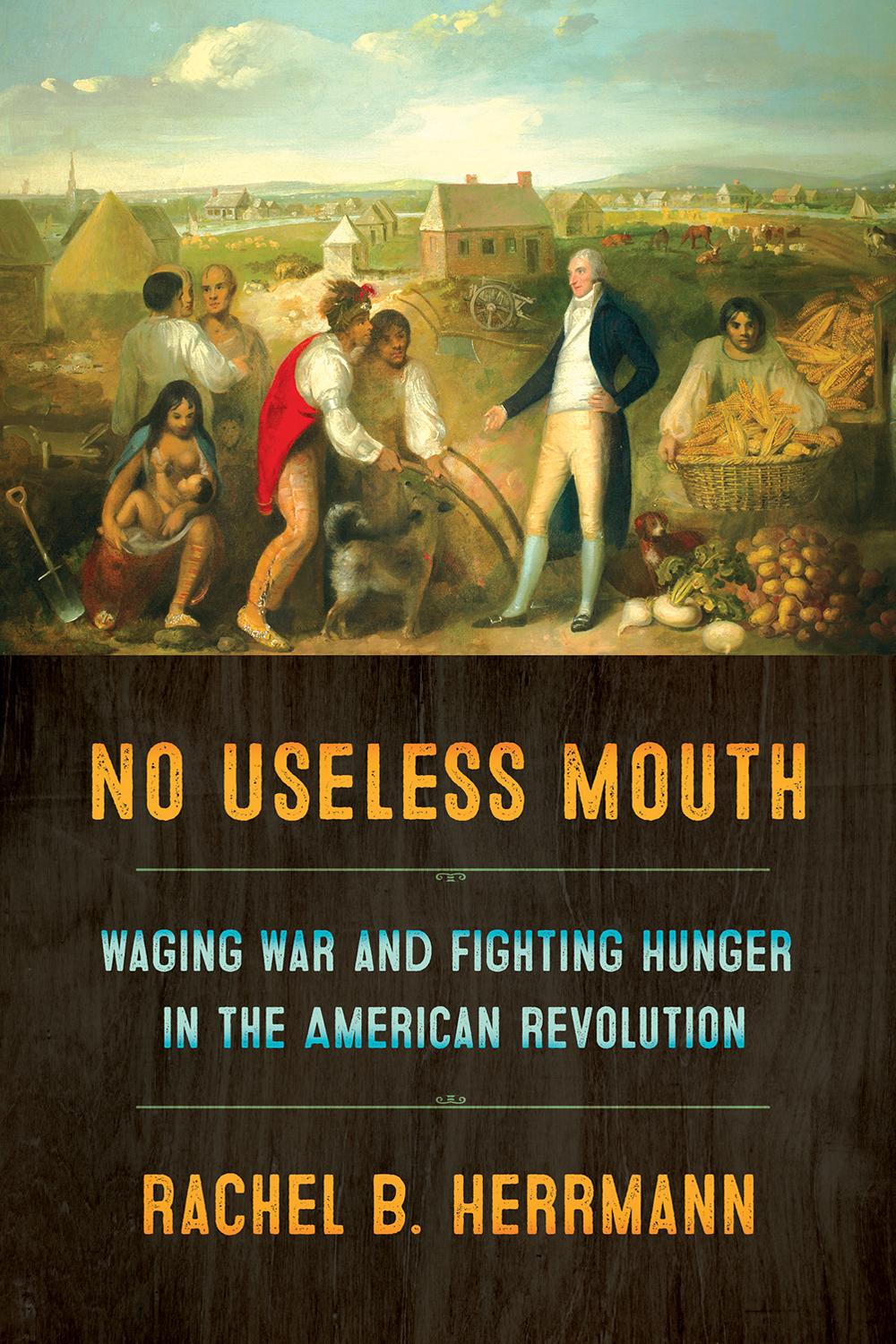
"Rachel B. Herrmann's No Useless Mouth is truly a breath of fresh air in the way it aligns food and hunger as the focal point of a new lens to reexamine the American Revolution. Her careful scrutiny, inclusive approach, and broad synthesis, all based on extensive archival research, produced a monograph simultaneously rich, audacious, insightful, lively, and provocative."--The Journal of American History
In the era of the American Revolution, the rituals of diplomacy between the British, Patriots, and Native Americans featured gifts of food, ceremonial feasts, and a shared experience of hunger. When diplomacy failed, Native Americans could destroy food stores and cut off supply chains in order to assert authority. Black colonists also stole and destroyed food to ward off hunger and carve out tenuous spaces of freedom. Hunger was a means of power and a weapon of war.
In No Useless Mouth, Rachel B. Herrmann argues that Native Americans and formerly enslaved black colonists ultimately lost the battle against hunger and the larger struggle for power because white British and United States officials curtailed the abilities of men and women to fight hunger on their own terms. By describing three interrelated behaviors—food diplomacy, victual imperialism, and victual warfare—the book shows that, during this tumultuous period, hunger prevention efforts offered strategies to claim power, maintain communities, and keep rival societies at bay.
Herrmann shows how Native Americans, free blacks, and enslaved peoples were "useful mouths"—not mere supplicants for food, without rights or power—who used hunger for cooperation and violence, and took steps to circumvent starvation. Her wide-ranging research on black Loyalists, Iroquois, Cherokee, Creek, and Western Confederacy Indians demonstrates that hunger creation and prevention were tools of diplomacy and warfare available to all people involved in the American Revolution. Placing hunger at the center of these struggles foregrounds the contingency and plurality of power in the British Atlantic during the Revolutionary Era.
Thanks to generous funding from Cardiff University, the ebook editions of this book are available as Open Access volumes from Cornell Open (cornellpress.cornell.edu/cornell-open) and other repositories.
Before Memmo my notes were scattered across PDFs. Now a workspace pulls everything into one place — I see exactly what's still left to study.
Memmo's summaries are gold before exams. I don't have to re-read 800 pages two weeks before — just the important parts.
The AI chat has saved me the night before an exam more than once. I just keep asking until I get it — no waiting on a study group to reply.
The quizzes hit exactly what I need to know. Memmo tracks what I get stuck on — so I only practice what's worth it.
Flashcards with spaced repetition are magic. Memmo knows when I'm about to forget something and brings it back.
The AI podcasts are my favorite. I listen on my way to school and get a recap without sitting at a computer.

Handbok i kvalitativa metoder
281 kr

Hållbar utveckling: en introduktion för ingenjörer och andra problemlösare
334 kr

Brymans Samhällsvetenskapliga metoder
390 kr

Projektledning
491 kr

Den orättvisa hälsan: om socioekonomiska skillnader i hälsa och livslängd
326 kr

Vetenskapsteori för nybörjare
196 kr

Organizational Leadership
429 kr

På väg mot läraryrket
172 kr

Det sociala livet i skolan: Socialpsykologiska perspektiv
253 kr

Betygsättningens didaktik
151 kr

Personality
402 kr

Studying Leadership
404 kr

Managing Innovation
477 kr

Introduktion till samhällsvetenskaplig metod
347 kr

The Psychology of Sex and Gender
698 kr

Evidens och kunskap för socialt arbete
207 kr

Introduction to Leadership
605 kr