
Before Memmo my notes were scattered across PDFs. Now a workspace pulls everything into one place — I see exactly what's still left to study.
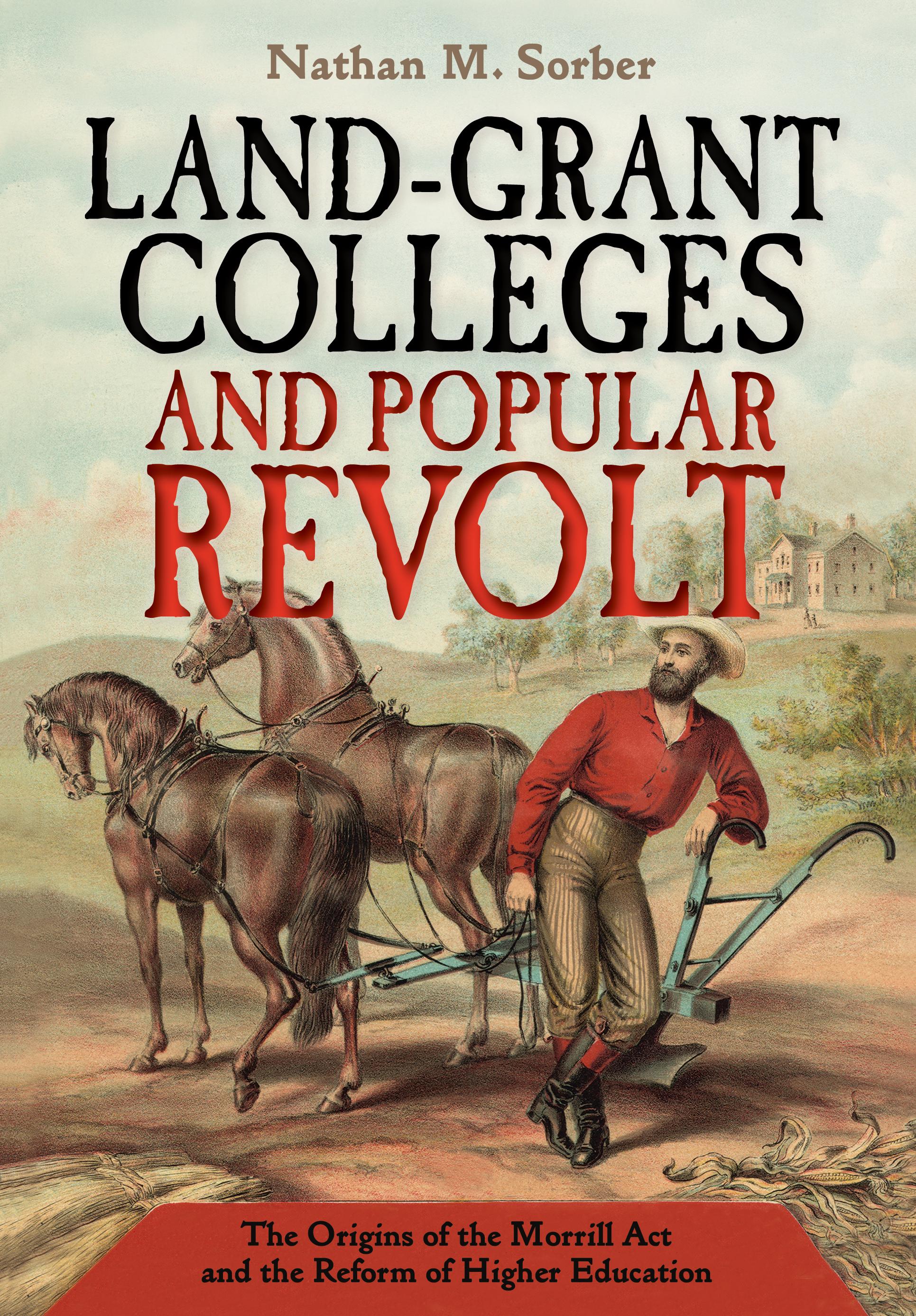
Clearly written and compellingly argued, Nathan Sorber's Land-Grant Colleges and Popular Revolt should be read by every land-grant institution graduate and faculty and staff member, and by all high government officials who deal with public higher education.â• Times Higher Education
Sorber's history of the movement and society of the time provides an original framework for understanding the origins of the land-grant colleges and the nationwide development of these schools into the twentieth century.
The land-grant ideal at the foundation of many institutions of higher learning promotes the sharing of higher education, science, and technical knowledge with local communities. This democratic and utilitarian mission, Nathan M. Sorber shows, has always been subject to heated debate regarding the motivations and goals of land-grant institutions. In Land-Grant Colleges and Popular Revolt, Sorber uncovers the intersection of class interest and economic context, and its influence on the origins, development, and standardization of land-grant colleges.
The first land-grant colleges supported by the Morrill Act of 1862 assumed a role in facilitating the rise of a capitalist, industrial economy and a modern, bureaucratized nation-state. The new land-grant colleges contributed ideas, technologies, and technical specialists that supported emerging industries. During the populist revolts chronicled by Sorber, the land-grant colleges became a battleground for resisting many aspects of this transition to modernity. An awakened agricultural population challenged the movement of people and power from the rural periphery to urban centers and worked to reform land-grant colleges to serve the political and economic needs of rural communities. These populists embraced their vocational, open-access land-grant model as a bulwark against the outmigration of rural youth from the countryside, and as a vehicle for preserving the farm, the farmer, and the local community at the center of American democracy.
Before Memmo my notes were scattered across PDFs. Now a workspace pulls everything into one place — I see exactly what's still left to study.
Memmo's summaries are gold before exams. I don't have to re-read 800 pages two weeks before — just the important parts.
The AI chat has saved me the night before an exam more than once. I just keep asking until I get it — no waiting on a study group to reply.
The quizzes hit exactly what I need to know. Memmo tracks what I get stuck on — so I only practice what's worth it.
Flashcards with spaced repetition are magic. Memmo knows when I'm about to forget something and brings it back.
The AI podcasts are my favorite. I listen on my way to school and get a recap without sitting at a computer.

Handbok i kvalitativa metoder
281 kr

Hållbar utveckling: en introduktion för ingenjörer och andra problemlösare
334 kr

Brymans Samhällsvetenskapliga metoder
390 kr

Projektledning
491 kr

Den orättvisa hälsan: om socioekonomiska skillnader i hälsa och livslängd
326 kr

Vetenskapsteori för nybörjare
196 kr

Organizational Leadership
429 kr

På väg mot läraryrket
172 kr

Det sociala livet i skolan: Socialpsykologiska perspektiv
253 kr

Betygsättningens didaktik
151 kr

Personality
402 kr

Studying Leadership
404 kr

Managing Innovation
477 kr

Introduktion till samhällsvetenskaplig metod
347 kr

The Psychology of Sex and Gender
698 kr

Evidens och kunskap för socialt arbete
207 kr

Introduction to Leadership
605 kr