
Before Memmo my notes were scattered across PDFs. Now a workspace pulls everything into one place — I see exactly what's still left to study.
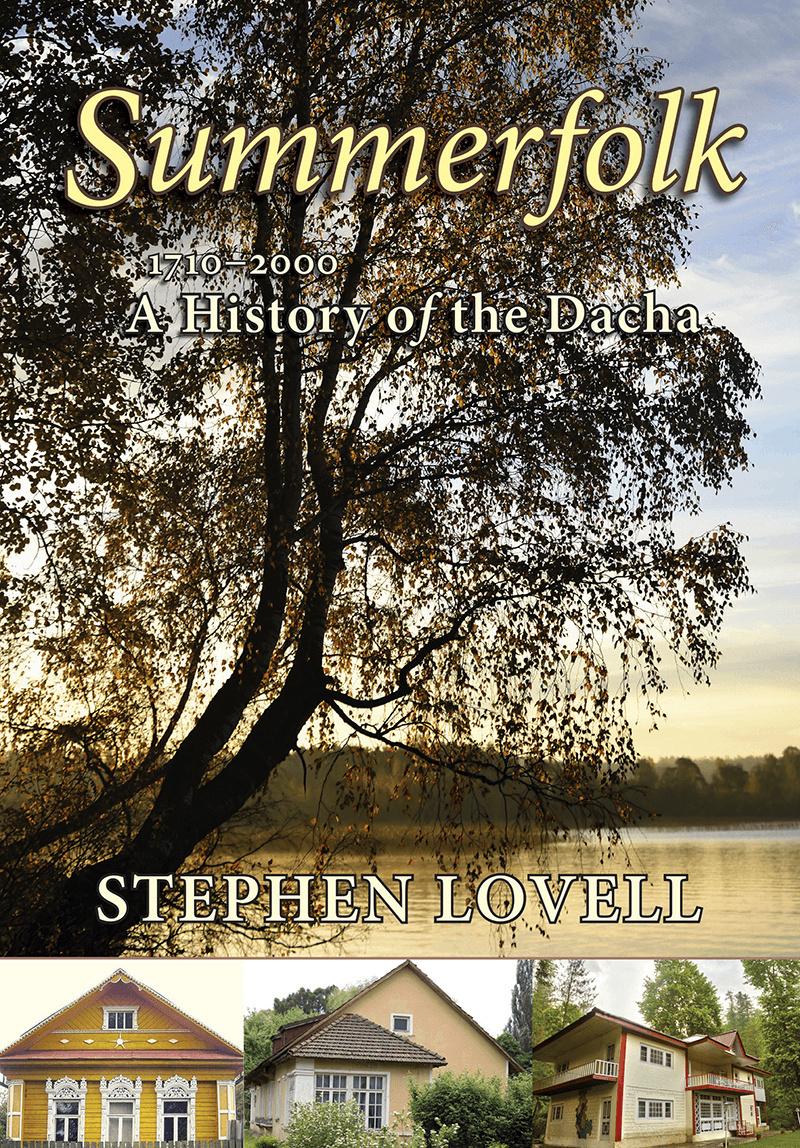
The dacha is a sometimes beloved, sometimes scorned Russian dwelling. Alexander Pushkin summered in one; Joseph Stalin lived in one for the last twenty years of his life; and contemporary Russian families still escape the city to spend time in them. Stephen Lovell's generously illustrated book is the first social and cultural history of the dacha. Lovell traces the dwelling's origins as a villa for the court elite in the early eighteenth century through its nineteenth-century role as the emblem of a middle-class lifestyle, its place under communist rule, and its post-Soviet incarnation.
A fascinating work rich in detail, Summerfolk explores the ways in which Russia's turbulent past has shaped the function of the dacha and attitudes toward it. The book also demonstrates the crucial role that the dacha has played in the development of Russia's two most important cities, Moscow and St. Petersburg, by providing residents with a refuge from the squalid and crowded metropolis. Like the suburbs in other nations, the dacha form of settlement served to alleviate social anxieties about urban growth.
Lovell shows that the dacha is defined less by its physical location"usually one or two hours" distance from a large city yet apart from the rural hinterland—than by the routines, values, and ideologies of its inhabitants. Drawing on sources as diverse as architectural pattern books, memoirs, paintings, fiction, and newspapers, he examines how dachniki ("summerfolk") have freed themselves from the workplace, cultivated domestic space, and created informal yet intense intellectual communities. He also reflects on the disdain that many Russians have felt toward the dacha, and their association of its lifestyle with physical idleness, private property, and unproductive use of the land.
Russian attitudes toward the dacha are, Lovell asserts, constantly evolving. The word "dacha" has evoked both delight in and hostility to leisure. It has implied both the rejection of agricultural labor and, more recently, a return to the soil. In Summerfolk, the dacha is a unique vantage point from which to observe the Russian social landscape and Russian life in the private sphere.
Before Memmo my notes were scattered across PDFs. Now a workspace pulls everything into one place — I see exactly what's still left to study.
Memmo's summaries are gold before exams. I don't have to re-read 800 pages two weeks before — just the important parts.
The AI chat has saved me the night before an exam more than once. I just keep asking until I get it — no waiting on a study group to reply.
The quizzes hit exactly what I need to know. Memmo tracks what I get stuck on — so I only practice what's worth it.
Flashcards with spaced repetition are magic. Memmo knows when I'm about to forget something and brings it back.
The AI podcasts are my favorite. I listen on my way to school and get a recap without sitting at a computer.

Handbok i kvalitativa metoder
281 kr

Hållbar utveckling: en introduktion för ingenjörer och andra problemlösare
334 kr

Brymans Samhällsvetenskapliga metoder
390 kr

Projektledning
491 kr

Den orättvisa hälsan: om socioekonomiska skillnader i hälsa och livslängd
326 kr

Organizational Leadership
429 kr

Vetenskapsteori för nybörjare
196 kr

På väg mot läraryrket
172 kr

Det sociala livet i skolan: Socialpsykologiska perspektiv
253 kr

Betygsättningens didaktik
151 kr

Personality
402 kr

Studying Leadership
404 kr

Managing Innovation
477 kr

Introduktion till samhällsvetenskaplig metod
347 kr

The Psychology of Sex and Gender
698 kr

Evidens och kunskap för socialt arbete
207 kr

Introduction to Leadership
605 kr