
Before Memmo my notes were scattered across PDFs. Now a workspace pulls everything into one place — I see exactly what's still left to study.
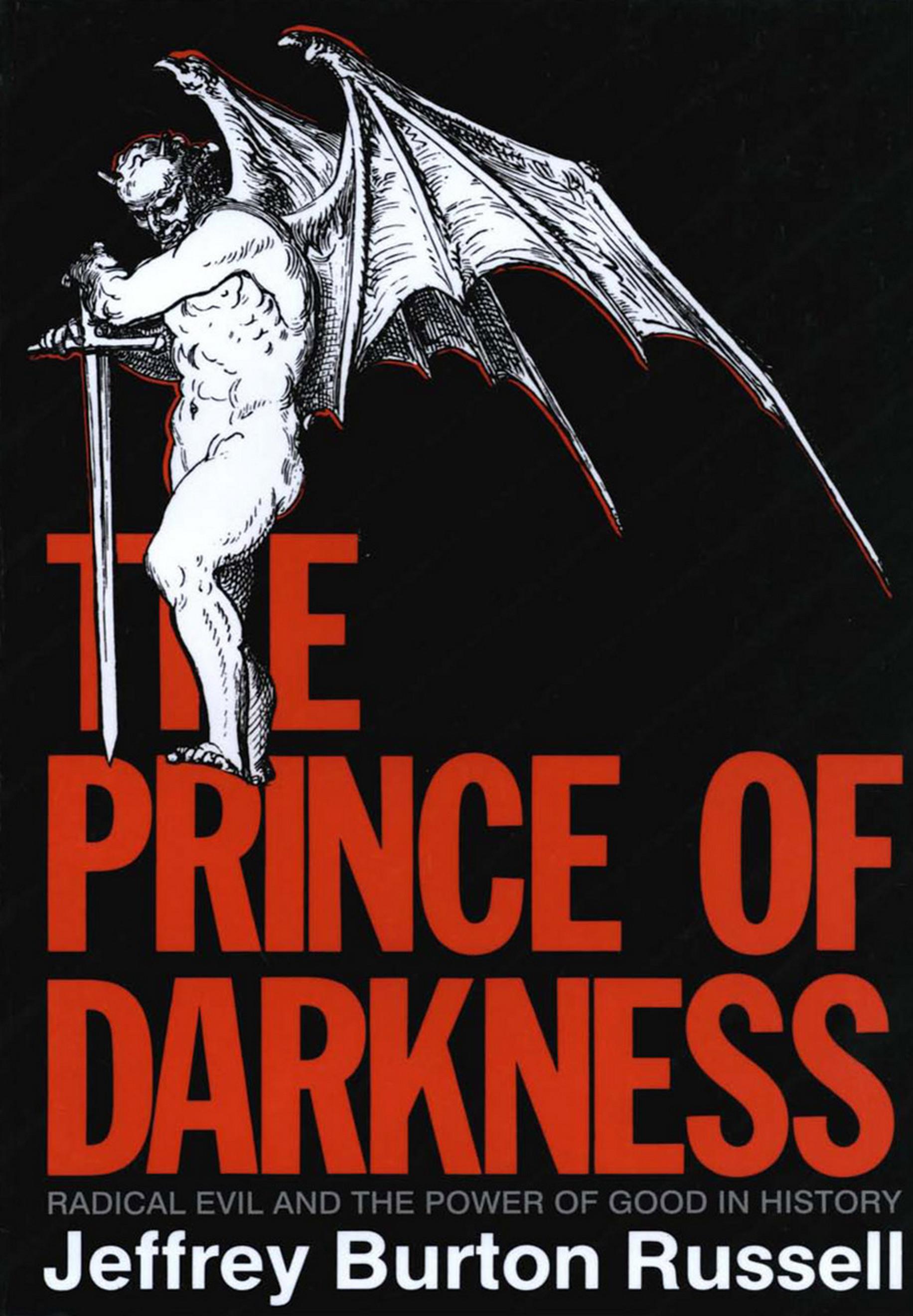
The Devil, Satan, Lucifer, Mephistopheles - throughout history the Prince of Darkness, the Western world's most powerful symbol of evil, has taken many names and shapes. Jeffrey Burton Russell here chronicles the remarkable story of the Devil from antiquity to the present. While recounting how past generations have personified evil, he deepens our understanding of the ways in which people have dealt with the enduring problem of radical evil.After a compelling essay on the nature of evil, Russell uncovers the origins of the concept of the Devil in various early cultures and then traces its evolution in Western thought from the time of the ancient Hebrews through the first centuries of the Christian era. Next he turns to the medieval view of the Devil, focusing on images found in folklore, scholastic thought, art, literature, mysticism, and witchcraft. Finally, he follows the Devil into our own era, where he draws on examples from theology, philosophy, art, literature, and popular culture to describe the great changes in this traditional notion of evil brought about by the intellectual and cultural developments of modern times.Is the Devil an outmoded superstition, as most educated people today believe? Or do the horrors of the twentieth century and the specter of nuclear war make all too clear the continuing need for some vital symbol of radical evil? A single-volume distillation of Russell's epic tetralogy on the nature and personifcation of evil from ancient times to the present (published by Cornell University Press between 1977 and 1986), The Prince of Darkness invites readers to confront these and other critical questions as they explore the past faces of that figure who has been called the second most famous personage in Christianity.
Before Memmo my notes were scattered across PDFs. Now a workspace pulls everything into one place — I see exactly what's still left to study.
Memmo's summaries are gold before exams. I don't have to re-read 800 pages two weeks before — just the important parts.
The AI chat has saved me the night before an exam more than once. I just keep asking until I get it — no waiting on a study group to reply.
The quizzes hit exactly what I need to know. Memmo tracks what I get stuck on — so I only practice what's worth it.
Flashcards with spaced repetition are magic. Memmo knows when I'm about to forget something and brings it back.
The AI podcasts are my favorite. I listen on my way to school and get a recap without sitting at a computer.

Handbok i kvalitativa metoder
281 kr

Hållbar utveckling: en introduktion för ingenjörer och andra problemlösare
334 kr

Brymans Samhällsvetenskapliga metoder
390 kr

Projektledning
491 kr

Den orättvisa hälsan: om socioekonomiska skillnader i hälsa och livslängd
326 kr

Vetenskapsteori för nybörjare
196 kr

Organizational Leadership
429 kr

På väg mot läraryrket
172 kr

Det sociala livet i skolan: Socialpsykologiska perspektiv
253 kr

Betygsättningens didaktik
151 kr

Personality
402 kr

Studying Leadership
404 kr

Managing Innovation
477 kr

Introduktion till samhällsvetenskaplig metod
347 kr

The Psychology of Sex and Gender
698 kr

Evidens och kunskap för socialt arbete
207 kr

Introduction to Leadership
605 kr