
Before Memmo my notes were scattered across PDFs. Now a workspace pulls everything into one place — I see exactly what's still left to study.
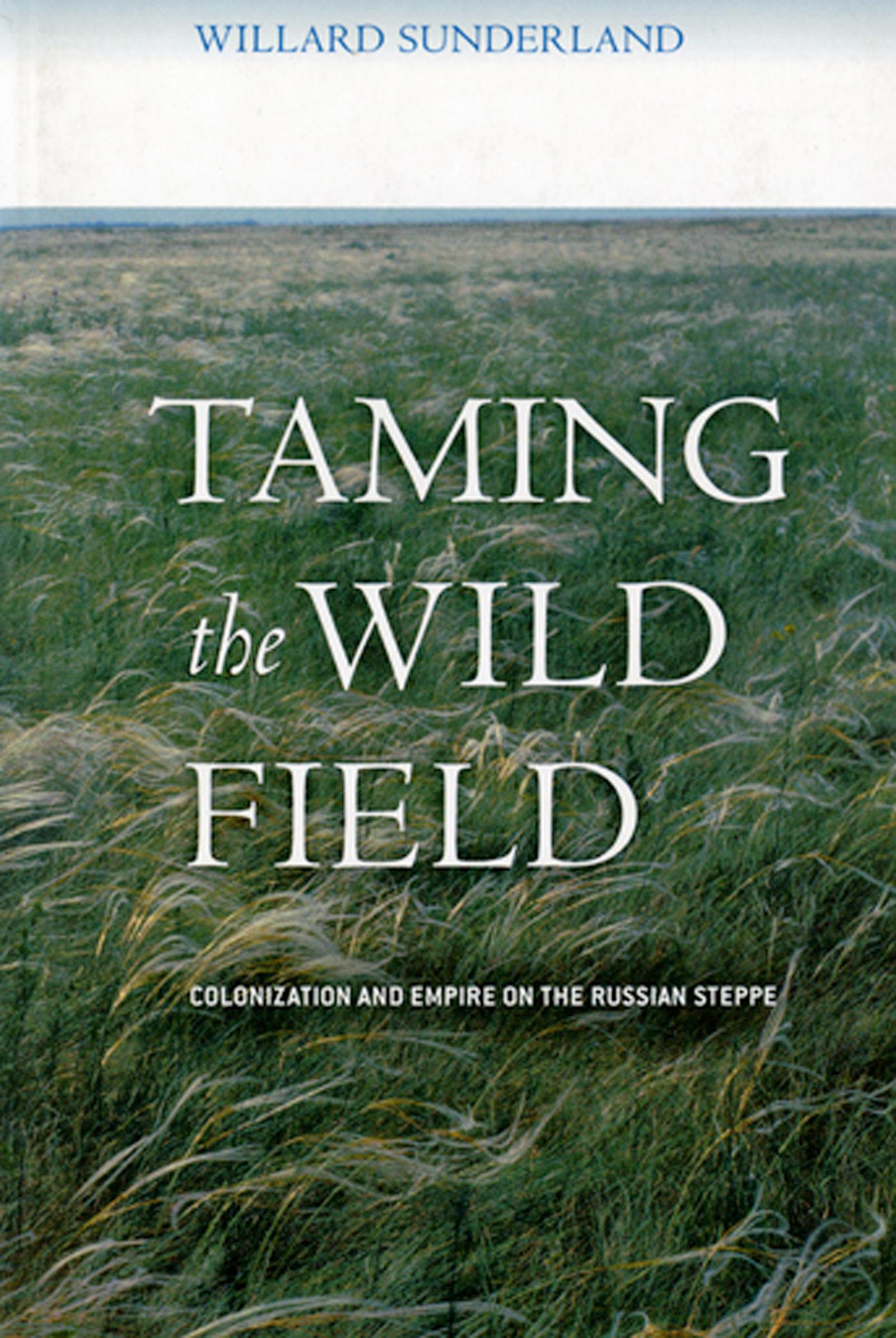
Stretching from the tributaries of the Danube to the Urals and from the Russian forests to the Black and Caspian seas, the vast European steppe has for centuries played very different roles in the Russian imagination. To the Grand Princes of Kiev and Muscovy, it was the "wild field," a region inhabited by nomadic Turko-Mongolic peoples who repeatedly threatened the fragile Slavic settlements to the north. For the emperors and empresses of imperial Russia, it was a land of boundless economic promise and a marker of national cultural prowess. By the mid-nineteenth century the steppe, once so alien and threatening, had emerged as an essential, if complicated, symbol of Russia itself.
Traversing a thousand years of the region's history, Willard Sunderland recounts the complex process of Russian expansion and colonization, stressing the way outsider settlement at once created the steppe as a region of empire and was itself constantly changing. The story is populated by a colorful array of administrators, Cossack adventurers, Orthodox missionaries, geographers, foreign entrepreneurs, peasants, and (by the late nineteenth century) tourists and conservationists. Sunderland's approach to history is comparative throughout, and his comparisons of the steppe with the North American case are especially telling. Taming the Wild Field eloquently expresses concern with the fate of the world's great grasslands, and the book ends at the beginning of the twentieth century with the initiation of a conservation movement in Russia by those appalled at the high environmental cost of expansion.
Before Memmo my notes were scattered across PDFs. Now a workspace pulls everything into one place — I see exactly what's still left to study.
Memmo's summaries are gold before exams. I don't have to re-read 800 pages two weeks before — just the important parts.
The AI chat has saved me the night before an exam more than once. I just keep asking until I get it — no waiting on a study group to reply.
The quizzes hit exactly what I need to know. Memmo tracks what I get stuck on — so I only practice what's worth it.
Flashcards with spaced repetition are magic. Memmo knows when I'm about to forget something and brings it back.
The AI podcasts are my favorite. I listen on my way to school and get a recap without sitting at a computer.

Handbok i kvalitativa metoder
281 kr

Hållbar utveckling: en introduktion för ingenjörer och andra problemlösare
334 kr

Brymans Samhällsvetenskapliga metoder
390 kr

Projektledning
491 kr

Den orättvisa hälsan: om socioekonomiska skillnader i hälsa och livslängd
326 kr

Organizational Leadership
429 kr

Vetenskapsteori för nybörjare
196 kr

På väg mot läraryrket
172 kr

Det sociala livet i skolan: Socialpsykologiska perspektiv
253 kr

Betygsättningens didaktik
151 kr

Personality
402 kr

Studying Leadership
404 kr

Managing Innovation
477 kr

Introduktion till samhällsvetenskaplig metod
347 kr

The Psychology of Sex and Gender
698 kr

Evidens och kunskap för socialt arbete
207 kr

Introduction to Leadership
605 kr