
Before Memmo my notes were scattered across PDFs. Now a workspace pulls everything into one place — I see exactly what's still left to study.
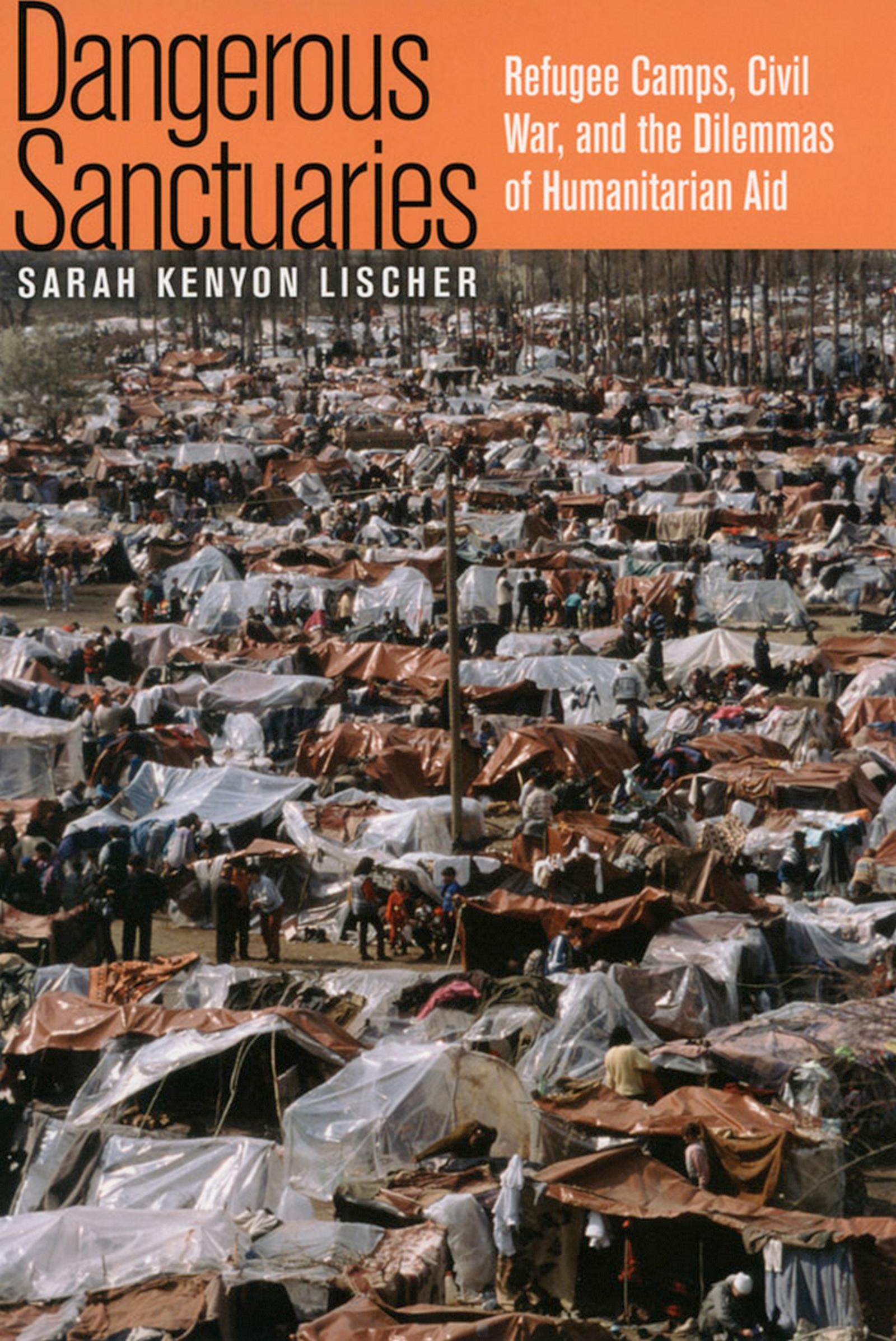
Since the early 1990s, refugee crises in the Balkans, Central Africa, the Middle East, and West Africa have led to the international spread of civil war. In Central Africa alone, more than three million people have died in wars fueled, at least in part, by internationally supported refugee populations. The recurring pattern of violent refugee crises prompts the following questions: Under what conditions do refugee crises lead to the spread of civil war across borders? How can refugee relief organizations respond when militants use humanitarian assistance as a tool of war? What government actions can prevent or reduce conflict?
To understand the role of refugees in the spread of conflict, Sarah Kenyon Lischer systematically compares violent and nonviolent crises involving Afghan, Bosnian, and Rwandan refugees. Lischer argues against the conventional socioeconomic explanations for refugee-related violence—abysmal living conditions, proximity to the homeland, and the presence of large numbers of bored young men. Lischer instead focuses on the often-ignored political context of the refugee crisis. She suggests that three factors are crucial: the level of the refugees' political cohesion before exile, the ability and willingness of the host state to prevent military activity, and the contribution, by aid agencies and outside parties, of resources that exacerbate conflict. Lischer's political explanation leads to policy prescriptions that are sure to be controversial: using private security forces in refugee camps or closing certain camps altogether. With no end in sight to the brutal wars that create refugee crises, Dangerous Sanctuaries is vital reading for anyone concerned with how refugee flows affect the dynamics of conflicts around the world.
Before Memmo my notes were scattered across PDFs. Now a workspace pulls everything into one place — I see exactly what's still left to study.
Memmo's summaries are gold before exams. I don't have to re-read 800 pages two weeks before — just the important parts.
The AI chat has saved me the night before an exam more than once. I just keep asking until I get it — no waiting on a study group to reply.
The quizzes hit exactly what I need to know. Memmo tracks what I get stuck on — so I only practice what's worth it.
Flashcards with spaced repetition are magic. Memmo knows when I'm about to forget something and brings it back.
The AI podcasts are my favorite. I listen on my way to school and get a recap without sitting at a computer.

Handbok i kvalitativa metoder
281 kr

Hållbar utveckling: en introduktion för ingenjörer och andra problemlösare
334 kr

Brymans Samhällsvetenskapliga metoder
390 kr

Projektledning
491 kr

Den orättvisa hälsan: om socioekonomiska skillnader i hälsa och livslängd
326 kr

Vetenskapsteori för nybörjare
196 kr

Organizational Leadership
429 kr

På väg mot läraryrket
172 kr

Det sociala livet i skolan: Socialpsykologiska perspektiv
253 kr

Betygsättningens didaktik
151 kr

Personality
402 kr

Studying Leadership
404 kr

Managing Innovation
477 kr

Introduktion till samhällsvetenskaplig metod
347 kr

The Psychology of Sex and Gender
698 kr

Evidens och kunskap för socialt arbete
207 kr

Introduction to Leadership
605 kr