
Before Memmo my notes were scattered across PDFs. Now a workspace pulls everything into one place — I see exactly what's still left to study.
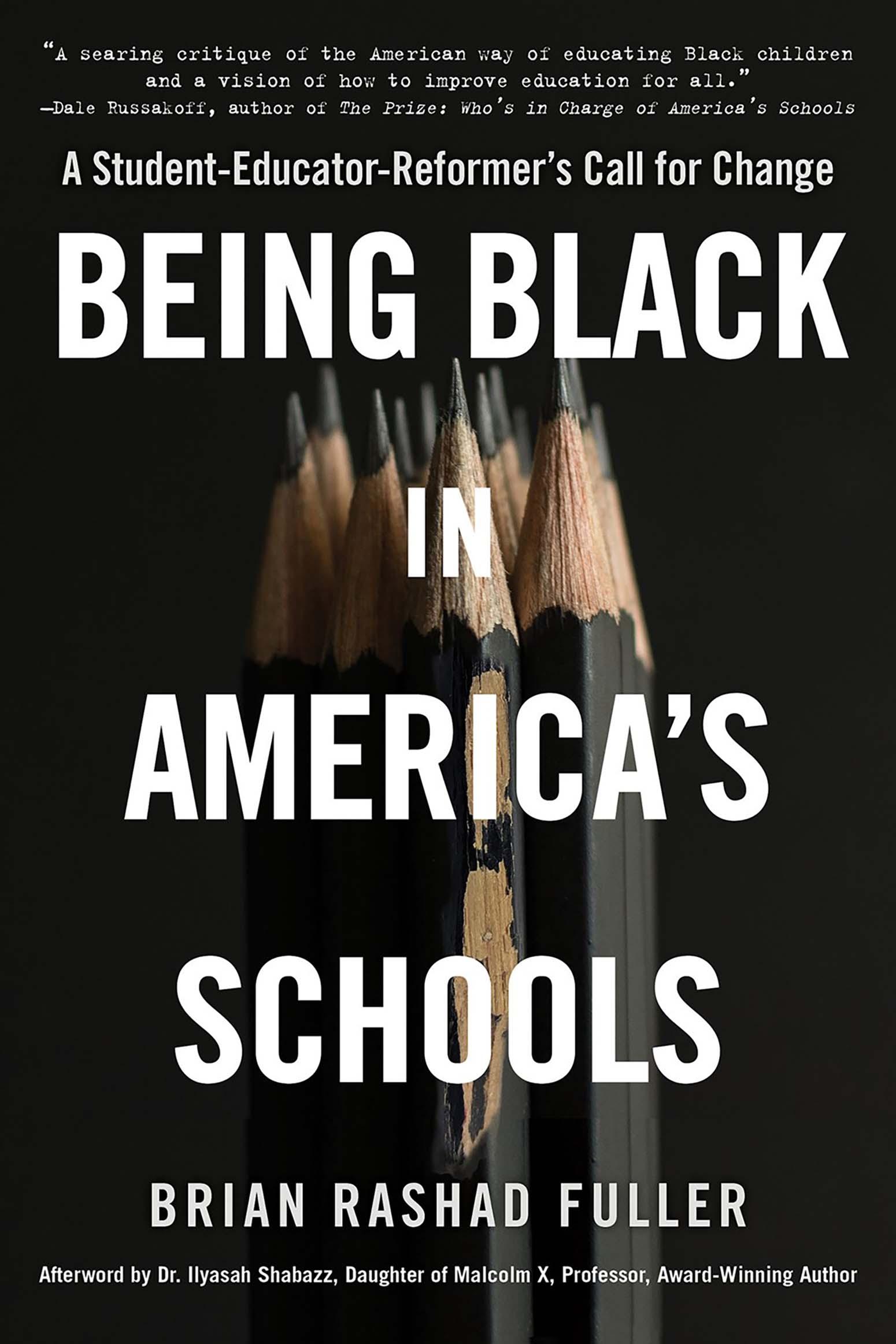
For readers of The Knowledge Gap, Race to the Bottom, and The Inequality Machine, education and equity strategist Brian Rashad Fuller sheds a stark light on America's public schools, the miseducation of students of color, and the action required to make tangible changes and reforms to a failing and racialized educational system.
With a foreword from Harriet Tubman's great-grand nephew, Abdul Tubman.
In a polarizing and racially divided America, what do children of color learn about themselves before they even go to school? How do they see themselves and is that image only exacerbated by spending twelve years in a public education system that perpetuates negative stereotypes? Brian Rashad Fuller personally knows that the impact of low expectations can be devastating, as proved by the “school to prison” pipeline that so many students have experienced. He aims to make a difference in this humanizing and very personal portrayal of what it means to be Black in America’s schools.
As a Black man who has spent his life as a student and an educator, Brian shares his own story of navigating the world, overcoming his family struggles, and eventually entering an educational system that he believes is inherently racist, damaging, and disserving. He exposes the challenges Black students face in elite and predominantly white universities and spaces, dissects “Black exceptionalism” in the schooling experience, and offers a firsthand account of the emotional and psychological impact made by teachers, administrators, policies, practices, lessons, and student interactions. Most Americans are looking for answers on how to improve our education system—as illustrated by the critical race theory debate—but have not fully understood the lived Black experience, until now.
With powerful insight into a thoroughly American institution, Brian offers present-day solutions, and liberating hope, for a centuries-long issue, as well as a galvanizing and radical step forward. It is a book essential to our challenging times.
Before Memmo my notes were scattered across PDFs. Now a workspace pulls everything into one place — I see exactly what's still left to study.
Memmo's summaries are gold before exams. I don't have to re-read 800 pages two weeks before — just the important parts.
The AI chat has saved me the night before an exam more than once. I just keep asking until I get it — no waiting on a study group to reply.
The quizzes hit exactly what I need to know. Memmo tracks what I get stuck on — so I only practice what's worth it.
Flashcards with spaced repetition are magic. Memmo knows when I'm about to forget something and brings it back.
The AI podcasts are my favorite. I listen on my way to school and get a recap without sitting at a computer.

Handbok i kvalitativa metoder
281 kr

Hållbar utveckling: en introduktion för ingenjörer och andra problemlösare
334 kr

Brymans Samhällsvetenskapliga metoder
390 kr

Projektledning
491 kr

Den orättvisa hälsan: om socioekonomiska skillnader i hälsa och livslängd
326 kr

Vetenskapsteori för nybörjare
196 kr

Organizational Leadership
429 kr

På väg mot läraryrket
172 kr

Det sociala livet i skolan: Socialpsykologiska perspektiv
253 kr

Betygsättningens didaktik
151 kr

Personality
402 kr

Studying Leadership
404 kr

Managing Innovation
477 kr

Introduktion till samhällsvetenskaplig metod
347 kr

The Psychology of Sex and Gender
698 kr

Evidens och kunskap för socialt arbete
207 kr

Introduction to Leadership
605 kr