
Before Memmo my notes were scattered across PDFs. Now a workspace pulls everything into one place — I see exactly what's still left to study.
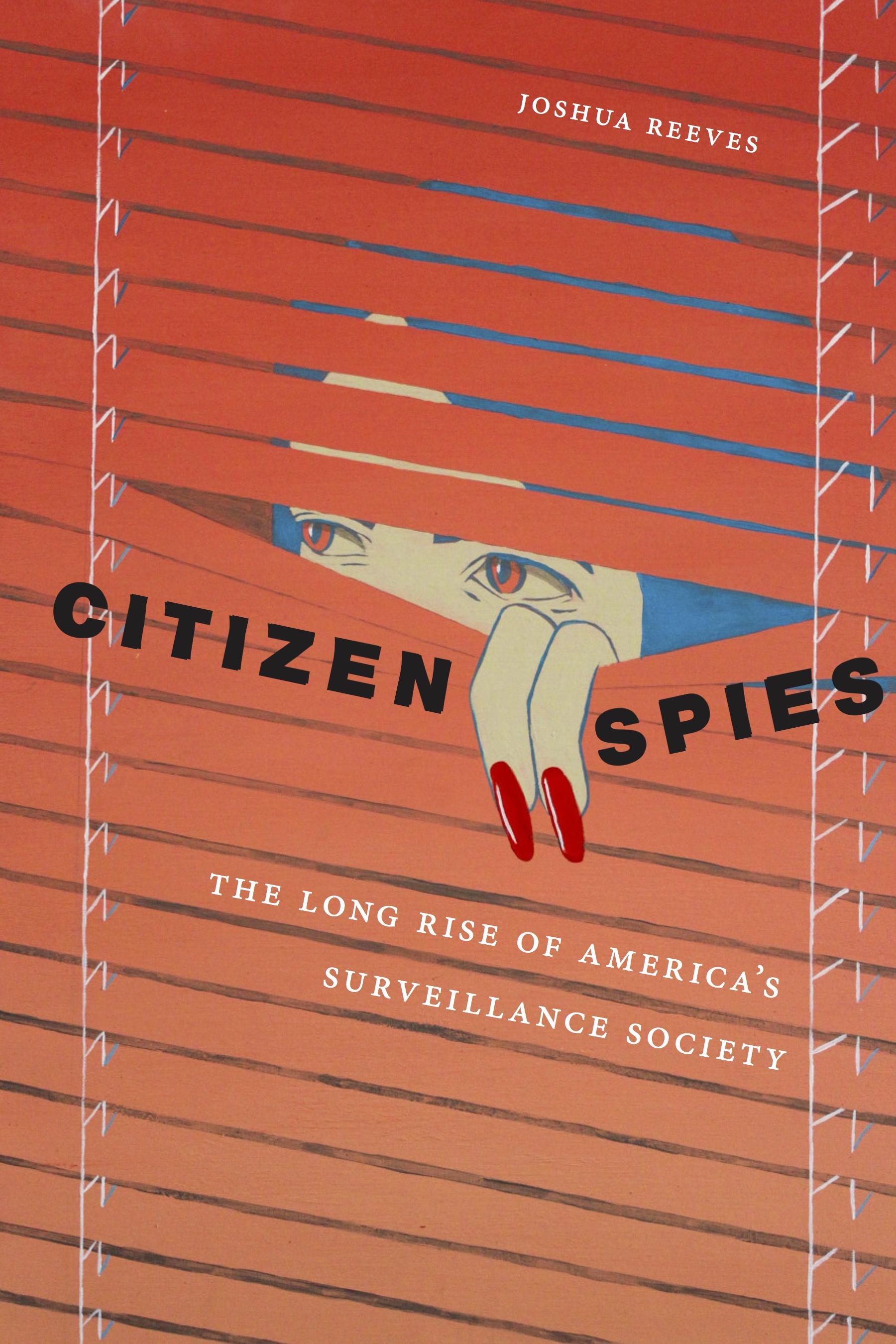
The history of recruiting citizens to spy on each other in the United States.
Ever since the revelations of whistleblower Edward Snowden, we think about surveillance as the data-tracking digital technologies used by the likes of Google, the National Security Administration, and the military. But in reality, the state and allied institutions have a much longer history of using everyday citizens to spy and inform on their peers. Citizen Spies shows how “If You See Something, Say Something” is more than just a new homeland security program; it has been an essential civic responsibility throughout the history of the United States.
From the town crier of Colonial America to the recruitment of youth through “junior police,” to the rise of Neighborhood Watch, AMBER Alerts, and Emergency 9-1-1, Joshua Reeves explores how ordinary citizens have been taught to carry out surveillance on their peers. Emphasizing the role humans play as “seeing” and “saying” subjects, he demonstrates how American society has continuously fostered cultures of vigilance, suspicion, meddling, snooping, and snitching. Tracing the evolution of police crowd-sourcing from “Hue and Cry” posters and America’s Most Wanted to police-affiliated social media, as well as the U.S.’s recurrent anxieties about political dissidents and ethnic minorities from the Red Scare to the War on Terror, Reeves teases outhow vigilance toward neighbors has long been aligned with American ideals of patriotic and moral duty. Taking the long view of the history of the citizen spy, this book offers a much-needed perspective for those interested in how we arrived at our current moment in surveillance culture and contextualizes contemporary trends in policing.
Before Memmo my notes were scattered across PDFs. Now a workspace pulls everything into one place — I see exactly what's still left to study.
Memmo's summaries are gold before exams. I don't have to re-read 800 pages two weeks before — just the important parts.
The AI chat has saved me the night before an exam more than once. I just keep asking until I get it — no waiting on a study group to reply.
The quizzes hit exactly what I need to know. Memmo tracks what I get stuck on — so I only practice what's worth it.
Flashcards with spaced repetition are magic. Memmo knows when I'm about to forget something and brings it back.
The AI podcasts are my favorite. I listen on my way to school and get a recap without sitting at a computer.

Handbok i kvalitativa metoder
281 kr

Hållbar utveckling: en introduktion för ingenjörer och andra problemlösare
334 kr

Brymans Samhällsvetenskapliga metoder
390 kr

Projektledning
491 kr

Den orättvisa hälsan: om socioekonomiska skillnader i hälsa och livslängd
326 kr

Organizational Leadership
429 kr

Vetenskapsteori för nybörjare
196 kr

På väg mot läraryrket
172 kr

Det sociala livet i skolan: Socialpsykologiska perspektiv
253 kr

Betygsättningens didaktik
151 kr

Personality
402 kr

Studying Leadership
404 kr

Managing Innovation
477 kr

Introduktion till samhällsvetenskaplig metod
347 kr

The Psychology of Sex and Gender
698 kr

Evidens och kunskap för socialt arbete
207 kr

Introduction to Leadership
605 kr