
Before Memmo my notes were scattered across PDFs. Now a workspace pulls everything into one place — I see exactly what's still left to study.
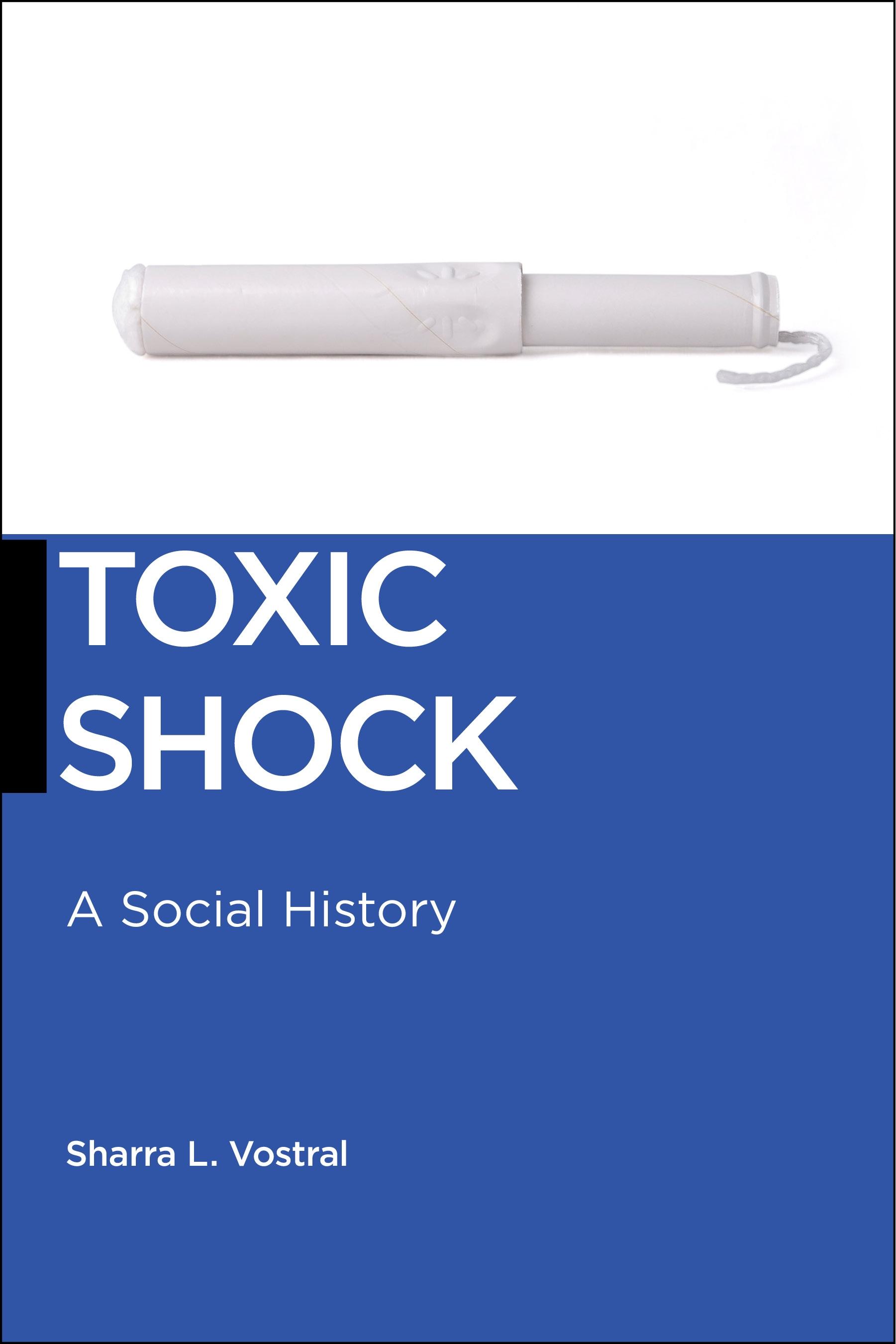
A history of Toxic Shock Syndrome
In 1978, doctors in Denver, Colorado observed several healthy children who suddenly and mysteriously developed a serious, life-threatening illness with no visible source. Their condition, which doctors dubbed ‘toxic shock syndrome’ (TSS) was rare, but observed with increasing frequency over the next few years in young women, and was soon learned to be associated with a bacterium and the use of high-absorbency tampons that had only recently gone on the market. In 1980, the Centers for Disease Control identified Rely tampons, produced by Procter & Gamble, as having the greatest association with TSS over every other tampon, and the company withdrew them from the market. To this day, however, women are frequently warned about contracting TSS through tampon use, even though very few cases are diagnosed each year.
Historian Sharra Vostral’s Toxic Shock is the first and definitive history of TSS. Vostral shows how commercial interests negatively affected women’s health outcomes; the insufficient testing of the first super-absorbency tampon; how TSS became a ‘women’s disease,’ for which women must constantly monitor their own bodies. Further, Vostral discusses the awkward, veiled and vague ways public health officials and the media discussed the risks of contracting TSS through tampon use because of social taboos around discussing menstruation, and how this has hampered regulatory actions and health communication around TSS, tampon use, and product safety.
A study at the intersection of public health and social history, Toxic Shock brings to light the complexities behind a stigmatized and under-discussed issue in women’s reproductive health. Importantly, Vostral warns that as we move forward with more and more joint replacements, implants, and internal medical devices, we must understand the relationship of technology to bacteria and recognize that both can be active agents within the human body. In other words, unexpected consequences and risks of bacteria and technology interacting with each other remain.
Before Memmo my notes were scattered across PDFs. Now a workspace pulls everything into one place — I see exactly what's still left to study.
Memmo's summaries are gold before exams. I don't have to re-read 800 pages two weeks before — just the important parts.
The AI chat has saved me the night before an exam more than once. I just keep asking until I get it — no waiting on a study group to reply.
The quizzes hit exactly what I need to know. Memmo tracks what I get stuck on — so I only practice what's worth it.
Flashcards with spaced repetition are magic. Memmo knows when I'm about to forget something and brings it back.
The AI podcasts are my favorite. I listen on my way to school and get a recap without sitting at a computer.

Handbok i kvalitativa metoder
281 kr

Hållbar utveckling: en introduktion för ingenjörer och andra problemlösare
334 kr

Brymans Samhällsvetenskapliga metoder
390 kr

Projektledning
491 kr

Den orättvisa hälsan: om socioekonomiska skillnader i hälsa och livslängd
326 kr

Vetenskapsteori för nybörjare
196 kr

Organizational Leadership
429 kr

På väg mot läraryrket
172 kr

Det sociala livet i skolan: Socialpsykologiska perspektiv
253 kr

Betygsättningens didaktik
151 kr

Personality
402 kr

Studying Leadership
404 kr

Managing Innovation
477 kr

Introduktion till samhällsvetenskaplig metod
347 kr

The Psychology of Sex and Gender
698 kr

Evidens och kunskap för socialt arbete
207 kr

Introduction to Leadership
605 kr