
Before Memmo my notes were scattered across PDFs. Now a workspace pulls everything into one place — I see exactly what's still left to study.
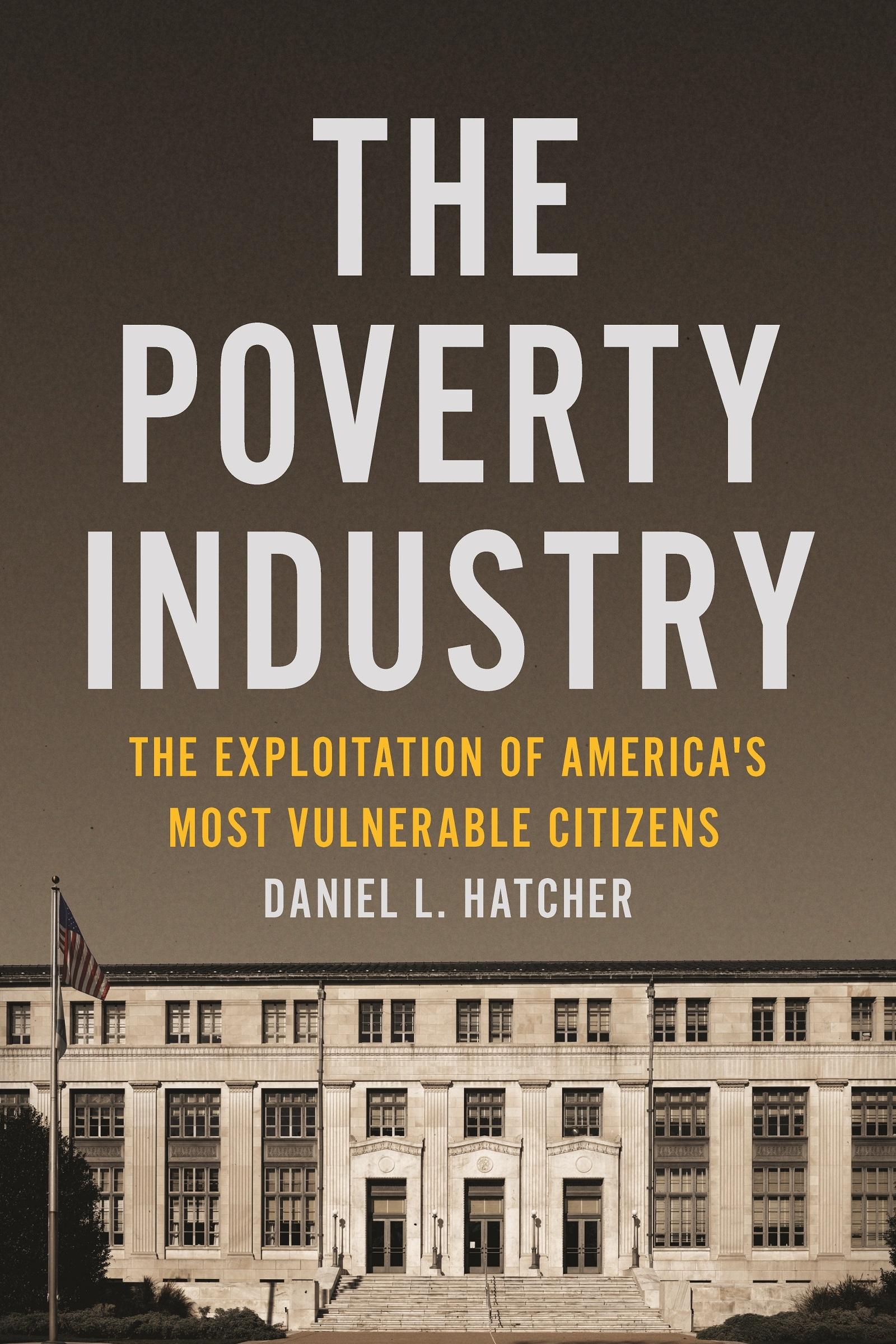
The shocking truth about how state governments and their private industry partners are profiting from the social programs meant to support disadvantaged Americans
Government aid doesn’t always go where it’s supposed to. Foster care agencies team up with companies to take disability and survivor benefits from abused and neglected children. States and their revenue consultants use illusory schemes to siphon Medicaid funds intended for children and the poor into general state coffers. Child support payments for foster children and families on public assistance are converted into government revenue. And the poverty industry keeps expanding, leaving us with nursing homes and juvenile detention centers that sedate residents to reduce costs and maximize profit, local governments buying nursing homes to take the facilities’ federal aid while the elderly languish with poor care, and counties hiring companies to mine the poor for additional funds in modern day debtor’s prisons.
In The Poverty Industry, Daniel L. Hatcher shows us how state governments and their private industry partners are profiting from the social safety net, turning America’s most vulnerable populations into sources of revenue. The poverty industry is stealing billions in federal aid and other funds from impoverished families, abused and neglected children, and the disabled and elderly poor. As policy experts across the political spectrum debate how to best structure government assistance programs, a massive siphoning of the safety net is occurring behind the scenes. In the face of these abuses of power, Hatcher offers a road map for reforms to realign the practices of human service agencies with their intended purpose and to prevent the misuse of public taxpayer dollars.
With more Americans than ever before seeking unemployment benefits, it is essential to remedy the nefarious practices that will impede them from receiving the full government support they are due. The Poverty Industry shows us the path to rectify this systemic inequality to ensure that government aid truly gets to those in need.
Before Memmo my notes were scattered across PDFs. Now a workspace pulls everything into one place — I see exactly what's still left to study.
Memmo's summaries are gold before exams. I don't have to re-read 800 pages two weeks before — just the important parts.
The AI chat has saved me the night before an exam more than once. I just keep asking until I get it — no waiting on a study group to reply.
The quizzes hit exactly what I need to know. Memmo tracks what I get stuck on — so I only practice what's worth it.
Flashcards with spaced repetition are magic. Memmo knows when I'm about to forget something and brings it back.
The AI podcasts are my favorite. I listen on my way to school and get a recap without sitting at a computer.

Handbok i kvalitativa metoder
281 kr

Hållbar utveckling: en introduktion för ingenjörer och andra problemlösare
334 kr

Brymans Samhällsvetenskapliga metoder
390 kr

Projektledning
491 kr

Den orättvisa hälsan: om socioekonomiska skillnader i hälsa och livslängd
326 kr

Organizational Leadership
429 kr

Vetenskapsteori för nybörjare
196 kr

På väg mot läraryrket
172 kr

Det sociala livet i skolan: Socialpsykologiska perspektiv
253 kr

Betygsättningens didaktik
151 kr

Personality
402 kr

Studying Leadership
404 kr

Managing Innovation
477 kr

Introduktion till samhällsvetenskaplig metod
347 kr

The Psychology of Sex and Gender
698 kr

Evidens och kunskap för socialt arbete
207 kr

Introduction to Leadership
605 kr