
Before Memmo my notes were scattered across PDFs. Now a workspace pulls everything into one place — I see exactly what's still left to study.
Analyzes the cultural attitudes, political decisions, and institutions surrounding the maintenance of armed forces throughout American history
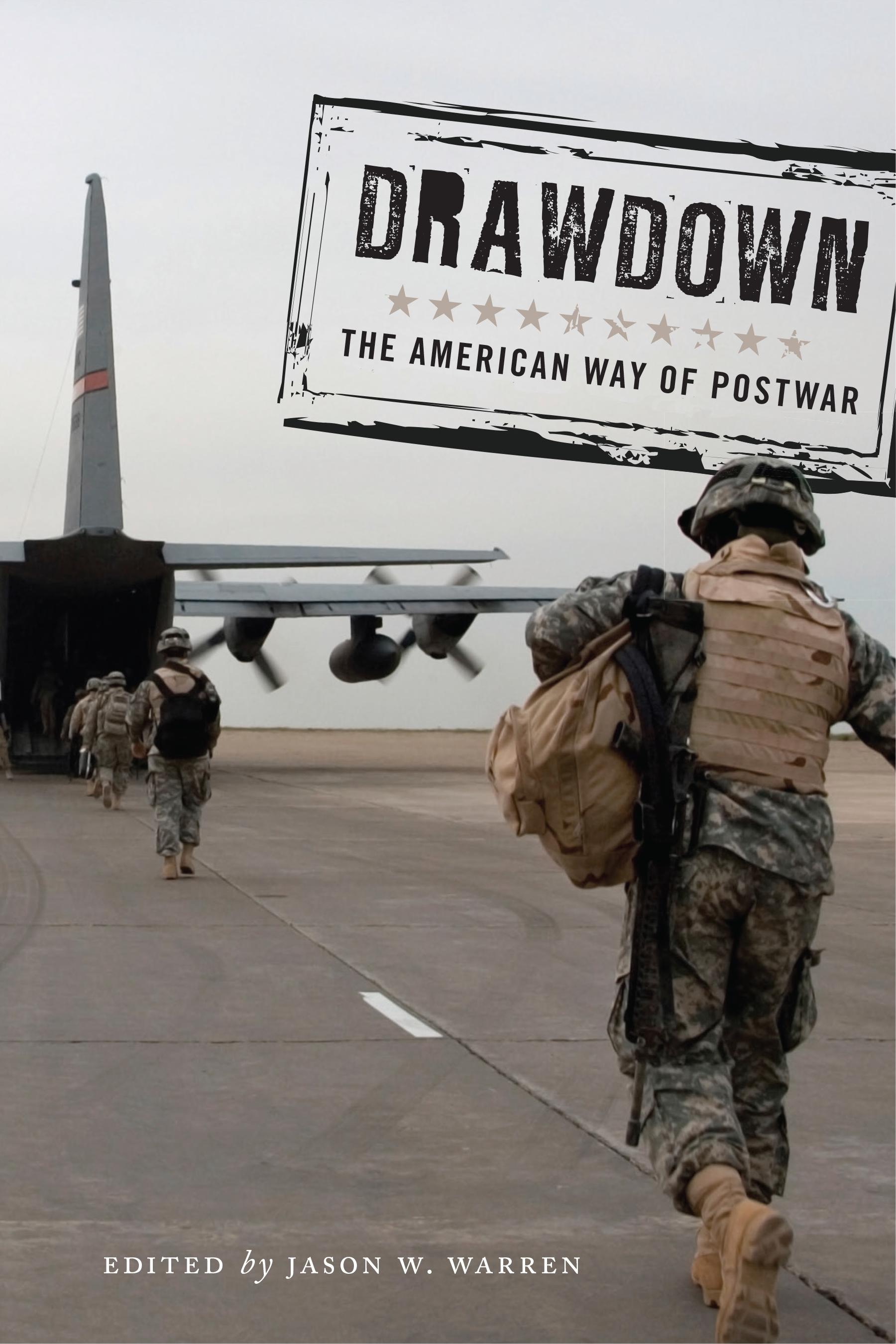
While traditionally, Americans view expensive military structure as a poor investment and a threat to liberty, they also require a guarantee of that very freedom, necessitating the employment of armed forces. Beginning with the seventeenth-century wars of the English colonies, Americans typically increased their military capabilities at the beginning of conflicts only to decrease them at the apparent conclusion of hostilities. In Drawdown: The American Way of Postwar, a stellar team of military historians argue that the United States sometimes managed effective drawdowns, sowing the seeds of future victory that Americans eventually reaped. Yet at other times, the drawing down of military capabilities undermined our readiness and flexibility, leading to more costly wars and perhaps defeat. The political choice to reduce military capabilities is influenced by Anglo-American pecuniary decisions and traditional fears of government oppression, and it has been haphazard at best throughout American history. These two factors form the basic American “liberty dilemma,” the vexed relationship between the nation and its military apparatuses from the founding of the first colonies through to present times.
With the termination of large-scale operations in Iraq and the winnowing of forces in Afghanistan, the United States military once again faces a significant drawdown in standing force structure and capabilities. The political and military debate currently raging around how best to affect this force reduction continues to lack a proper historical perspective. This volume aspires to inform this dialogue. Not a traditional military history, Drawdown analyzes cultural attitudes, political decisions, and institutions surrounding the maintenance of armed forces.
Before Memmo my notes were scattered across PDFs. Now a workspace pulls everything into one place — I see exactly what's still left to study.
Memmo's summaries are gold before exams. I don't have to re-read 800 pages two weeks before — just the important parts.
The AI chat has saved me the night before an exam more than once. I just keep asking until I get it — no waiting on a study group to reply.
The quizzes hit exactly what I need to know. Memmo tracks what I get stuck on — so I only practice what's worth it.
Flashcards with spaced repetition are magic. Memmo knows when I'm about to forget something and brings it back.
The AI podcasts are my favorite. I listen on my way to school and get a recap without sitting at a computer.

Handbok i kvalitativa metoder
281 kr

Hållbar utveckling: en introduktion för ingenjörer och andra problemlösare
334 kr

Brymans Samhällsvetenskapliga metoder
390 kr

Projektledning
491 kr

Den orättvisa hälsan: om socioekonomiska skillnader i hälsa och livslängd
326 kr

Organizational Leadership
429 kr

Vetenskapsteori för nybörjare
196 kr

På väg mot läraryrket
172 kr

Det sociala livet i skolan: Socialpsykologiska perspektiv
253 kr

Betygsättningens didaktik
151 kr

Personality
402 kr

Studying Leadership
404 kr

Managing Innovation
477 kr

Introduktion till samhällsvetenskaplig metod
347 kr

The Psychology of Sex and Gender
698 kr

Evidens och kunskap för socialt arbete
207 kr

Introduction to Leadership
605 kr