
Before Memmo my notes were scattered across PDFs. Now a workspace pulls everything into one place — I see exactly what's still left to study.
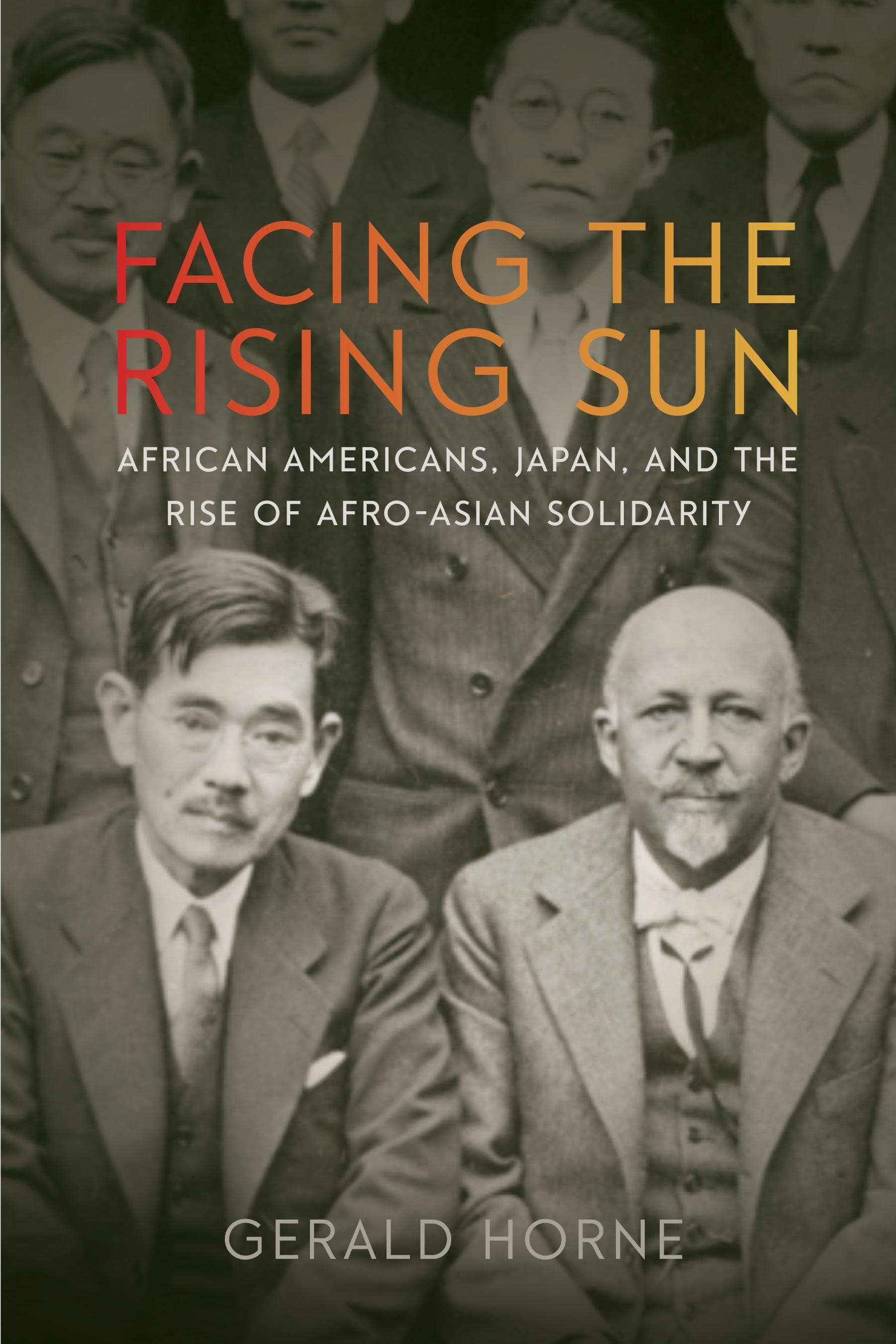
The surprising alliance between Japan and pro-Tokyo African Americans during World War II
In November 1942 in East St. Louis, Illinois a group of African Americans engaged in military drills were eagerly awaiting a Japanese invasion of the U.S.— an invasion that they planned to join. Since the rise of Japan as a superpower less than a century earlier, African Americans across class and ideological lines had saluted the Asian nation, not least because they thought its very existence undermined the pervasive notion of “white supremacy.” The list of supporters included Booker T. Washington, Marcus Garvey, and particularly W.E.B. Du Bois.
Facing the Rising Sun tells the story of the widespread pro-Tokyo sentiment among African Americans during World War II, arguing that the solidarity between the two groups was significantly corrosive to the U.S. war effort. Gerald Horne demonstrates that Black Nationalists of various stripes were the vanguard of this trend—including followers of Garvey and the precursor of the Nation of Islam. Indeed, many of them called themselves “Asiatic”, not African. Following World War II, Japanese-influenced “Afro-Asian” solidarity did not die, but rather foreshadowed Dr. Martin Luther King’s tie to Gandhi’s India and Black Nationalists’ post-1970s fascination with Maoist China and Ho’s Vietnam.
Based upon exhaustive research, including the trial transcripts of the pro-Tokyo African Americans who were tried during the war, congressional archives and records of the Negro press, this book also provides essential background for what many analysts consider the coming “Asian Century.” An insightful glimpse into the Black Nationalists’ struggle for global leverage and new allies, Facing the Rising Sun provides a complex, holistic perspective on a painful period in African American history, and a unique glimpse into the meaning of “the enemy of my enemy is my friend.”
Before Memmo my notes were scattered across PDFs. Now a workspace pulls everything into one place — I see exactly what's still left to study.
Memmo's summaries are gold before exams. I don't have to re-read 800 pages two weeks before — just the important parts.
The AI chat has saved me the night before an exam more than once. I just keep asking until I get it — no waiting on a study group to reply.
The quizzes hit exactly what I need to know. Memmo tracks what I get stuck on — so I only practice what's worth it.
Flashcards with spaced repetition are magic. Memmo knows when I'm about to forget something and brings it back.
The AI podcasts are my favorite. I listen on my way to school and get a recap without sitting at a computer.

Handbok i kvalitativa metoder
281 kr

Hållbar utveckling: en introduktion för ingenjörer och andra problemlösare
334 kr

Brymans Samhällsvetenskapliga metoder
390 kr

Projektledning
491 kr

Den orättvisa hälsan: om socioekonomiska skillnader i hälsa och livslängd
326 kr

Organizational Leadership
429 kr

Vetenskapsteori för nybörjare
196 kr

På väg mot läraryrket
172 kr

Det sociala livet i skolan: Socialpsykologiska perspektiv
253 kr

Betygsättningens didaktik
151 kr

Personality
402 kr

Studying Leadership
404 kr

Managing Innovation
477 kr

Introduktion till samhällsvetenskaplig metod
347 kr

The Psychology of Sex and Gender
698 kr

Evidens och kunskap för socialt arbete
207 kr

Introduction to Leadership
605 kr