
Before Memmo my notes were scattered across PDFs. Now a workspace pulls everything into one place — I see exactly what's still left to study.
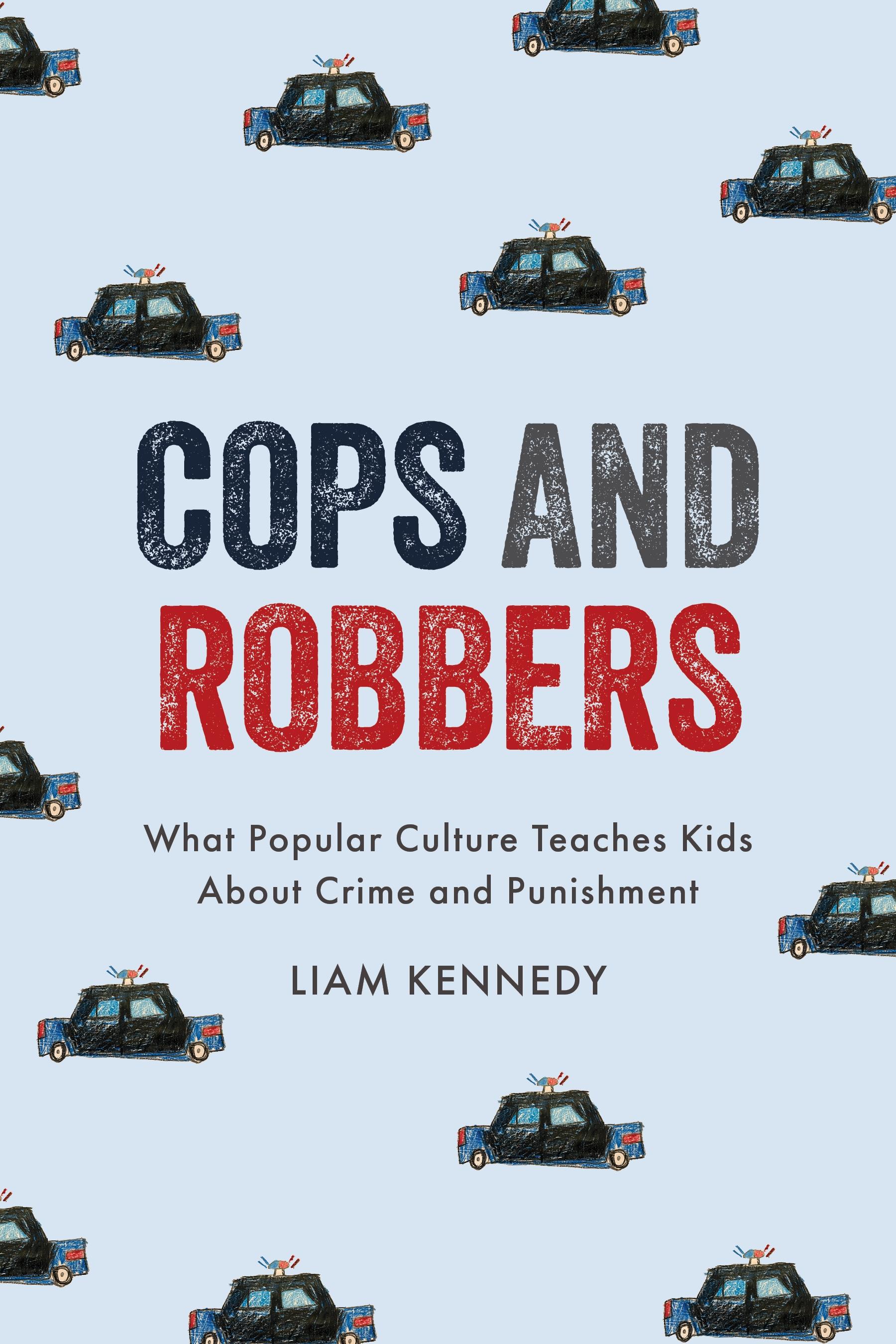
How children’s books, tv shows, cartoons, and films often reproduce stereotypes about “good guys” and “bad guys” in terms of crime, policing, and the role of the criminal justice system in society
In Cops and Robbers, Liam Kennedy examines children's popular culture to provide an understanding of how ideas about crime and the criminal justice system are produced and challenged. Based on an analysis of over 220 books, 12 films, and hundreds of television episodes/short videos geared toward children, Cops and Robbers considers the ideological impacts of children’s crime media messaging about what counts as a crime, the causes of crime, the roles and responsibilities of cops and other crime-fighters, as well as the nature and boundaries of justice.
Kennedy demonstrates how kids’ pop culture works to sustain the status quo and inhibits our ability to imagine alternatives to policing and prisons. He argues that children's crime media teaches them that it is correct to criminalize behaviors designated as threats to the capitalist social order, that the perpetrators of these acts are bad or even evil, unworthy of our sympathy, and usually incapable of change. Further, police and crime-fighters are shown to solve a wide array of community problems, produce peace and happiness, and require endless resources to preserve the social order and quell dissent. Finally, he finds that forced labor and incarceration are routinely framed as inevitable consequences – rather than policy decisions – for bad people who have made supposedly bad choices. Ultimately, Cops and Robbers will encourage social scientists, educators, and parents/guardians to think more critically about how children's crime media shapes ideas about crime, cops, and justice.
Before Memmo my notes were scattered across PDFs. Now a workspace pulls everything into one place — I see exactly what's still left to study.
Memmo's summaries are gold before exams. I don't have to re-read 800 pages two weeks before — just the important parts.
The AI chat has saved me the night before an exam more than once. I just keep asking until I get it — no waiting on a study group to reply.
The quizzes hit exactly what I need to know. Memmo tracks what I get stuck on — so I only practice what's worth it.
Flashcards with spaced repetition are magic. Memmo knows when I'm about to forget something and brings it back.
The AI podcasts are my favorite. I listen on my way to school and get a recap without sitting at a computer.

Handbok i kvalitativa metoder
281 kr

Hållbar utveckling: en introduktion för ingenjörer och andra problemlösare
334 kr

Brymans Samhällsvetenskapliga metoder
390 kr

Projektledning
491 kr

Den orättvisa hälsan: om socioekonomiska skillnader i hälsa och livslängd
326 kr

Organizational Leadership
429 kr

Vetenskapsteori för nybörjare
196 kr

På väg mot läraryrket
172 kr

Det sociala livet i skolan: Socialpsykologiska perspektiv
253 kr

Betygsättningens didaktik
151 kr

Personality
402 kr

Studying Leadership
404 kr

Managing Innovation
477 kr

Introduktion till samhällsvetenskaplig metod
347 kr

The Psychology of Sex and Gender
698 kr

Evidens och kunskap för socialt arbete
207 kr

Introduction to Leadership
605 kr