
Before Memmo my notes were scattered across PDFs. Now a workspace pulls everything into one place — I see exactly what's still left to study.
Offers the provocative argument that Jews had long celebrated Christmas in the "Old World"
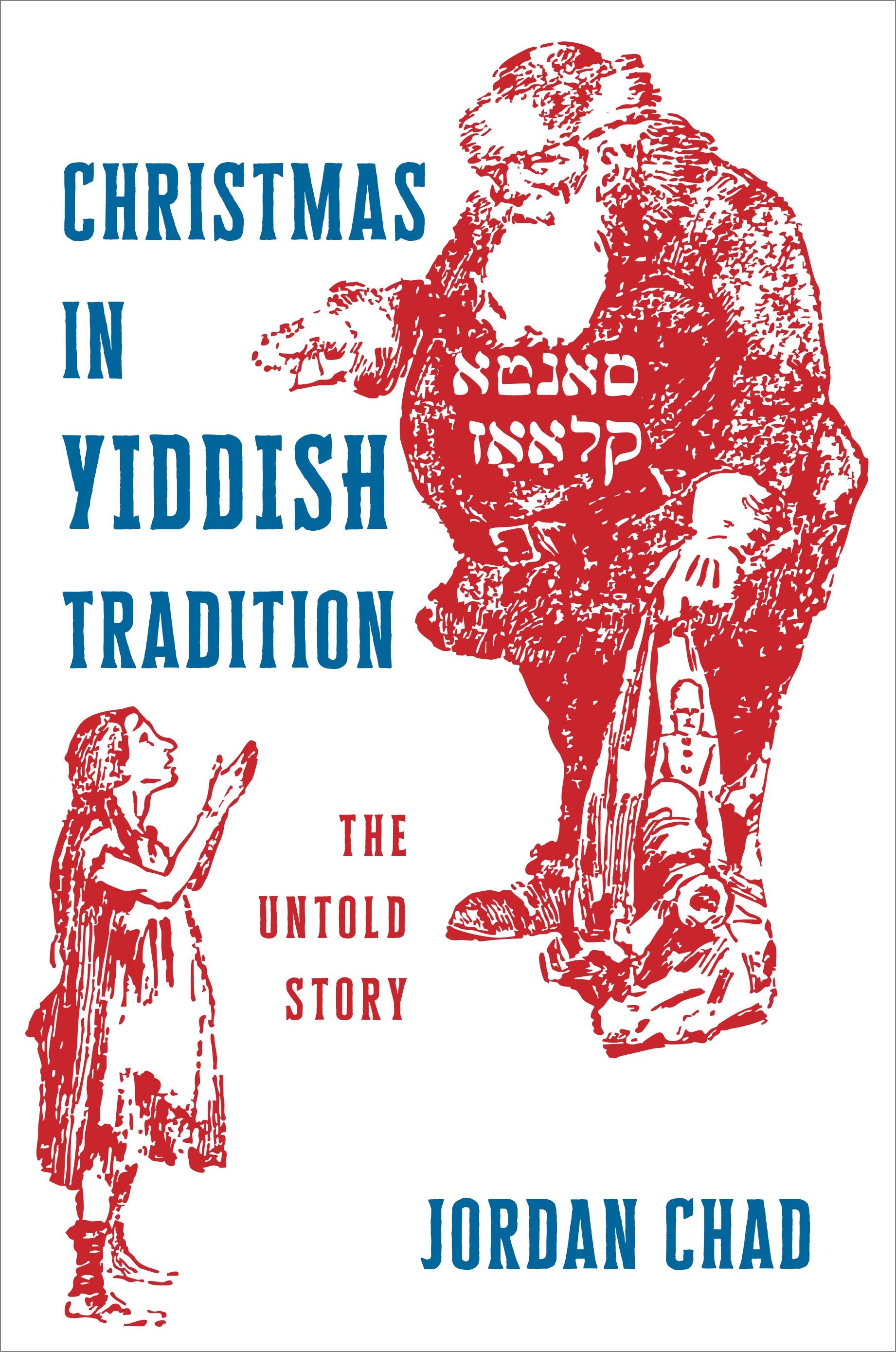
This book seeks to answer a perplexing question: Why were Christmas traditions once transmitted in Yiddish, a language exclusive to non-Christians?
Back in Europe, Yiddish-speaking Jews traditionally let loose on Christmas Eve with feasting, drinking, dancing, and gambling. Scholars have previously assumed this Christmas Eve vacation from Torah study to have been some sort of antagonistic counterculture to Christians celebrating Christmas. But Christmas in Yiddish Tradition reveals that the Christmas traditions transmitted in Yiddish were very similar to those transmitted in other European languages. Drawing on a wealth of documents, Jordan Chad argues that rather than European Jews being antagonistic towards Christmas, their Christmas Eve celebrations were exactly what they looked like: Jews celebrating Christmas.
The volume offers the surprising argument that while Jews never celebrated the birth of Jesus, Christmas did not actually become the strictly Christian holiday that it is today until the period when Jews migrated to the New World. Prior to that time, Jewish midwinter traditions developed as variants of midwinter traditions that were widespread across neighboring European communities. Christmas in Yiddish Tradition recounts how Jews and Christians over the past millennium each awaited supernatural visits from diverse versions of Santa Claus. They only came to fully Christianize their concept of midwinter in modern times, at which point the place of "Christmas" in the Jewish collective memory evolved from the year's jolliest vacation to its most dangerous disturbance.
The volume uncovers the story of how Christmas once flourished in a language exclusive to non-Christians—and how modern Jews and Christians ultimately came to forget about the time when they celebrated Christmas in tandem.
Before Memmo my notes were scattered across PDFs. Now a workspace pulls everything into one place — I see exactly what's still left to study.
Memmo's summaries are gold before exams. I don't have to re-read 800 pages two weeks before — just the important parts.
The AI chat has saved me the night before an exam more than once. I just keep asking until I get it — no waiting on a study group to reply.
The quizzes hit exactly what I need to know. Memmo tracks what I get stuck on — so I only practice what's worth it.
Flashcards with spaced repetition are magic. Memmo knows when I'm about to forget something and brings it back.
The AI podcasts are my favorite. I listen on my way to school and get a recap without sitting at a computer.

Handbok i kvalitativa metoder
281 kr

Hållbar utveckling: en introduktion för ingenjörer och andra problemlösare
334 kr

Brymans Samhällsvetenskapliga metoder
390 kr

Projektledning
491 kr

Den orättvisa hälsan: om socioekonomiska skillnader i hälsa och livslängd
326 kr

Vetenskapsteori för nybörjare
196 kr

Organizational Leadership
429 kr

På väg mot läraryrket
172 kr

Det sociala livet i skolan: Socialpsykologiska perspektiv
253 kr

Betygsättningens didaktik
151 kr

Personality
402 kr

Studying Leadership
404 kr

Managing Innovation
477 kr

Introduktion till samhällsvetenskaplig metod
347 kr

The Psychology of Sex and Gender
698 kr

Evidens och kunskap för socialt arbete
207 kr

Introduction to Leadership
605 kr