
Before Memmo my notes were scattered across PDFs. Now a workspace pulls everything into one place — I see exactly what's still left to study.
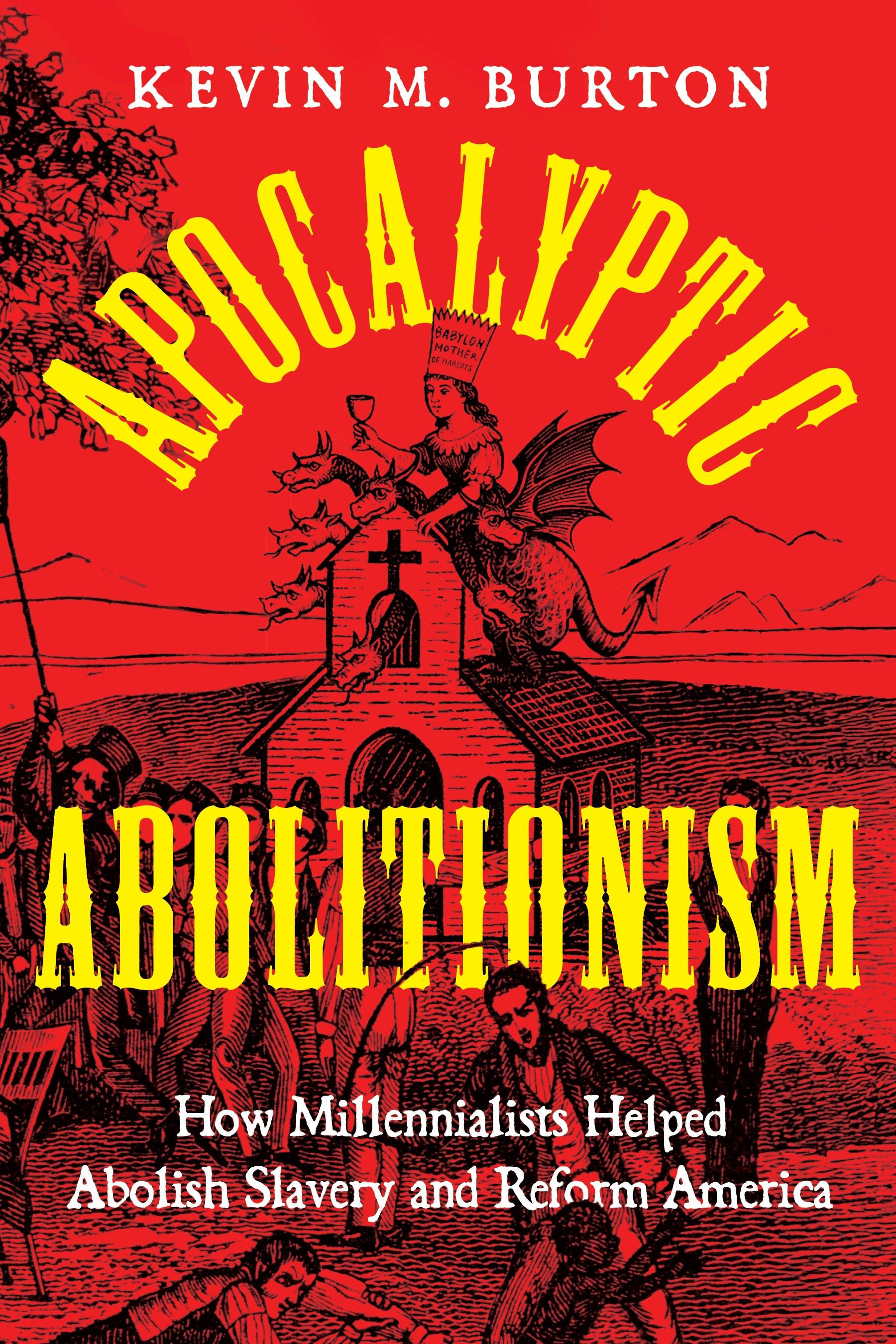
Shows how apocalypticism helped drive anti-slavery abolitionism and inspire progressive social reform in nineteenth-century America
In March 1844, Melissa Botsford of Meriden, Connecticut, defiantly left her local Methodist church because it supported slavery and other “sins” that permeated America. Botsford was among one hundred thousand other abolitionists who abandoned their evangelical churches throughout the decade. These protesters came out with a stern apocalyptic warning: God would soon judge America—and its churches—for the sins of slavery and race prejudice.
It has long been assumed that apocalypticism is antithetical to social reform. Yet in Apocalyptic Abolitionism, Kevin M. Burton uncovers the untold story of how apocalypticism shaped the abolitionist cause and helped destroy slavery in the United States. Contrary to popular opinion, the revival fires of the Second Great Awakening did not drive most evangelicals to progressive social reforms like abolitionism. Neither were the denominational schisms during that period a fight between northern abolitionists and southern slaveholders. Rather, before the Methodist and Baptist denominations split along sectional lines, most abolitionists, particularly members of the Adventist movement, had already left their churches in what was likely the largest mass exodus from mainstream evangelicalism in American history, precisely because most evangelicals opposed radical social reform movements. This volume makes the case that evangelicals receive undeserved credit for antislavery, and that it was apocalyptic abolitionists who led the way.
Drawing from rare and overlooked sources to create a database of biographies of nearly 2000 people to track their religious affiliations and activism over time, Burton offers invaluable data to develop a robust framework for understanding apocalypticism, evangelicalism, and social reform politics of the nineteenth century.
Before Memmo my notes were scattered across PDFs. Now a workspace pulls everything into one place — I see exactly what's still left to study.
Memmo's summaries are gold before exams. I don't have to re-read 800 pages two weeks before — just the important parts.
The AI chat has saved me the night before an exam more than once. I just keep asking until I get it — no waiting on a study group to reply.
The quizzes hit exactly what I need to know. Memmo tracks what I get stuck on — so I only practice what's worth it.
Flashcards with spaced repetition are magic. Memmo knows when I'm about to forget something and brings it back.
The AI podcasts are my favorite. I listen on my way to school and get a recap without sitting at a computer.

Handbok i kvalitativa metoder
281 kr

Hållbar utveckling: en introduktion för ingenjörer och andra problemlösare
334 kr

Brymans Samhällsvetenskapliga metoder
390 kr

Projektledning
491 kr

Den orättvisa hälsan: om socioekonomiska skillnader i hälsa och livslängd
326 kr

Organizational Leadership
429 kr

Vetenskapsteori för nybörjare
196 kr

På väg mot läraryrket
172 kr

Det sociala livet i skolan: Socialpsykologiska perspektiv
253 kr

Betygsättningens didaktik
151 kr

Personality
402 kr

Studying Leadership
404 kr

Managing Innovation
477 kr

Introduktion till samhällsvetenskaplig metod
347 kr

The Psychology of Sex and Gender
698 kr

Evidens och kunskap för socialt arbete
207 kr

Introduction to Leadership
605 kr