
Before Memmo my notes were scattered across PDFs. Now a workspace pulls everything into one place — I see exactly what's still left to study.
An eye-opening history of how white evangelicals came to see America’s past as sacred and themselves as its rightful stewards
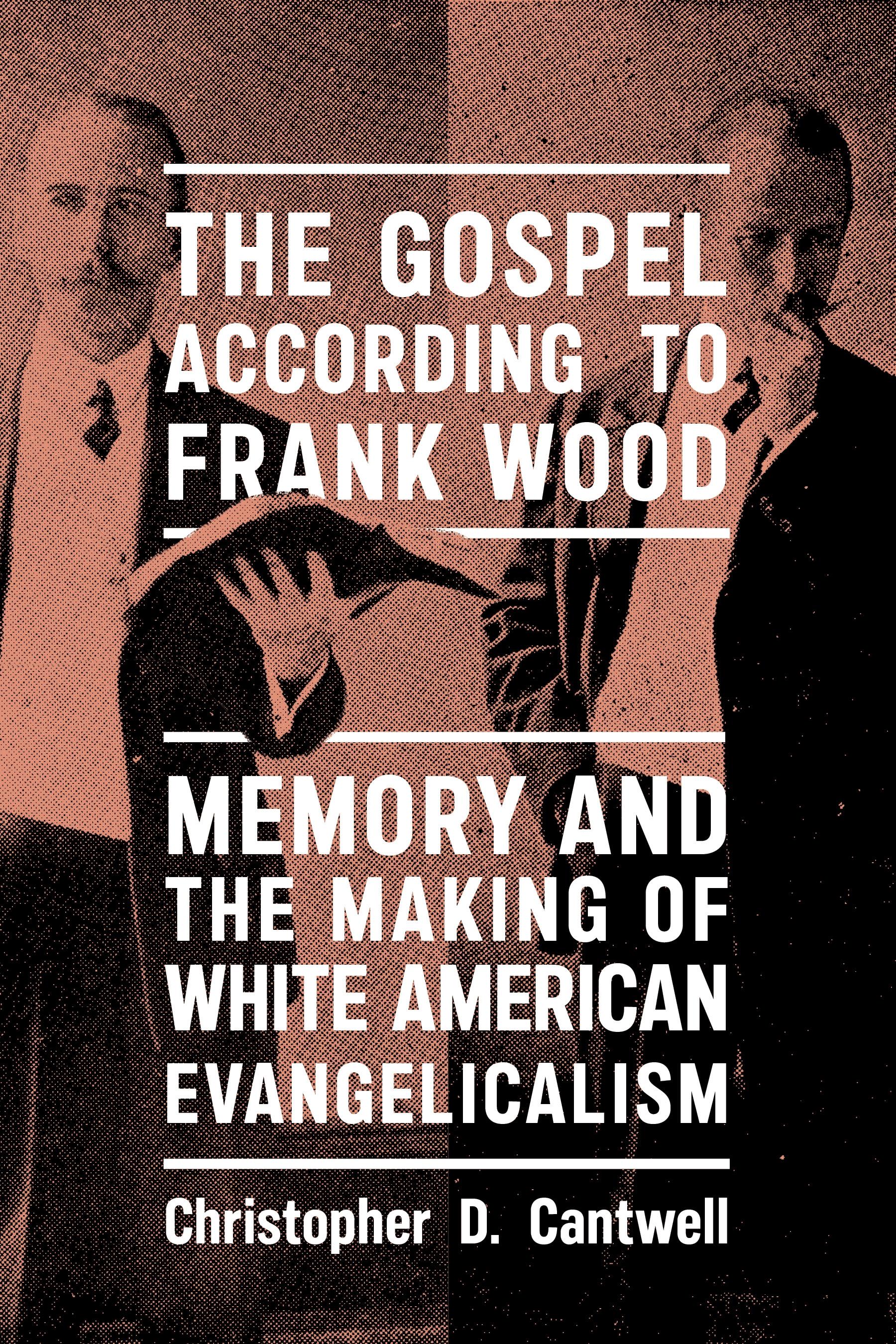
Though unknown to scholars of religion today, Frank Wood (1864-1945) was a prominent Protestant figure in his day. He taught what was said to be the largest Bible class in Chicago and helped found the city’s first neighborhood historical society. In this compelling microhistory, Christopher D. Cantwell draws upon these features of Wood’s life to uncover the historic rise and historical origins of the white evangelical nostalgia that haunts the United States today. In fact, Wood’s religious life and historical interests directly reveal how evangelicalism itself is something of an invented tradition—a religious movement devised by layfolk like Frank Wood to defend their white, Protestant privilege.
Beginning with Wood’s move to Chicago, the book situates the origins of the modern evangelical movement in the mass migration of rural, white Protestants from the country to the city at the turn of the twentieth century. The sense of dislocation that accompanied this move made recreating the rhythms of rural social life a major feature of the Bible classes that Wood and millions of other white Protestants joined. The sense of cultural displacement that came with city living, meanwhile, placed an aggrieved sense of nativism and a commitment to Protestant nationalism at the center this community’s religious faith and political vision. Out of this culturally meaningful, but racially charged sense of nostalgia would emerge what Wood and others like him called “the old-time religion,” a wooden yet pliable phrase that spoke to the religious commitments and the social anxieties of an emerging community that identified itself as “evangelical.” The historical importance that everyday white evangelicals attributed to their religious history became a stand-in for the white, Christian nationalism that animated their social vision.
Through this surprising and compelling social biography, The Gospel According to Frank Wood offers a bottom-up examination of American evangelicalism, grounding the movement’s history in the religious beliefs, cultural memories, and social anxieties of white American Protestants.
Before Memmo my notes were scattered across PDFs. Now a workspace pulls everything into one place — I see exactly what's still left to study.
Memmo's summaries are gold before exams. I don't have to re-read 800 pages two weeks before — just the important parts.
The AI chat has saved me the night before an exam more than once. I just keep asking until I get it — no waiting on a study group to reply.
The quizzes hit exactly what I need to know. Memmo tracks what I get stuck on — so I only practice what's worth it.
Flashcards with spaced repetition are magic. Memmo knows when I'm about to forget something and brings it back.
The AI podcasts are my favorite. I listen on my way to school and get a recap without sitting at a computer.

Handbok i kvalitativa metoder
281 kr

Hållbar utveckling: en introduktion för ingenjörer och andra problemlösare
334 kr

Brymans Samhällsvetenskapliga metoder
390 kr

Projektledning
491 kr

Den orättvisa hälsan: om socioekonomiska skillnader i hälsa och livslängd
326 kr

Vetenskapsteori för nybörjare
196 kr

Organizational Leadership
429 kr

På väg mot läraryrket
172 kr

Det sociala livet i skolan: Socialpsykologiska perspektiv
253 kr

Betygsättningens didaktik
151 kr

Personality
402 kr

Studying Leadership
404 kr

Managing Innovation
477 kr

Introduktion till samhällsvetenskaplig metod
347 kr

The Psychology of Sex and Gender
698 kr

Evidens och kunskap för socialt arbete
207 kr

Introduction to Leadership
605 kr