
Before Memmo my notes were scattered across PDFs. Now a workspace pulls everything into one place — I see exactly what's still left to study.
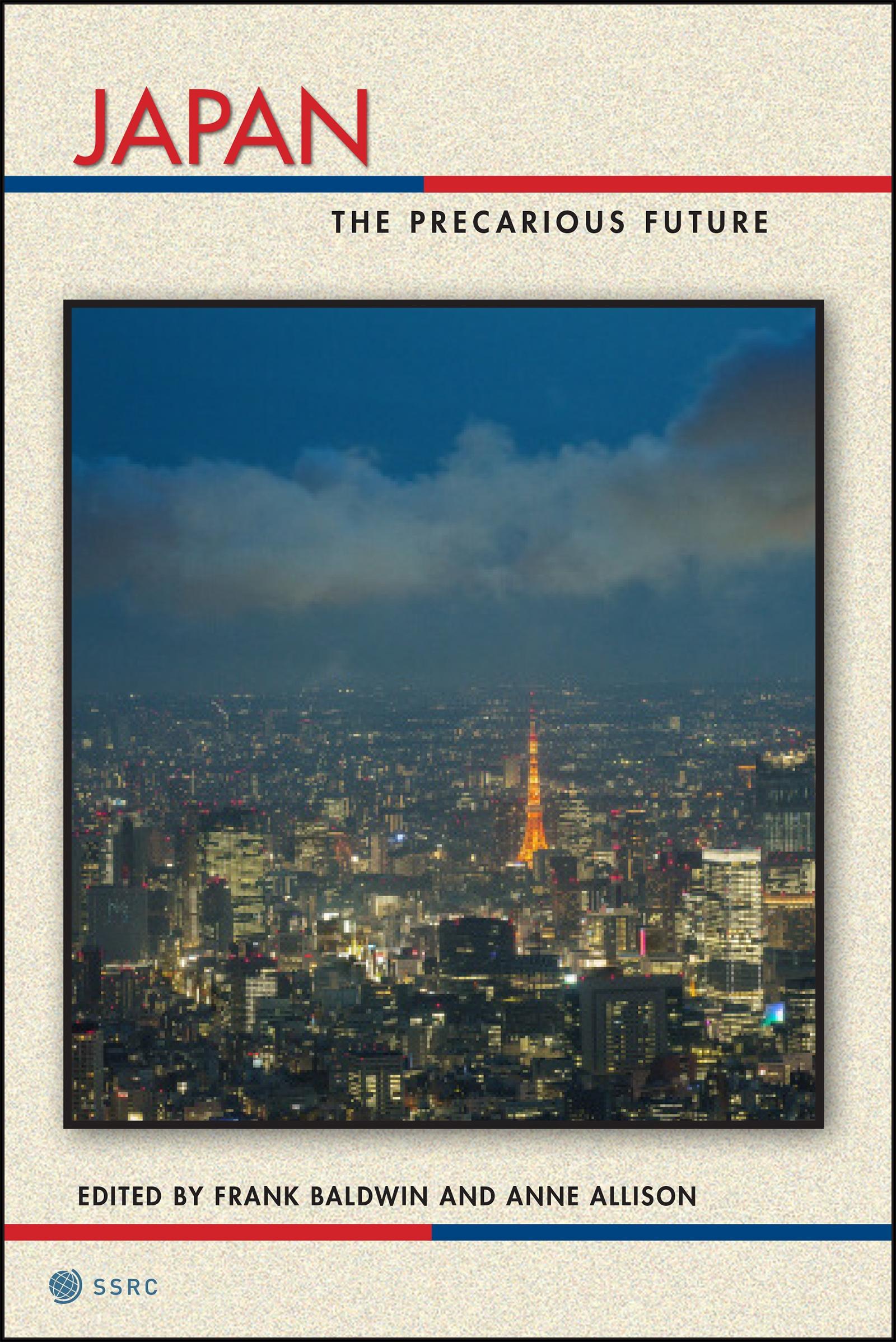
On March 11, 2011, a 9.0 earthquake off Japan’s northeast coast triggered a tsunami that killed more than 20,000 people, displaced 600,000, and caused billions of dollars in damage as well as a nuclear meltdown of three reactors at the Fukushima Daiichi nuclear plant. Japan, the world’s third largest economy, was already grappling with recovery from both its own economic recession of the 1990s and the global recession following the US-driven financial crisis of 2008 when the disaster hit, changing its fortunes yet again. This small, populous Asian nation—once thought to be a contender for the role of the world’s number one power—now faces a world of uncertainty. Japan’s economy has shrunk, China has challenged its borders, and it faces perilous demographic adjustments from decreased fertility and an aging populace, with the country’s population expected to drop to less than 100 million by 2048.
In Japan: The Precarious Future, a group of distinguished scholars of Japanese economics, politics, law, and society examine the various roads that might lie ahead. Will Japan face a continued erosion of global economic and political power, particularly as China’s outlook improves exponentially? Or will it find a way to protect its status as an important player in global affairs? Contributors explore issues such as national security, political leadership, manufacturing prowess, diplomacy, population decline, and gender equality in politics and the workforce, all in an effort to chart the possible futures for Japan. Both a roadmap for change and a look at how Japan arrived at its present situation, this collection of thought-provoking analyses will be essential for understanding the current landscape and future prospects of this world power.
Before Memmo my notes were scattered across PDFs. Now a workspace pulls everything into one place — I see exactly what's still left to study.
Memmo's summaries are gold before exams. I don't have to re-read 800 pages two weeks before — just the important parts.
The AI chat has saved me the night before an exam more than once. I just keep asking until I get it — no waiting on a study group to reply.
The quizzes hit exactly what I need to know. Memmo tracks what I get stuck on — so I only practice what's worth it.
Flashcards with spaced repetition are magic. Memmo knows when I'm about to forget something and brings it back.
The AI podcasts are my favorite. I listen on my way to school and get a recap without sitting at a computer.

Handbok i kvalitativa metoder
281 kr

Hållbar utveckling: en introduktion för ingenjörer och andra problemlösare
334 kr

Brymans Samhällsvetenskapliga metoder
390 kr

Projektledning
491 kr

Den orättvisa hälsan: om socioekonomiska skillnader i hälsa och livslängd
326 kr

Organizational Leadership
429 kr

Vetenskapsteori för nybörjare
196 kr

På väg mot läraryrket
172 kr

Det sociala livet i skolan: Socialpsykologiska perspektiv
253 kr

Betygsättningens didaktik
151 kr

Personality
402 kr

Studying Leadership
404 kr

Managing Innovation
477 kr

Introduktion till samhällsvetenskaplig metod
347 kr

The Psychology of Sex and Gender
698 kr

Evidens och kunskap för socialt arbete
207 kr

Introduction to Leadership
605 kr