
Before Memmo my notes were scattered across PDFs. Now a workspace pulls everything into one place — I see exactly what's still left to study.
The powerful story of how the War on Terror created the conditions for the emergence of a novel theory of jihad
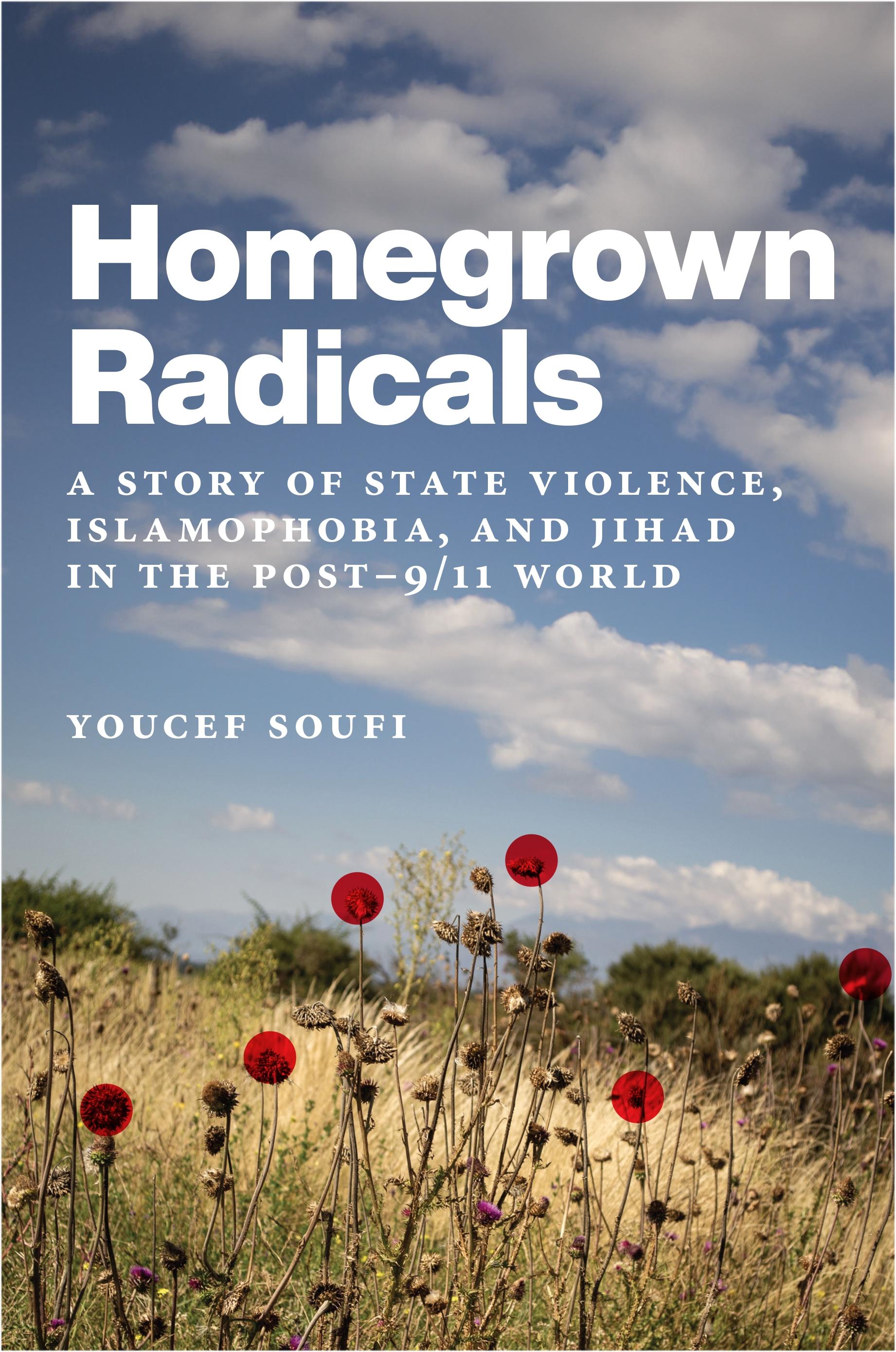
On March 7th, 2007, three Muslim university students left their small city on the Canadian Prairies, seemingly without a trace. In the ensuing months, their disappearance raised fears among Canadian and US security agencies that the men had become “radicalized,” posing a grave threat to national security. From presidential briefings and targeted drone assassinations to a politically charged trial in a Brooklyn courtroom, the men’s story sheds new light not only on the figure of the “radical,” but also on the “moderate” Muslim, represented by a community forever changed by the men’s departure.
Homegrown Radicals offers a case study of the complex entanglements of the radical and moderate Muslim in post-9/11 North America. Youcef Soufi brings these figures together in uneasy tension, providing insight into how state violence has inextricably tied them together. Focusing on the radicalization of the three Muslim students, the book traces the general sense of affective injury among North American Muslims over the loss of Muslim life in Western military campaigns overseas.
In this context, a new theory of jihad rooted in a Muslim utopian imagination emerged, marking a significant rupture with premodern Islamic thought. The three “radicals” were among thousands of Anglophone Muslims who found this new theory compelling as both a diagnosis and a solution to the violence unleashed in the War on Terror. The book examines how and why this theory resonated, as well as its consequences for the men’s families, friends, and Muslim community.
Homegrown Radicals highlights how post-9/11 Islamophobia has operated through the conceptual blurring of the line between “moderate” and “radical” Muslims, and asks what alternative forms of solidarity may transcend the violent boundaries of the nation-state.
Before Memmo my notes were scattered across PDFs. Now a workspace pulls everything into one place — I see exactly what's still left to study.
Memmo's summaries are gold before exams. I don't have to re-read 800 pages two weeks before — just the important parts.
The AI chat has saved me the night before an exam more than once. I just keep asking until I get it — no waiting on a study group to reply.
The quizzes hit exactly what I need to know. Memmo tracks what I get stuck on — so I only practice what's worth it.
Flashcards with spaced repetition are magic. Memmo knows when I'm about to forget something and brings it back.
The AI podcasts are my favorite. I listen on my way to school and get a recap without sitting at a computer.

Handbok i kvalitativa metoder
281 kr

Hållbar utveckling: en introduktion för ingenjörer och andra problemlösare
334 kr

Brymans Samhällsvetenskapliga metoder
390 kr

Projektledning
491 kr

Den orättvisa hälsan: om socioekonomiska skillnader i hälsa och livslängd
326 kr

Organizational Leadership
429 kr

Vetenskapsteori för nybörjare
196 kr

På väg mot läraryrket
172 kr

Det sociala livet i skolan: Socialpsykologiska perspektiv
253 kr

Betygsättningens didaktik
151 kr

Personality
402 kr

Studying Leadership
404 kr

Managing Innovation
477 kr

Introduktion till samhällsvetenskaplig metod
347 kr

The Psychology of Sex and Gender
698 kr

Evidens och kunskap för socialt arbete
207 kr

Introduction to Leadership
605 kr