
Before Memmo my notes were scattered across PDFs. Now a workspace pulls everything into one place — I see exactly what's still left to study.
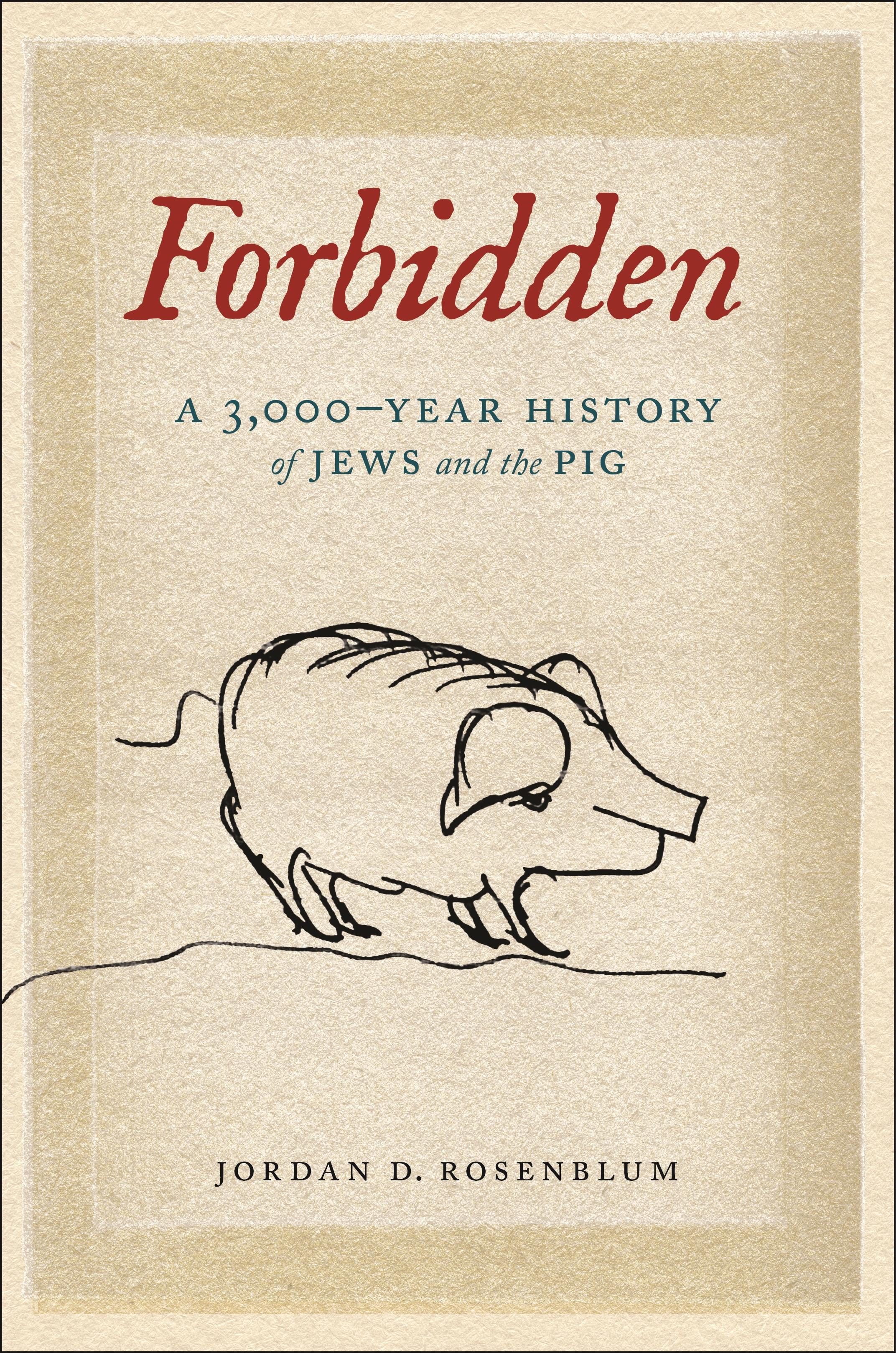
Winner of the 74th National Jewish Book Award: The Jane and Stuart Weitzman Family Award for Food Writing and Cookbooks
A surprising history of how the pig has influenced Jewish identity
Jews do not eat pig. This (not always true) observation has been made by both Jews and non-Jews for more than three thousand years and is rooted in biblical law. Though the Torah prohibits eating pig meat, it is not singled out more than other food prohibitions. Horses, rabbits, squirrels, and even vultures, while also not kosher, do not inspire the same level of revulsion for Jews as the pig. The pig has become an iconic symbol for people to signal their Jewishness, non-Jewishness, or rebellion from Judaism. There is nothing in the Bible that suggests Jews are meant to embrace this level of pig-phobia.
Starting with the Hebrew Bible, Jordan D. Rosenblum historicizes the emergence of the pig as a key symbol of Jewish identity, from the Roman persecution of ancient rabbis, to the Spanish Inquisition, when so-called Marranos (“Pigs”) converted to Catholicism, to Shakespeare’s writings, to modern memoirs of those leaving Orthodox Judaism. The pig appears in debates about Jewish emancipation in eighteenth-century England and in vaccine conspiracies; in World War II rallying cries, when many American Jewish soldiers were “eating ham for Uncle Sam;” in conversations about pig sandwiches reportedly consumed by Karl Marx; and in recent deliberations about the kosher status of Impossible Pork.
All told, there is a rich and varied story about the associations of Jews and pigs over time, both emerging from within Judaism and imposed on Jews by others. Expansive yet accessible, Forbidden offers a captivating look into Jewish history and identity through the lens of the pig.
Before Memmo my notes were scattered across PDFs. Now a workspace pulls everything into one place — I see exactly what's still left to study.
Memmo's summaries are gold before exams. I don't have to re-read 800 pages two weeks before — just the important parts.
The AI chat has saved me the night before an exam more than once. I just keep asking until I get it — no waiting on a study group to reply.
The quizzes hit exactly what I need to know. Memmo tracks what I get stuck on — so I only practice what's worth it.
Flashcards with spaced repetition are magic. Memmo knows when I'm about to forget something and brings it back.
The AI podcasts are my favorite. I listen on my way to school and get a recap without sitting at a computer.

Handbok i kvalitativa metoder
281 kr

Hållbar utveckling: en introduktion för ingenjörer och andra problemlösare
334 kr

Brymans Samhällsvetenskapliga metoder
390 kr

Projektledning
491 kr

Den orättvisa hälsan: om socioekonomiska skillnader i hälsa och livslängd
326 kr

Organizational Leadership
429 kr

Vetenskapsteori för nybörjare
196 kr

På väg mot läraryrket
172 kr

Det sociala livet i skolan: Socialpsykologiska perspektiv
253 kr

Betygsättningens didaktik
151 kr

Personality
402 kr

Studying Leadership
404 kr

Managing Innovation
477 kr

Introduktion till samhällsvetenskaplig metod
347 kr

The Psychology of Sex and Gender
698 kr

Evidens och kunskap för socialt arbete
207 kr

Introduction to Leadership
605 kr