
Before Memmo my notes were scattered across PDFs. Now a workspace pulls everything into one place — I see exactly what's still left to study.
A chronicle of ableism and disability activism in New York City during the COVID-19 pandemic
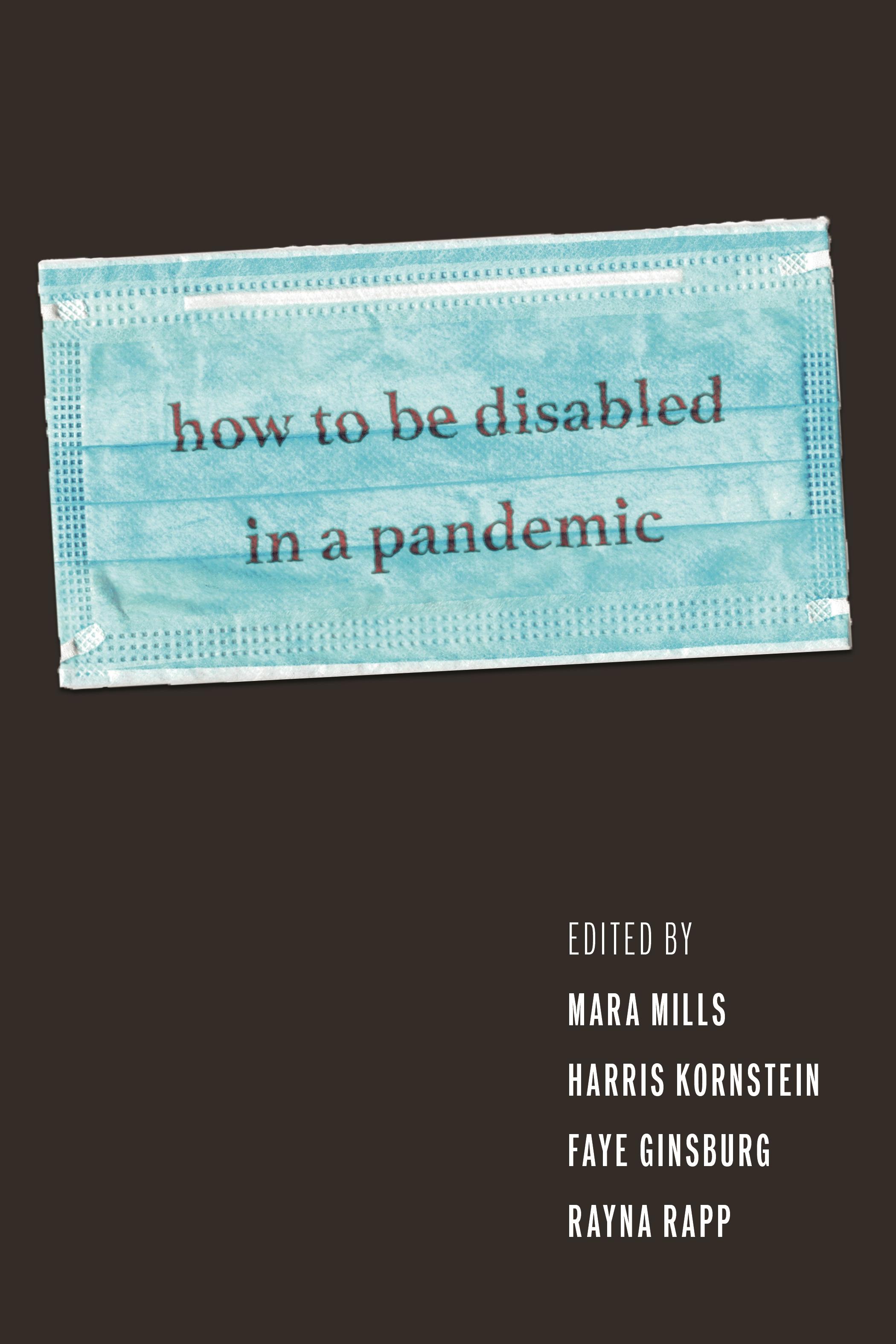
How to Be Disabled in a Pandemic documents the pivotal experiences of disabled people living in an early epicenter of COVID-19: New York City. Among those hardest hit by the pandemic, disability communities across the five boroughs have been disproportionately impacted by city and national policies, work and housing conditions, stigma, racism, and violence—as much as by the virus itself. Disabled and chronically-ill activists have protested plans for medical rationing and refuted the eugenic logic of mainstream politicians and journalists who “reassure” audiences that only older people and those with disabilities continue to die from COVID-19. At the same time, as exemplified by the viral hashtag #DisabledPeopleToldYou, disability expertise has become widely recognized in practices such as accessible remote work and education, quarantine, and distributed networks of support and mutual aid. This edited volume charts the legacies of this “mass disabling event” for uncertain viral futures, exploring the dialectic between disproportionate risk and the creativity of a disability justice response.
How to Be Disabled in a Pandemic includes contributions by wide-ranging disability scholars, writers, and activists whose research and lived experiences chronicle the pandemic’s impacts in prisons, migrant detention centers, Chinatown senior centers, hospitals in Queens and the Bronx, subways, schools, housing shelters, social media, and other locations of public and private life. By focusing on New York City over the course of three years, the book reveals key themes of the pandemic, including hierarchies of disability "vulnerability," the deployment of disability as a tool of population management, and innovative crip pandemic cultural production. How to Be Disabled in a Pandemic honors those lost, as well as those who survived, by calling for just policies and caring infrastructures, not only in times of crisis but for the long haul.
Before Memmo my notes were scattered across PDFs. Now a workspace pulls everything into one place — I see exactly what's still left to study.
Memmo's summaries are gold before exams. I don't have to re-read 800 pages two weeks before — just the important parts.
The AI chat has saved me the night before an exam more than once. I just keep asking until I get it — no waiting on a study group to reply.
The quizzes hit exactly what I need to know. Memmo tracks what I get stuck on — so I only practice what's worth it.
Flashcards with spaced repetition are magic. Memmo knows when I'm about to forget something and brings it back.
The AI podcasts are my favorite. I listen on my way to school and get a recap without sitting at a computer.

Handbok i kvalitativa metoder
281 kr

Hållbar utveckling: en introduktion för ingenjörer och andra problemlösare
334 kr

Brymans Samhällsvetenskapliga metoder
390 kr

Projektledning
491 kr

Den orättvisa hälsan: om socioekonomiska skillnader i hälsa och livslängd
326 kr

Vetenskapsteori för nybörjare
196 kr

Organizational Leadership
429 kr

På väg mot läraryrket
172 kr

Det sociala livet i skolan: Socialpsykologiska perspektiv
253 kr

Betygsättningens didaktik
151 kr

Personality
402 kr

Studying Leadership
404 kr

Managing Innovation
477 kr

Introduktion till samhällsvetenskaplig metod
347 kr

The Psychology of Sex and Gender
698 kr

Evidens och kunskap för socialt arbete
207 kr

Introduction to Leadership
605 kr