
Before Memmo my notes were scattered across PDFs. Now a workspace pulls everything into one place — I see exactly what's still left to study.
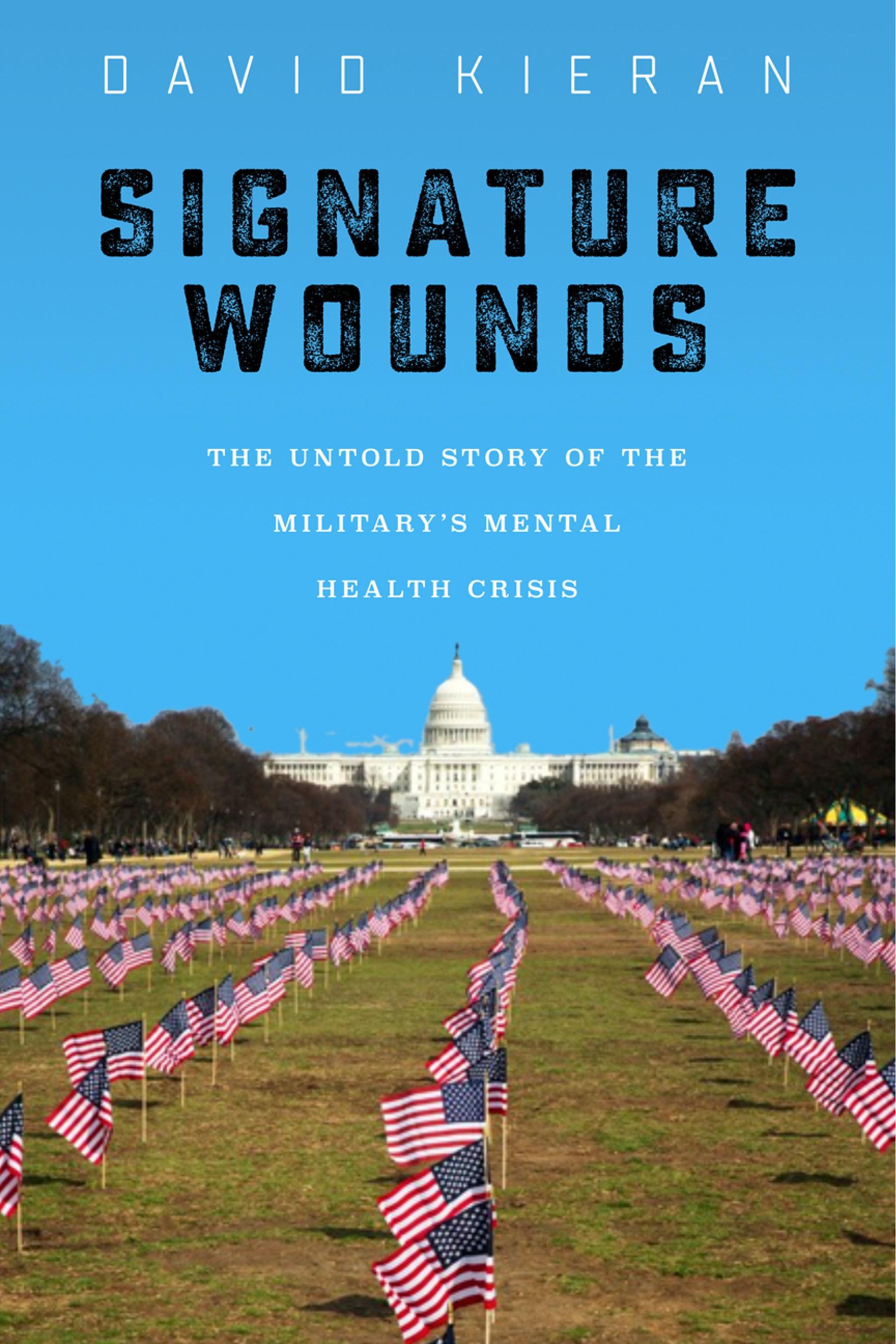
The surprising story of the Army’s efforts to combat PTSD and traumatic brain injury
The wars in Iraq and Afghanistan have taken a tremendous toll on the mental health of our troops. In 2005, then-Senator Barack Obama took to the Senate floor to tell his colleagues that “many of our injured soldiers are returning from Iraq with traumatic brain injury,” which doctors were calling the “signature wound” of the Iraq War. Alarming stories of veterans taking their own lives raised a host of vital questions: Why hadn’t the military been better prepared to treat post-traumatic stress disorder (PTSD) and traumatic brain injury (TBI)? Why were troops being denied care and sent back to Iraq? Why weren’t the Army and the VA doing more to address these issues?
Drawing on previously unreleased documents and oral histories, David Kieran tells the broad and nuanced story of the Army’s efforts to understand and address these issues, challenging the popular media view that the Iraq War was mismanaged by a callous military unwilling to address the human toll of the wars. The story of mental health during this war is the story of how different groups—soldiers, veterans and their families, anti-war politicians, researchers and clinicians, and military leaders—approached these issues from different perspectives and with different agendas. It is the story of how the advancement of medical knowledge moves at a different pace than the needs of an Army at war, and it is the story of how medical conditions intersect with larger political questions about militarism and foreign policy.
This book shows how PTSD, TBI, and suicide became the signature wounds of the wars in Iraq and Afghanistan, how they prompted change within the Army itself, and how mental health became a factor in the debates about the impact of these conflicts on US culture.
Before Memmo my notes were scattered across PDFs. Now a workspace pulls everything into one place — I see exactly what's still left to study.
Memmo's summaries are gold before exams. I don't have to re-read 800 pages two weeks before — just the important parts.
The AI chat has saved me the night before an exam more than once. I just keep asking until I get it — no waiting on a study group to reply.
The quizzes hit exactly what I need to know. Memmo tracks what I get stuck on — so I only practice what's worth it.
Flashcards with spaced repetition are magic. Memmo knows when I'm about to forget something and brings it back.
The AI podcasts are my favorite. I listen on my way to school and get a recap without sitting at a computer.

Handbok i kvalitativa metoder
281 kr

Hållbar utveckling: en introduktion för ingenjörer och andra problemlösare
334 kr

Brymans Samhällsvetenskapliga metoder
390 kr

Projektledning
491 kr

Den orättvisa hälsan: om socioekonomiska skillnader i hälsa och livslängd
326 kr

Organizational Leadership
429 kr

Vetenskapsteori för nybörjare
196 kr

På väg mot läraryrket
172 kr

Det sociala livet i skolan: Socialpsykologiska perspektiv
253 kr

Betygsättningens didaktik
151 kr

Personality
402 kr

Studying Leadership
404 kr

Managing Innovation
477 kr

Introduktion till samhällsvetenskaplig metod
347 kr

The Psychology of Sex and Gender
698 kr

Evidens och kunskap för socialt arbete
207 kr

Introduction to Leadership
605 kr