
Before Memmo my notes were scattered across PDFs. Now a workspace pulls everything into one place — I see exactly what's still left to study.
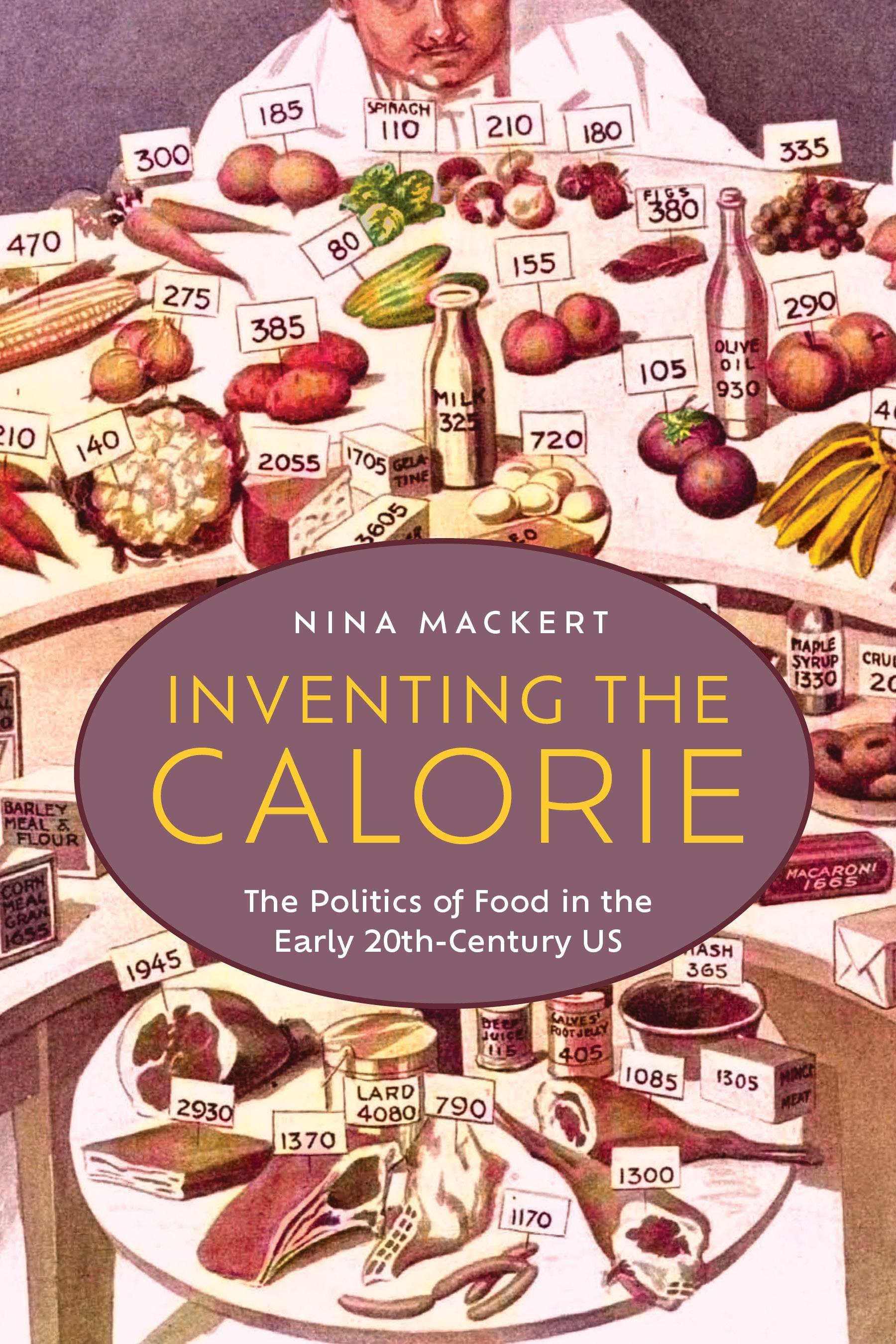
Traces how the calorie became America’s way to quantify food, police bodies, and moralize behavior
From packaged foods, to lifestyle magazines, and public health discussions, calories are deeply woven into the fabric of everyday life. Promoted as a neutral scientific unit of measurement, they have come to measure more than food energy: from food value, to health, lifestyle, and even personal conduct.
Inventing the Calorie provides the first comprehensive history of the food calorie in the United States. Spanning the late 1880s to the 1930s, the book traces the calorie’s journey through labor disputes, scientific laboratories, wartime rationing, European food aid, and the rise of consumer culture, ending with the emergence of dieting as a popular practice. Nina Mackert explores how the calorie became regarded as not only a unit of measurement, but also a way of creating social differences as it translates to individual bodies and populations. It could address industrial productivity, racial improvement, colonial management, public health, and the anxieties of abundance.
By making food, bodies, and work measurable, the calorie offered a seemingly objective language for negotiating conflicts over the needs of workers, women, Black Americans, and aid recipients. In doing so, the calorie helped define the “consumer citizen” as responsible for managing diet, weight, and health—an ideal that fueled fat shaming and moralized body size while not challenging consumer capitalism. Shedding new light on the history of one of the most popular tools for dieting, Inventing the Calorie reveals how one small number transformed the way Americans think about food, bodies, health and citizenship, and why its legacy still shapes our most personal choices today.
Before Memmo my notes were scattered across PDFs. Now a workspace pulls everything into one place — I see exactly what's still left to study.
Memmo's summaries are gold before exams. I don't have to re-read 800 pages two weeks before — just the important parts.
The AI chat has saved me the night before an exam more than once. I just keep asking until I get it — no waiting on a study group to reply.
The quizzes hit exactly what I need to know. Memmo tracks what I get stuck on — so I only practice what's worth it.
Flashcards with spaced repetition are magic. Memmo knows when I'm about to forget something and brings it back.
The AI podcasts are my favorite. I listen on my way to school and get a recap without sitting at a computer.

Handbok i kvalitativa metoder
281 kr

Hållbar utveckling: en introduktion för ingenjörer och andra problemlösare
334 kr

Brymans Samhällsvetenskapliga metoder
390 kr

Projektledning
491 kr

Den orättvisa hälsan: om socioekonomiska skillnader i hälsa och livslängd
326 kr

Vetenskapsteori för nybörjare
196 kr

Organizational Leadership
429 kr

På väg mot läraryrket
172 kr

Det sociala livet i skolan: Socialpsykologiska perspektiv
253 kr

Betygsättningens didaktik
151 kr

Personality
402 kr

Studying Leadership
404 kr

Managing Innovation
477 kr

Introduktion till samhällsvetenskaplig metod
347 kr

The Psychology of Sex and Gender
698 kr

Evidens och kunskap för socialt arbete
207 kr

Introduction to Leadership
605 kr