
Before Memmo my notes were scattered across PDFs. Now a workspace pulls everything into one place — I see exactly what's still left to study.
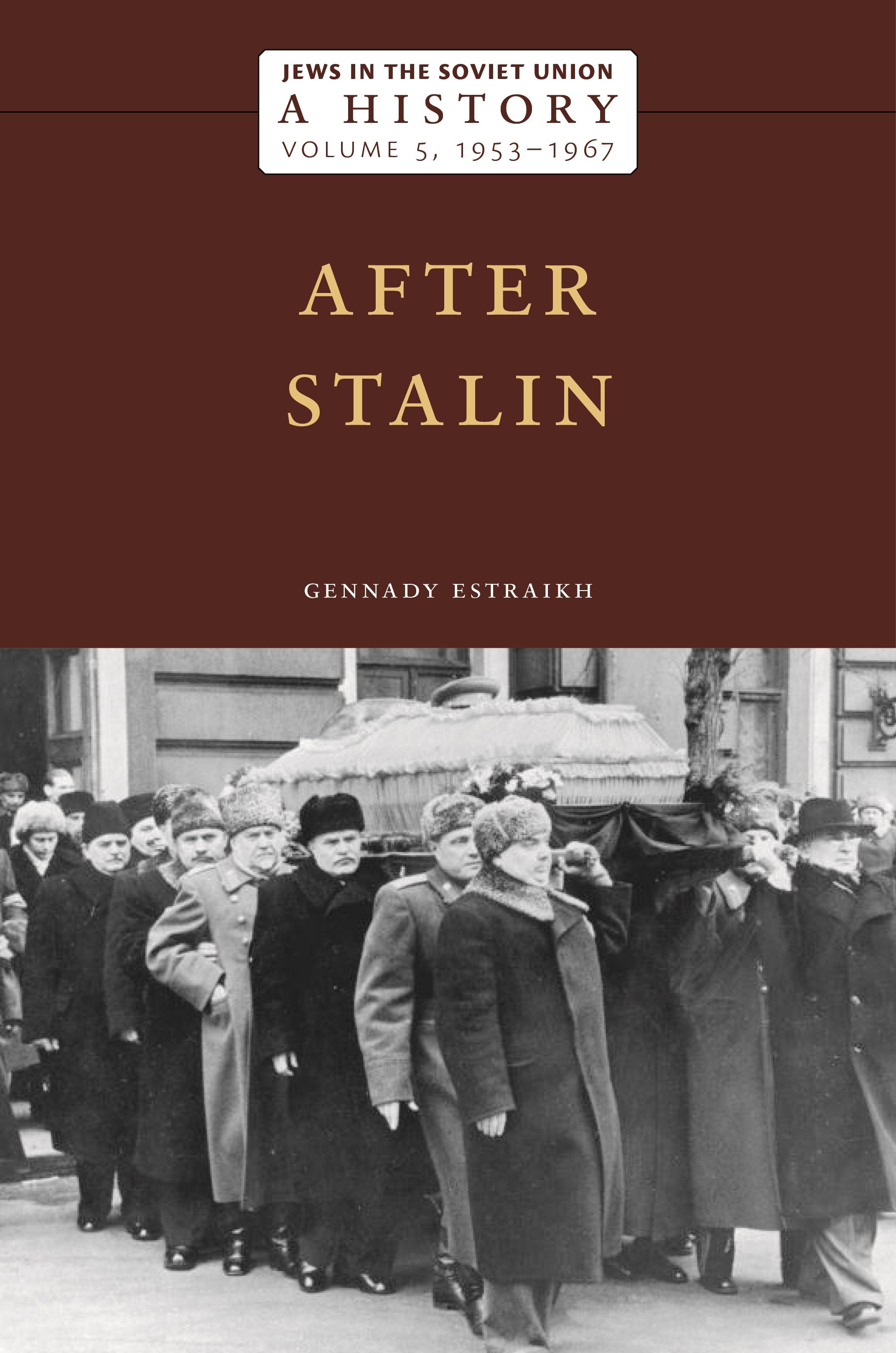
Offers an analysis of Soviet Jewish society after the death of Joseph Stalin
At the beginning of the twentieth century, more Jews lived in the Russian Empire than anywhere else in the world. After the Holocaust, the USSR remained one of the world’s three key centers of Jewish population, along with the United States and Israel. While a great deal is known about the history and experiences of the Jewish people in the US and in Israel in the twentieth century, much less is known about the experiences of Soviet Jews. Understanding the history of Jewish communities under Soviet rule is essential to comprehending the dynamics of Jewish history in the modern world. Only a small number of scholars and the last generation of Soviet Jews who lived during this period hold a deep knowledge of this history. Jews in the Soviet Union, a new multi-volume history, is an unprecedented undertaking. Publishing over the next few years, this groundbreaking work draws on rare access to documents from the Soviet archives, allowing for the presentation of a sweeping history of Jewish life in the Soviet Union from 1917 through the early 1990s.
Volume 5 offers a history of Soviet Jewry from the demise of the brutal dictator Joseph Stalin to the military confrontation between Israel and Arab states in 1967 known as the Six-Day War. Both historic events deeply affected Soviet Jews, who numbered over two million in the wake of the Holocaust and still formed at that point the second-largest Jewish population in the world. Stalin’s death led to the release of political prisoners and the reduction of the level of fear in society. The economy was growing and conditions of life were improving. At the same time, the state had doubts about the loyalty of the Jewish population and imposed limitations on their educational and career prospects. The relatively liberal period associated with Nikita Khrushchev’s “thaw” after the Stalinist bitter frost became a prelude to the years when contemplation about, or practical steps toward, emigration to Israel or elsewhere began to play an increasing role in the lives of Soviet Jews.
In this pioneering analysis of the “thaw” years in Soviet Jewish history, Gennady Estraikh focuses both on the factors driving emigration and dissent, and on those Jews who were able to attain a high standard of living, and to rise to esteemed positions in managerial, academic, bohemian, and other segments of the Soviet elite.
Before Memmo my notes were scattered across PDFs. Now a workspace pulls everything into one place — I see exactly what's still left to study.
Memmo's summaries are gold before exams. I don't have to re-read 800 pages two weeks before — just the important parts.
The AI chat has saved me the night before an exam more than once. I just keep asking until I get it — no waiting on a study group to reply.
The quizzes hit exactly what I need to know. Memmo tracks what I get stuck on — so I only practice what's worth it.
Flashcards with spaced repetition are magic. Memmo knows when I'm about to forget something and brings it back.
The AI podcasts are my favorite. I listen on my way to school and get a recap without sitting at a computer.

Handbok i kvalitativa metoder
281 kr

Hållbar utveckling: en introduktion för ingenjörer och andra problemlösare
334 kr

Brymans Samhällsvetenskapliga metoder
390 kr

Projektledning
491 kr

Den orättvisa hälsan: om socioekonomiska skillnader i hälsa och livslängd
326 kr

Vetenskapsteori för nybörjare
196 kr

Organizational Leadership
429 kr

På väg mot läraryrket
172 kr

Det sociala livet i skolan: Socialpsykologiska perspektiv
253 kr

Betygsättningens didaktik
151 kr

Personality
402 kr

Studying Leadership
404 kr

Managing Innovation
477 kr

Introduktion till samhällsvetenskaplig metod
347 kr

The Psychology of Sex and Gender
698 kr

Evidens och kunskap för socialt arbete
207 kr

Introduction to Leadership
605 kr