
Before Memmo my notes were scattered across PDFs. Now a workspace pulls everything into one place — I see exactly what's still left to study.
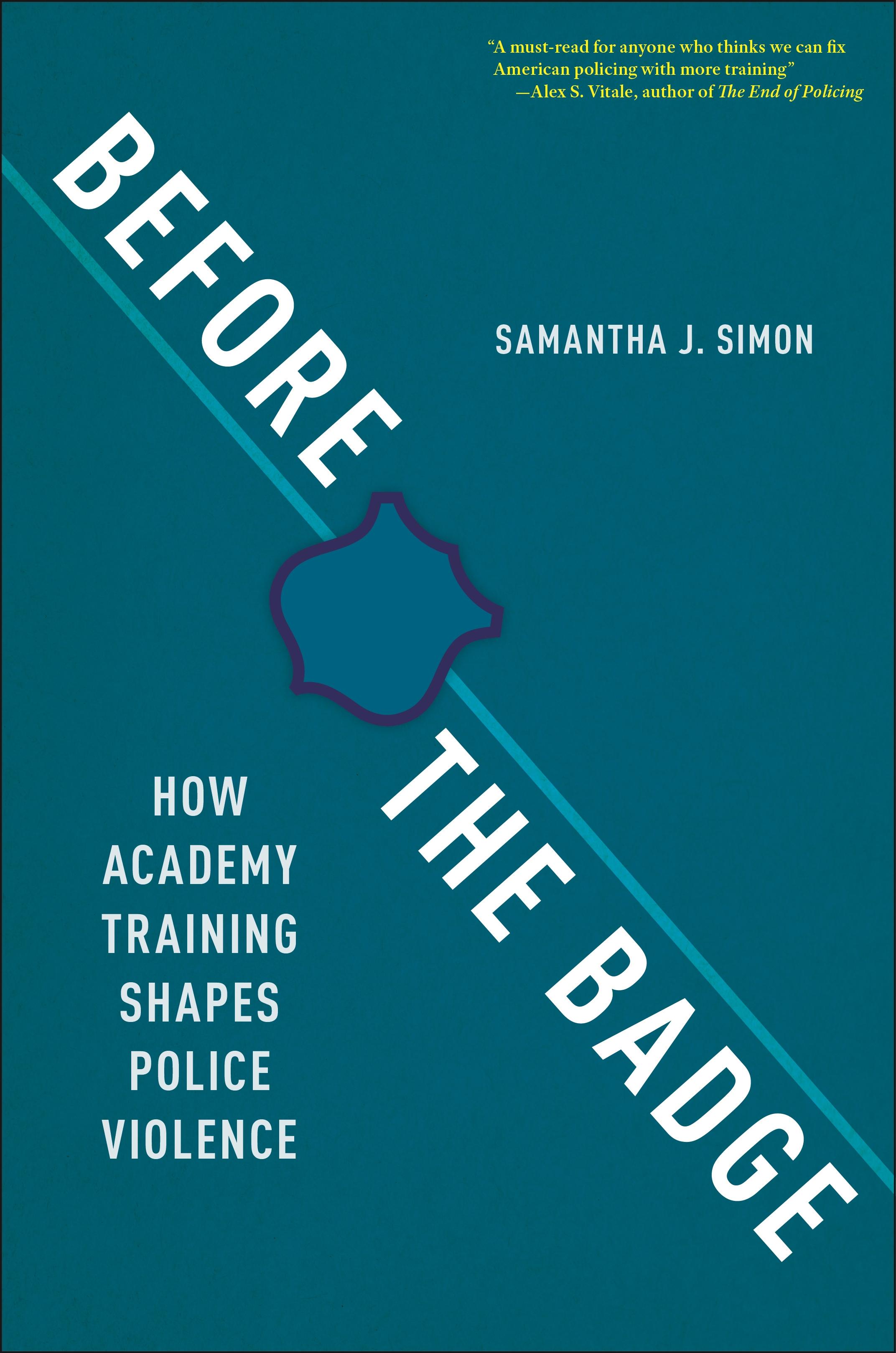
An inside look at how police officers are trained to perpetuate state violence
Michael Brown. Philando Castile. George Floyd. Breonna Taylor. As the names of those killed by the police became cemented into public memory, the American public took to the streets in unprecedented numbers to mourn, organize, and demand changes to the current system of policing. In response, police departments across the country committed themselves to change, pledging to hire more women and people of color, incorporate diversity training, and instruct officers to verbally de-escalate interactions with the public.
These reform efforts tend to rely on a “bad apple” argument, focusing the nature and scope of the problem on the behavior of specific individuals and rarely considering the broader organizational process that determines who is allowed to patrol the public and how they learn to do their jobs. In Before the Badge, Samantha J. Simon provides a firsthand look into how police officers are selected and trained, describing every stage of the process, including recruitment, classroom instruction, and tactical training.
Simon spent a year at police academies participating in the training alongside cadets, giving her a visceral, hands-on understanding of how police training operates. Using rich and detailed examples, she reveals that the process does more than test a cadet’s physical or intellectual abilities. Instead, it socializes cadets into a system of state violence. As training progresses, cadets are expected to see themselves as warriors and to view Black and Latino/a members of the public as their enemies. Cadets who cannot or will not uphold this approach end up washing out. In Before the Badge, Simon explains how this training creates a context in which patterns of police violence persist and implores readers to re-envision the future of policing in the United States.
Before Memmo my notes were scattered across PDFs. Now a workspace pulls everything into one place — I see exactly what's still left to study.
Memmo's summaries are gold before exams. I don't have to re-read 800 pages two weeks before — just the important parts.
The AI chat has saved me the night before an exam more than once. I just keep asking until I get it — no waiting on a study group to reply.
The quizzes hit exactly what I need to know. Memmo tracks what I get stuck on — so I only practice what's worth it.
Flashcards with spaced repetition are magic. Memmo knows when I'm about to forget something and brings it back.
The AI podcasts are my favorite. I listen on my way to school and get a recap without sitting at a computer.

Handbok i kvalitativa metoder
281 kr

Hållbar utveckling: en introduktion för ingenjörer och andra problemlösare
334 kr

Brymans Samhällsvetenskapliga metoder
390 kr

Projektledning
491 kr

Den orättvisa hälsan: om socioekonomiska skillnader i hälsa och livslängd
326 kr

Organizational Leadership
429 kr

Vetenskapsteori för nybörjare
196 kr

På väg mot läraryrket
172 kr

Det sociala livet i skolan: Socialpsykologiska perspektiv
253 kr

Betygsättningens didaktik
151 kr

Personality
402 kr

Studying Leadership
404 kr

Managing Innovation
477 kr

Introduktion till samhällsvetenskaplig metod
347 kr

The Psychology of Sex and Gender
698 kr

Evidens och kunskap för socialt arbete
207 kr

Introduction to Leadership
605 kr