
Before Memmo my notes were scattered across PDFs. Now a workspace pulls everything into one place — I see exactly what's still left to study.
2024 Outstanding Academic Title, given by Choice Reviews
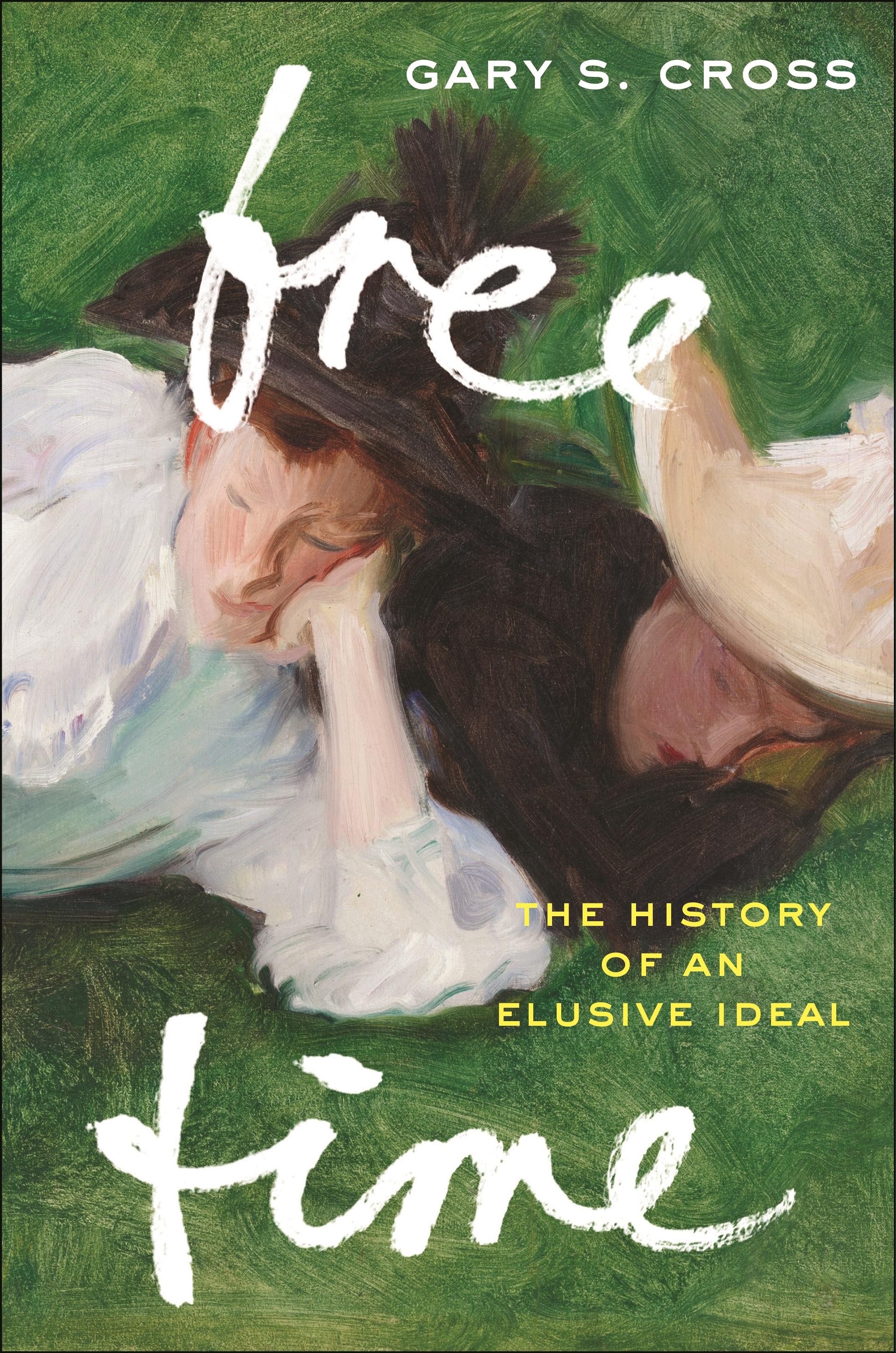
The history of leisure time, from the earliest societies to the work-from-home era
Free time, one of life’s most precious things, often feels unfulfilling. But why? And how did leisure activities transition from strolling in the park for hours to “doomscrolling” on social media for thirty minutes?
Today, despite the promise of modern industrialization, many people experience both a scarcity of free time and a disappointment in it. Free Time offers a broad historical explanation of why our affluent society does not afford more time away from work and why that time is often unsatisfying. Gary S. Cross explores the cultural, social, economic, and political history, especially of the past 250 years to understand the roots of our conceptions of free time and its use. By the end of the nineteenth century, a common expectation was that industrial innovations would lead to a progressive reduction of work time and a subsequent rise in free time devoted to self-development and social engagement. However, despite significant changes in the early twentieth century, both goals were frustrated, thus leading to the contemporary dilemma.
Cross touches on leisure of all kinds, from peasant festivals and aristocratic pleasure gardens to amusement parks, movie theaters and organized sports to internet surfing, and even the use of alcohol and drugs. This wide-ranging cultural and social history explores the industrial-era origins of our modern obsession with work and productivity, but also the historical efforts to liberate time from work and cultivate free time for culture. Insightful and informative, this book is sure to help you make sense of your own relationship to free time.
Before Memmo my notes were scattered across PDFs. Now a workspace pulls everything into one place — I see exactly what's still left to study.
Memmo's summaries are gold before exams. I don't have to re-read 800 pages two weeks before — just the important parts.
The AI chat has saved me the night before an exam more than once. I just keep asking until I get it — no waiting on a study group to reply.
The quizzes hit exactly what I need to know. Memmo tracks what I get stuck on — so I only practice what's worth it.
Flashcards with spaced repetition are magic. Memmo knows when I'm about to forget something and brings it back.
The AI podcasts are my favorite. I listen on my way to school and get a recap without sitting at a computer.

Handbok i kvalitativa metoder
281 kr

Hållbar utveckling: en introduktion för ingenjörer och andra problemlösare
334 kr

Brymans Samhällsvetenskapliga metoder
390 kr

Projektledning
491 kr

Den orättvisa hälsan: om socioekonomiska skillnader i hälsa och livslängd
326 kr

Vetenskapsteori för nybörjare
196 kr

Organizational Leadership
429 kr

På väg mot läraryrket
172 kr

Det sociala livet i skolan: Socialpsykologiska perspektiv
253 kr

Betygsättningens didaktik
151 kr

Personality
402 kr

Studying Leadership
404 kr

Managing Innovation
477 kr

Introduktion till samhällsvetenskaplig metod
347 kr

The Psychology of Sex and Gender
698 kr

Evidens och kunskap för socialt arbete
207 kr

Introduction to Leadership
605 kr