
Before Memmo my notes were scattered across PDFs. Now a workspace pulls everything into one place — I see exactly what's still left to study.
Winner of the 2017 Albert J. Raboteau Book Prize for the Best Book in Africana Religions
Shows how early 20th-century resistance to conventional racial categorization contributed to broader discussions in black America that still resonate today
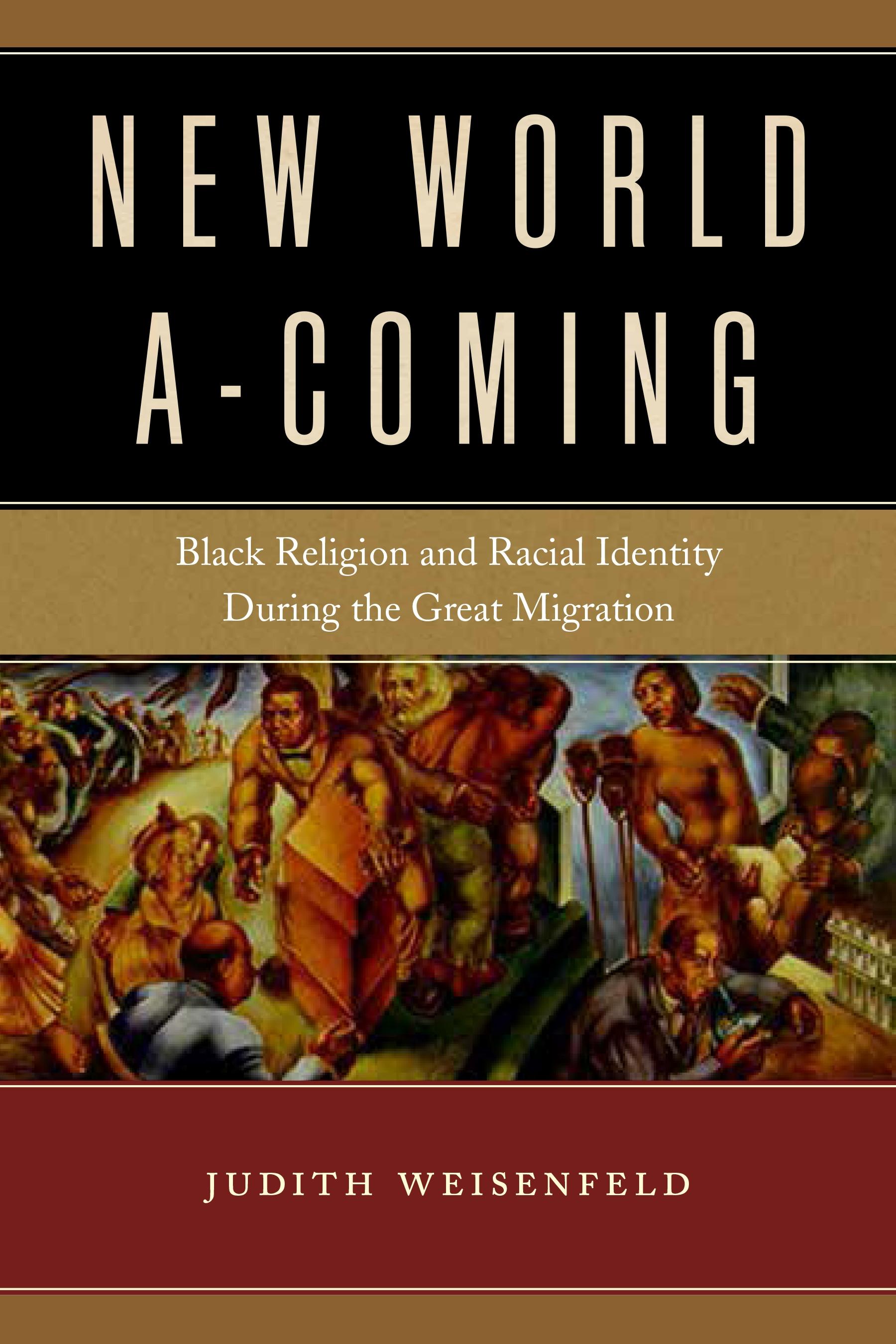
When Joseph Nathaniel Beckles registered for the draft in the 1942, he rejected the racial categories presented to him and persuaded the registrar to cross out the check mark she had placed next to Negro and substitute “Ethiopian Hebrew.” “God did not make us Negroes,” declared religious leaders in black communities of the early twentieth-century urban North. They insisted that so-called Negroes are, in reality, Ethiopian Hebrews, Asiatic Muslims, or raceless children of God. Rejecting conventional American racial classification, many black southern migrants and immigrants from the Caribbean embraced these alternative visions of black history, racial identity, and collective future, thereby reshaping the black religious and racial landscape.
Focusing on the Moorish Science Temple, the Nation of Islam, Father Divine’s Peace Mission Movement, and a number of congregations of Ethiopian Hebrews, Judith Weisenfeld argues that the appeal of these groups lay not only in the new religious opportunities membership provided, but also in the novel ways they formulated a religio-racial identity. Arguing that members of these groups understood their religious and racial identities as divinely-ordained and inseparable, the book examines how this sense of self shaped their conceptions of their bodies, families, religious and social communities, space and place, and political sensibilities.
Weisenfeld draws on extensive archival research and incorporates a rich array of sources to highlight the experiences of average members. The book demonstrates that the efforts by members of these movements to contest conventional racial categorization contributed to broader discussions in black America about the nature of racial identity and the collective future of black people that still resonate today.
Before Memmo my notes were scattered across PDFs. Now a workspace pulls everything into one place — I see exactly what's still left to study.
Memmo's summaries are gold before exams. I don't have to re-read 800 pages two weeks before — just the important parts.
The AI chat has saved me the night before an exam more than once. I just keep asking until I get it — no waiting on a study group to reply.
The quizzes hit exactly what I need to know. Memmo tracks what I get stuck on — so I only practice what's worth it.
Flashcards with spaced repetition are magic. Memmo knows when I'm about to forget something and brings it back.
The AI podcasts are my favorite. I listen on my way to school and get a recap without sitting at a computer.

Handbok i kvalitativa metoder
281 kr

Hållbar utveckling: en introduktion för ingenjörer och andra problemlösare
334 kr

Brymans Samhällsvetenskapliga metoder
390 kr

Projektledning
491 kr

Den orättvisa hälsan: om socioekonomiska skillnader i hälsa och livslängd
326 kr

Organizational Leadership
429 kr

Vetenskapsteori för nybörjare
196 kr

På väg mot läraryrket
172 kr

Det sociala livet i skolan: Socialpsykologiska perspektiv
253 kr

Betygsättningens didaktik
151 kr

Personality
402 kr

Studying Leadership
404 kr

Managing Innovation
477 kr

Introduktion till samhällsvetenskaplig metod
347 kr

The Psychology of Sex and Gender
698 kr

Evidens och kunskap för socialt arbete
207 kr

Introduction to Leadership
605 kr