
Before Memmo my notes were scattered across PDFs. Now a workspace pulls everything into one place — I see exactly what's still left to study.
Uncovers the often overlooked participation of African Americans and Native Americans in early Protestant churches
Phillis Wheatley was stolen from her family in Senegambia, and, in 1761, slave traders transported her to Boston, Massachusetts, to be sold. She was purchased by the Wheatley family who treated Phillis far better than most eighteenth-century slaves could hope, and she received a thorough education while still, of course, longing for her freedom. After four years, Wheatley began writing religious poetry. She was baptized and became a member of a predominantly white Congregational church in Boston. More than ten years after her enslavement began, some of her poetry was published in London, England, as a book titled Poems on Various Subjects, Religious and Moral. This book is evidence that her experience of enslavement was exceptional.
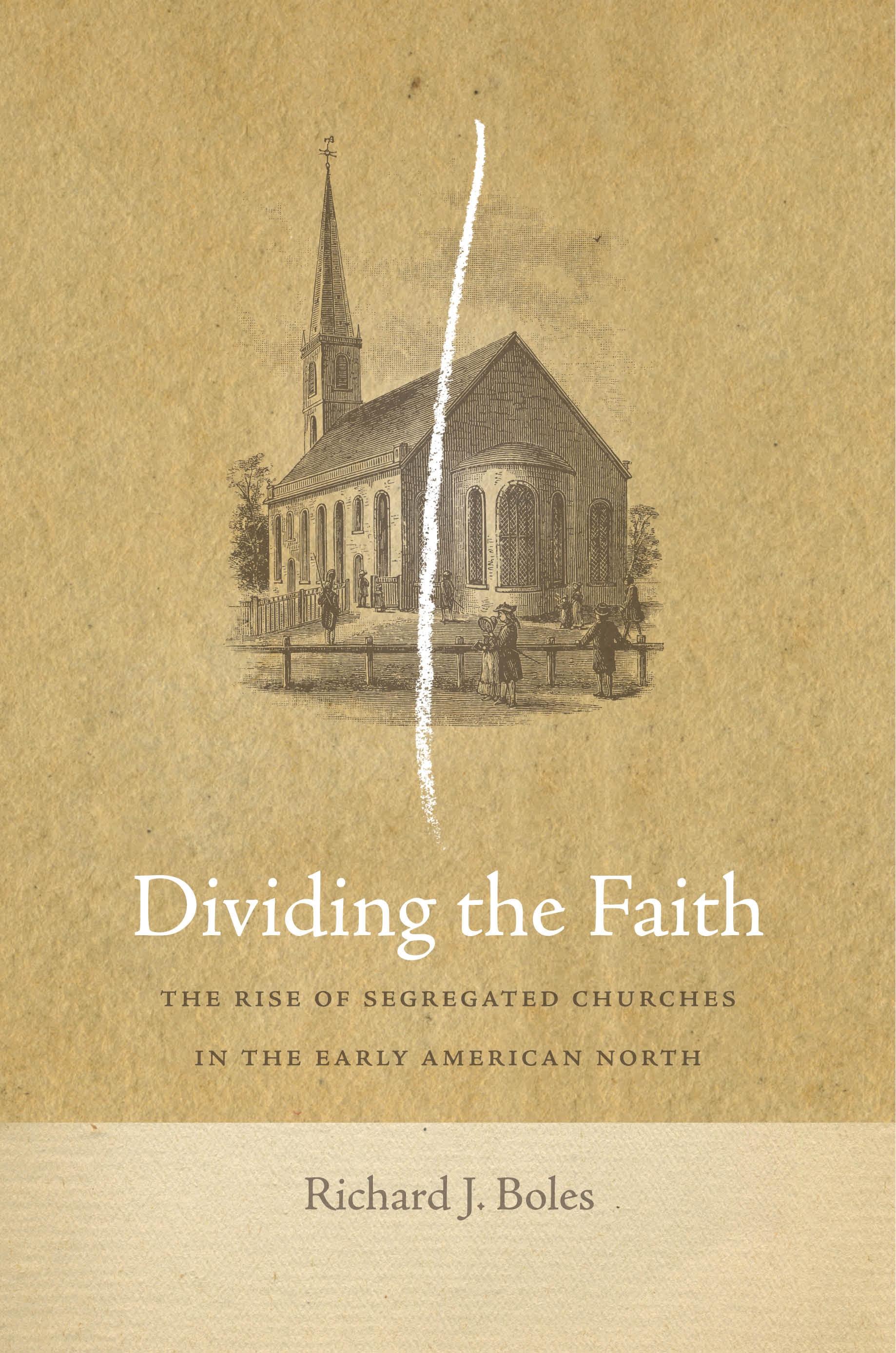
Wheatley remains the most famous black Christian of the colonial era. Though her experiences and accomplishments were unique, her religious affiliation with a predominantly white church was quite ordinary. Dividing the Faith argues that, contrary to the traditional scholarly consensus, a significant portion of northern Protestants worshipped in interracial contexts during the eighteenth century. Yet in another fifty years, such an affiliation would become increasingly rare as churches were by-and-large segregated.
Richard Boles draws from the records of over four hundred congregations to scrutinize the factors that made different Christian traditions either accessible or inaccessible to African American and American Indian peoples. By including Indians, Afro-Indians, and black people in the study of race and religion in the North, this research breaks new ground and uses patterns of church participation to illuminate broader social histories. Overall, it explains the dynamic history of racial integration and segregation in northern colonies and states.
Before Memmo my notes were scattered across PDFs. Now a workspace pulls everything into one place — I see exactly what's still left to study.
Memmo's summaries are gold before exams. I don't have to re-read 800 pages two weeks before — just the important parts.
The AI chat has saved me the night before an exam more than once. I just keep asking until I get it — no waiting on a study group to reply.
The quizzes hit exactly what I need to know. Memmo tracks what I get stuck on — so I only practice what's worth it.
Flashcards with spaced repetition are magic. Memmo knows when I'm about to forget something and brings it back.
The AI podcasts are my favorite. I listen on my way to school and get a recap without sitting at a computer.

Handbok i kvalitativa metoder
281 kr

Hållbar utveckling: en introduktion för ingenjörer och andra problemlösare
334 kr

Brymans Samhällsvetenskapliga metoder
390 kr

Projektledning
491 kr

Den orättvisa hälsan: om socioekonomiska skillnader i hälsa och livslängd
326 kr

Organizational Leadership
429 kr

Vetenskapsteori för nybörjare
196 kr

På väg mot läraryrket
172 kr

Det sociala livet i skolan: Socialpsykologiska perspektiv
253 kr

Betygsättningens didaktik
151 kr

Personality
402 kr

Studying Leadership
404 kr

Managing Innovation
477 kr

Introduktion till samhällsvetenskaplig metod
347 kr

The Psychology of Sex and Gender
698 kr

Evidens och kunskap för socialt arbete
207 kr

Introduction to Leadership
605 kr