
Before Memmo my notes were scattered across PDFs. Now a workspace pulls everything into one place — I see exactly what's still left to study.
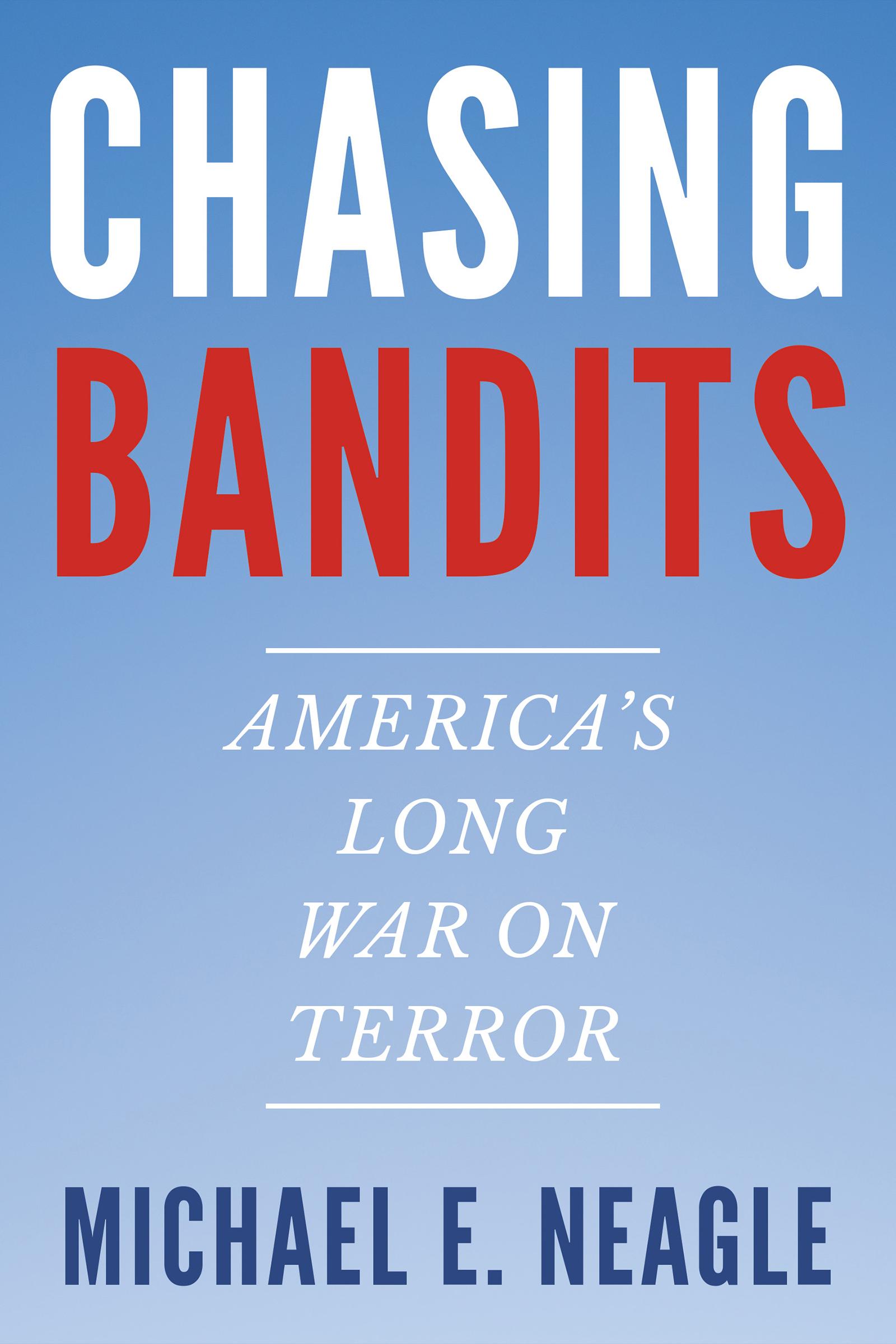
While the war on terror has been America’s largest and most publicized attempt to root out foreign enemies this century, the quest to identify and destroy real or imagined threats to national security has long been a part of US history. Indeed, since the onset of the United States' overseas empire at the dawn of the twentieth century, it has pursued enemies in places of strategic interest around the globe: the remote islands of the Philippines, the US southern border, hemispheric hot spots in Central and South America, and the greater Middle East.
The common depiction of these kinds of foes—private actors who did not formally represent the countries they fought for—has maintained a remarkable consistency over time. The only difference is that enemies who used to be called “bandits” then are now more often referred to as “terrorists.” The widespread use of such terms, which connote an illegitimacy of both cause and means, also has served to blunt deeper considerations of US foreign engagements. Drawing on six case studies, Michael E. Neagle spotlights the commonalities of how the United States has leveraged popular understandings of “bandits” to justify incursions abroad as well as rally popular and political support at home.
Before Memmo my notes were scattered across PDFs. Now a workspace pulls everything into one place — I see exactly what's still left to study.
Memmo's summaries are gold before exams. I don't have to re-read 800 pages two weeks before — just the important parts.
The AI chat has saved me the night before an exam more than once. I just keep asking until I get it — no waiting on a study group to reply.
The quizzes hit exactly what I need to know. Memmo tracks what I get stuck on — so I only practice what's worth it.
Flashcards with spaced repetition are magic. Memmo knows when I'm about to forget something and brings it back.
The AI podcasts are my favorite. I listen on my way to school and get a recap without sitting at a computer.

Handbok i kvalitativa metoder
281 kr

Hållbar utveckling: en introduktion för ingenjörer och andra problemlösare
334 kr

Brymans Samhällsvetenskapliga metoder
390 kr

Projektledning
491 kr

Den orättvisa hälsan: om socioekonomiska skillnader i hälsa och livslängd
326 kr

Vetenskapsteori för nybörjare
196 kr

Organizational Leadership
429 kr

På väg mot läraryrket
172 kr

Det sociala livet i skolan: Socialpsykologiska perspektiv
253 kr

Betygsättningens didaktik
151 kr

Personality
402 kr

Studying Leadership
404 kr

Managing Innovation
477 kr

Introduktion till samhällsvetenskaplig metod
347 kr

The Psychology of Sex and Gender
698 kr

Evidens och kunskap för socialt arbete
207 kr

Introduction to Leadership
605 kr