
Before Memmo my notes were scattered across PDFs. Now a workspace pulls everything into one place — I see exactly what's still left to study.
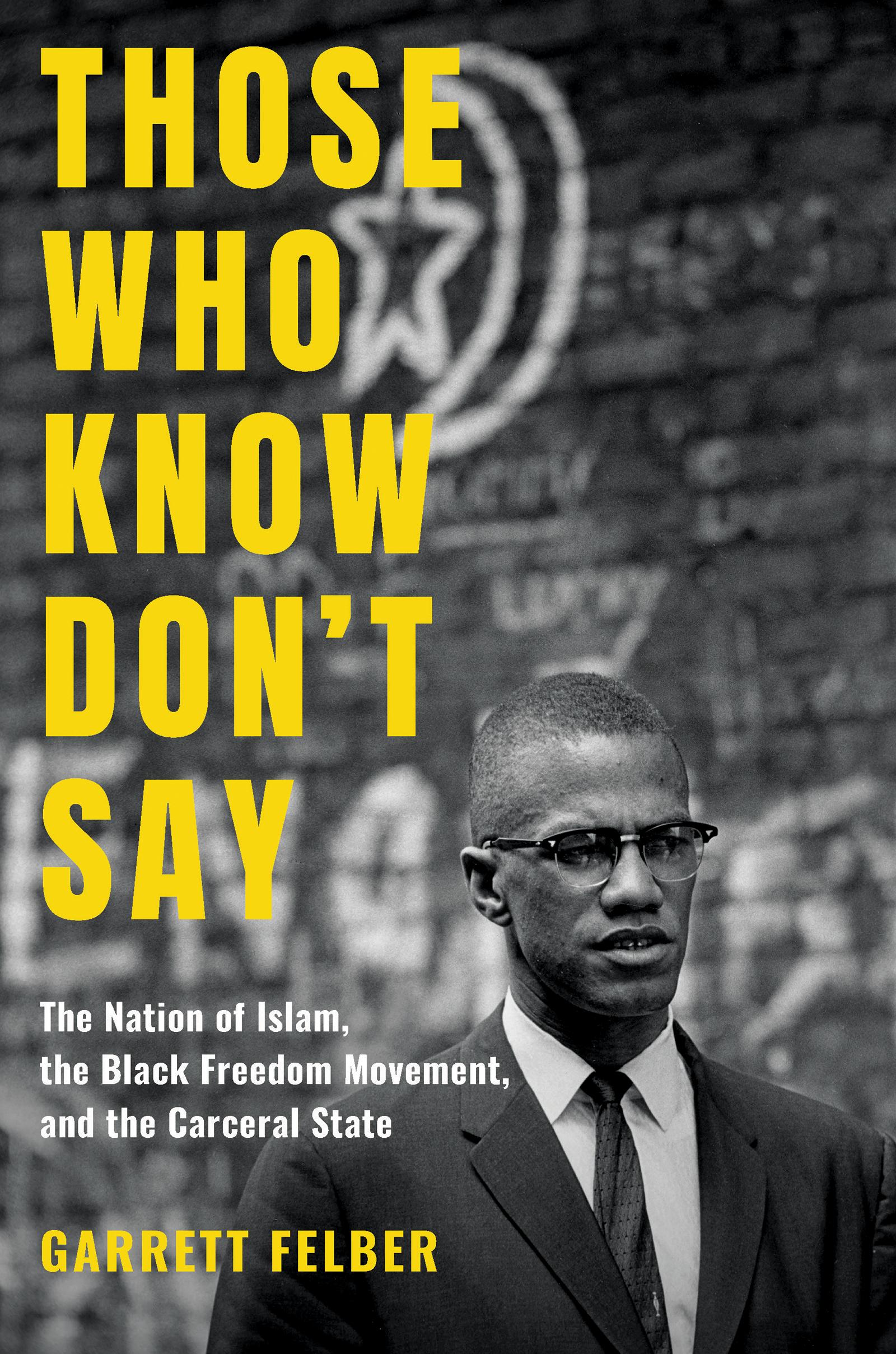
Challenging incarceration and policing was central to the postwar Black Freedom Movement. In this bold new political and intellectual history of the Nation of Islam, Garrett Felber centers the Nation in the Civil Rights Era and the making of the modern carceral state. In doing so, he reveals a multifaceted freedom struggle that focused as much on policing and prisons as on school desegregation and voting rights. The book examines efforts to build broad-based grassroots coalitions among liberals, radicals, and nationalists to oppose the carceral state and struggle for local Black self-determination. It captures the ambiguous place of the Nation of Islam specifically, and Black nationalist organizing more broadly, during an era which has come to be defined by nonviolent resistance, desegregation campaigns, and racial liberalism.
By provocatively documenting the interplay between law enforcement and Muslim communities, Felber decisively shows how state repression and Muslim organizing laid the groundwork for the modern carceral state and the contemporary prison abolition movement which opposes it. Exhaustively researched, the book illuminates new sites and forms of political struggle as Muslims prayed under surveillance in prison yards and used courtroom political theater to put the state on trial. This history captures familiar figures in new ways — Malcolm X the courtroom lawyer and A. Philip Randolph the Harlem coalition builder — while highlighting the forgotten organizing of rank-and-file activists in prisons such as Martin Sostre. This definitive account is an urgent reminder that Islamophobia, state surveillance, and police violence have deep roots in the state repression of Black communities during the mid-20th century.
Before Memmo my notes were scattered across PDFs. Now a workspace pulls everything into one place — I see exactly what's still left to study.
Memmo's summaries are gold before exams. I don't have to re-read 800 pages two weeks before — just the important parts.
The AI chat has saved me the night before an exam more than once. I just keep asking until I get it — no waiting on a study group to reply.
The quizzes hit exactly what I need to know. Memmo tracks what I get stuck on — so I only practice what's worth it.
Flashcards with spaced repetition are magic. Memmo knows when I'm about to forget something and brings it back.
The AI podcasts are my favorite. I listen on my way to school and get a recap without sitting at a computer.

Handbok i kvalitativa metoder
281 kr

Hållbar utveckling: en introduktion för ingenjörer och andra problemlösare
334 kr

Brymans Samhällsvetenskapliga metoder
390 kr

Projektledning
491 kr

Den orättvisa hälsan: om socioekonomiska skillnader i hälsa och livslängd
326 kr

Vetenskapsteori för nybörjare
196 kr

Organizational Leadership
429 kr

På väg mot läraryrket
172 kr

Det sociala livet i skolan: Socialpsykologiska perspektiv
253 kr

Betygsättningens didaktik
151 kr

Personality
402 kr

Studying Leadership
404 kr

Managing Innovation
477 kr

Introduktion till samhällsvetenskaplig metod
347 kr

The Psychology of Sex and Gender
698 kr

Evidens och kunskap för socialt arbete
207 kr

Introduction to Leadership
605 kr