
Before Memmo my notes were scattered across PDFs. Now a workspace pulls everything into one place — I see exactly what's still left to study.
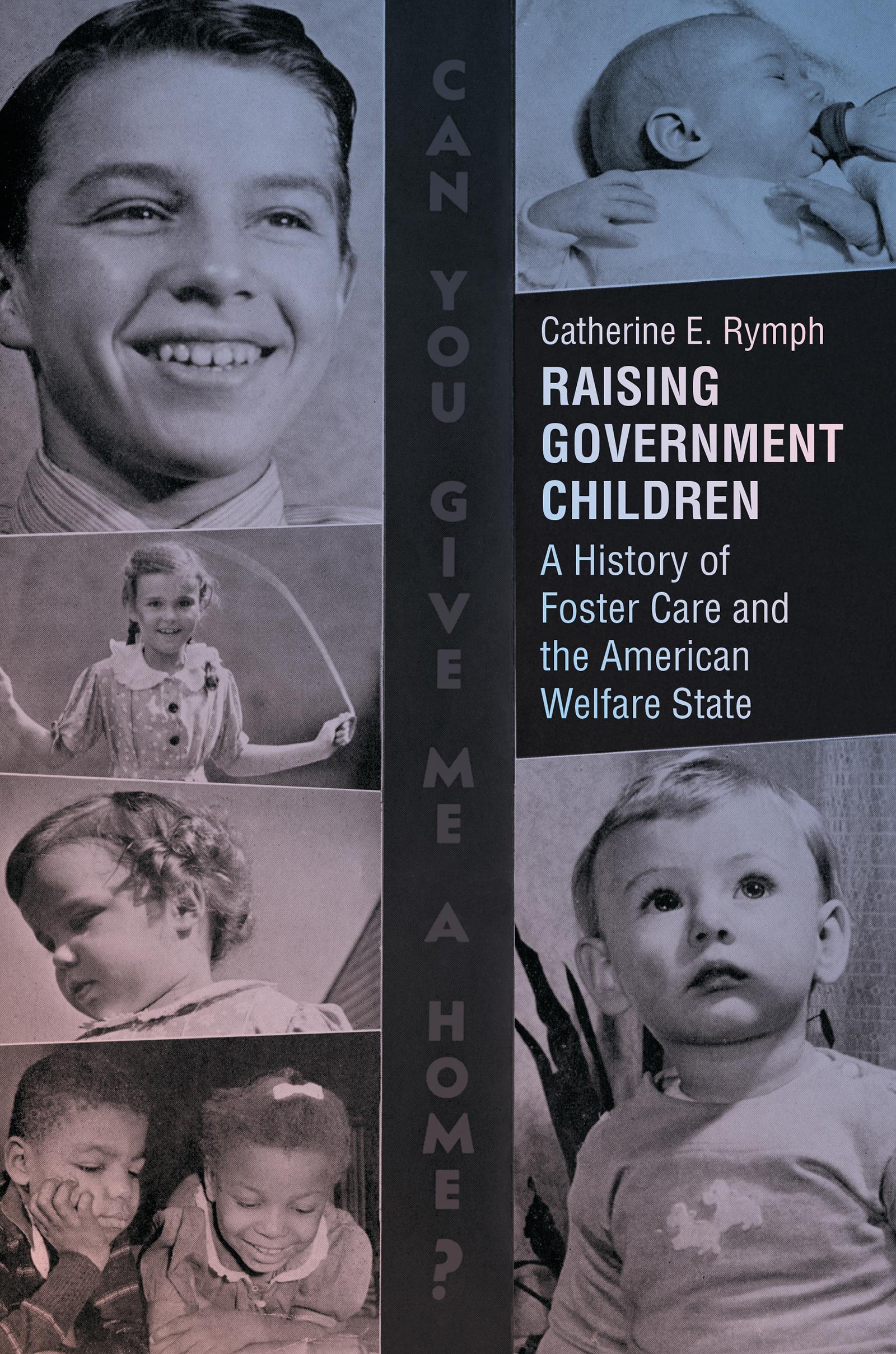
In the 1930s, buoyed by the potential of the New Deal, child welfare reformers hoped to formalize and modernize their methods, partly through professional casework but more importantly through the loving care of temporary, substitute families. Today, however, the foster care system is widely criticized for failing the children and families it is intended to help. How did a vision of dignified services become virtually synonymous with the breakup of poor families and a disparaged form of “welfare” that stigmatizes the women who provide it, the children who receive it, and their families?
Tracing the evolution of the modern American foster care system from its inception in the 1930s through the 1970s, Catherine Rymph argues that deeply gendered, domestic ideals, implicit assumptions about the relative value of poor children, and the complex public/private nature of American welfare provision fueled the cultural resistance to funding maternal and parental care. What emerged was a system of public social provision that was actually subsidized by foster families themselves, most of whom were concentrated toward the socioeconomic lower half, much like the children they served. Analyzing the ideas, debates, and policies surrounding foster care and foster parents’ relationship to public welfare, Rymph reveals the framework for the building of the foster care system and draws out its implications for today’s child support networks.
Before Memmo my notes were scattered across PDFs. Now a workspace pulls everything into one place — I see exactly what's still left to study.
Memmo's summaries are gold before exams. I don't have to re-read 800 pages two weeks before — just the important parts.
The AI chat has saved me the night before an exam more than once. I just keep asking until I get it — no waiting on a study group to reply.
The quizzes hit exactly what I need to know. Memmo tracks what I get stuck on — so I only practice what's worth it.
Flashcards with spaced repetition are magic. Memmo knows when I'm about to forget something and brings it back.
The AI podcasts are my favorite. I listen on my way to school and get a recap without sitting at a computer.

Handbok i kvalitativa metoder
281 kr

Hållbar utveckling: en introduktion för ingenjörer och andra problemlösare
334 kr

Brymans Samhällsvetenskapliga metoder
390 kr

Projektledning
491 kr

Den orättvisa hälsan: om socioekonomiska skillnader i hälsa och livslängd
326 kr

Vetenskapsteori för nybörjare
196 kr

Organizational Leadership
429 kr

På väg mot läraryrket
172 kr

Det sociala livet i skolan: Socialpsykologiska perspektiv
253 kr

Betygsättningens didaktik
151 kr

Personality
402 kr

Studying Leadership
404 kr

Managing Innovation
477 kr

Introduktion till samhällsvetenskaplig metod
347 kr

The Psychology of Sex and Gender
698 kr

Evidens och kunskap för socialt arbete
207 kr

Introduction to Leadership
605 kr