
Before Memmo my notes were scattered across PDFs. Now a workspace pulls everything into one place — I see exactly what's still left to study.
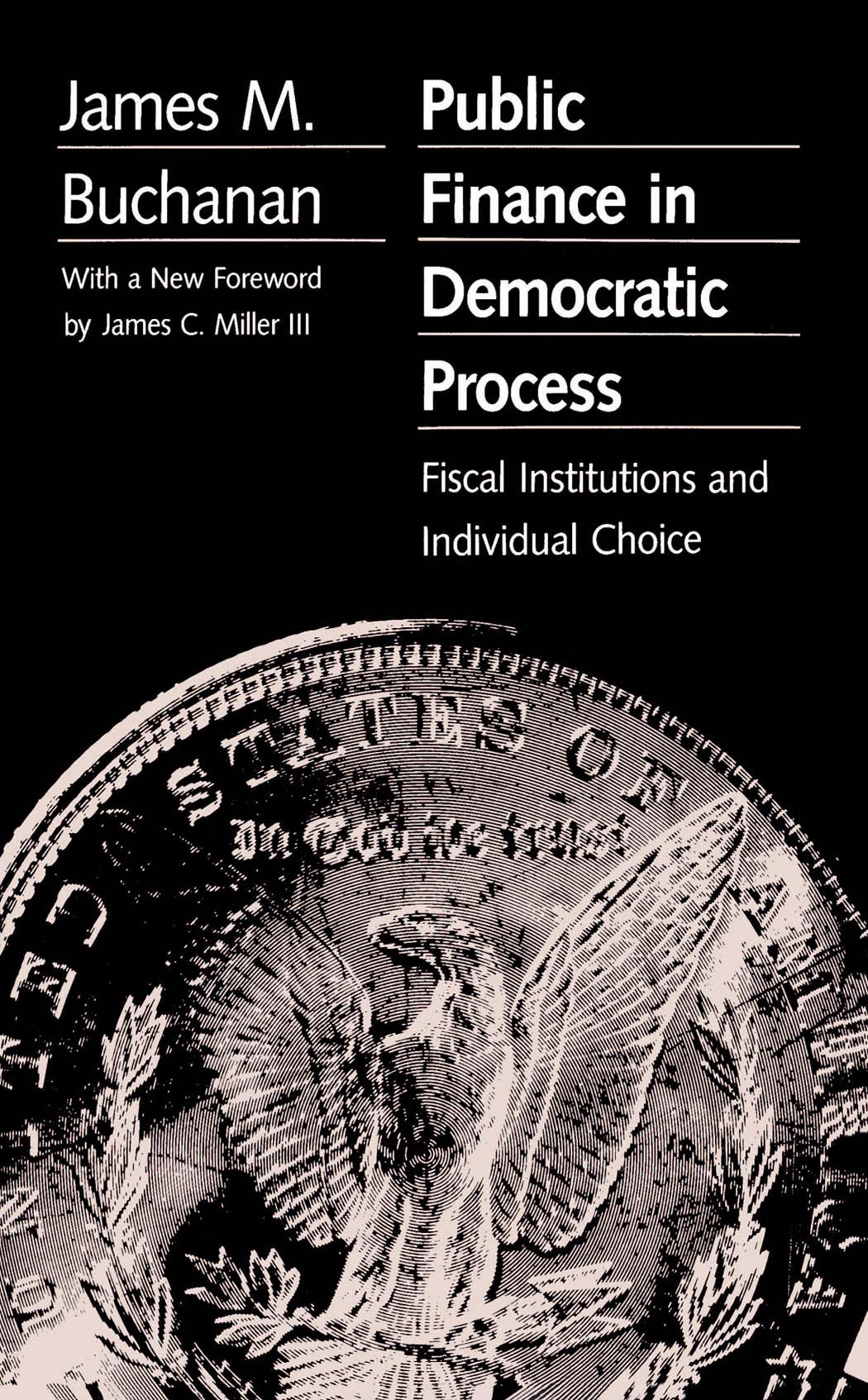
Studies of public finance, as traditionally developed, have analyzed the effects of fiscal institutions on the market-choice behavior of individuals and firms, but this book takes a different approach. It analyzes the effects of fiscal institutions on the political-choice behavior of individuals as they participate variously in the decision-making processes of democracies.
What effect will the form of a new tax have on individuals' attitudes toward more or less public spending? To what extent does the private sector — public sector mix depend on the way in which tax payments are made? How do the various taxes affect the fiscal consciousness of individual citizens? These are questions that have been ignored for the most part. They are, nonetheless, important and worthy of examination. This book is an attempt to provide some provisional answers. By the use of simplified models of existing tax institutions, Buchanan predicts the effects that these exert on individual behavior in the area of political choice. The relative effects of direct and indirect taxes, the “old tax — new tax” distinction, the effects of fiscal earmarking, the effects of unbalanced budgets — these are a few of the topics examined.
Before these questions can be fully answered, research must be conducted to find out just how much individuals know about the taxes they pay and the benefits they receive. Comparatively little research of this kind has been completed, but the author devotes a chapter to a careful review of the present state of this sort of research.
Individuals' choice among alternative fiscal institutions is examined in the second part of the book. If given the opportunity, how would the individual choose to pay his or her taxes? Progressive income taxes, excise taxes, and public debt are analyzed in terms of this question.
Because of its interdisciplinary approach, this imaginative study will be of interest to both economists and political scientists.
Before Memmo my notes were scattered across PDFs. Now a workspace pulls everything into one place — I see exactly what's still left to study.
Memmo's summaries are gold before exams. I don't have to re-read 800 pages two weeks before — just the important parts.
The AI chat has saved me the night before an exam more than once. I just keep asking until I get it — no waiting on a study group to reply.
The quizzes hit exactly what I need to know. Memmo tracks what I get stuck on — so I only practice what's worth it.
Flashcards with spaced repetition are magic. Memmo knows when I'm about to forget something and brings it back.
The AI podcasts are my favorite. I listen on my way to school and get a recap without sitting at a computer.

Handbok i kvalitativa metoder
281 kr

Hållbar utveckling: en introduktion för ingenjörer och andra problemlösare
334 kr

Brymans Samhällsvetenskapliga metoder
390 kr

Projektledning
491 kr

Den orättvisa hälsan: om socioekonomiska skillnader i hälsa och livslängd
326 kr

Vetenskapsteori för nybörjare
196 kr

Organizational Leadership
429 kr

På väg mot läraryrket
172 kr

Det sociala livet i skolan: Socialpsykologiska perspektiv
253 kr

Betygsättningens didaktik
151 kr

Personality
402 kr

Studying Leadership
404 kr

Managing Innovation
477 kr

Introduktion till samhällsvetenskaplig metod
347 kr

The Psychology of Sex and Gender
698 kr

Evidens och kunskap för socialt arbete
207 kr

Introduction to Leadership
605 kr