
Before Memmo my notes were scattered across PDFs. Now a workspace pulls everything into one place — I see exactly what's still left to study.
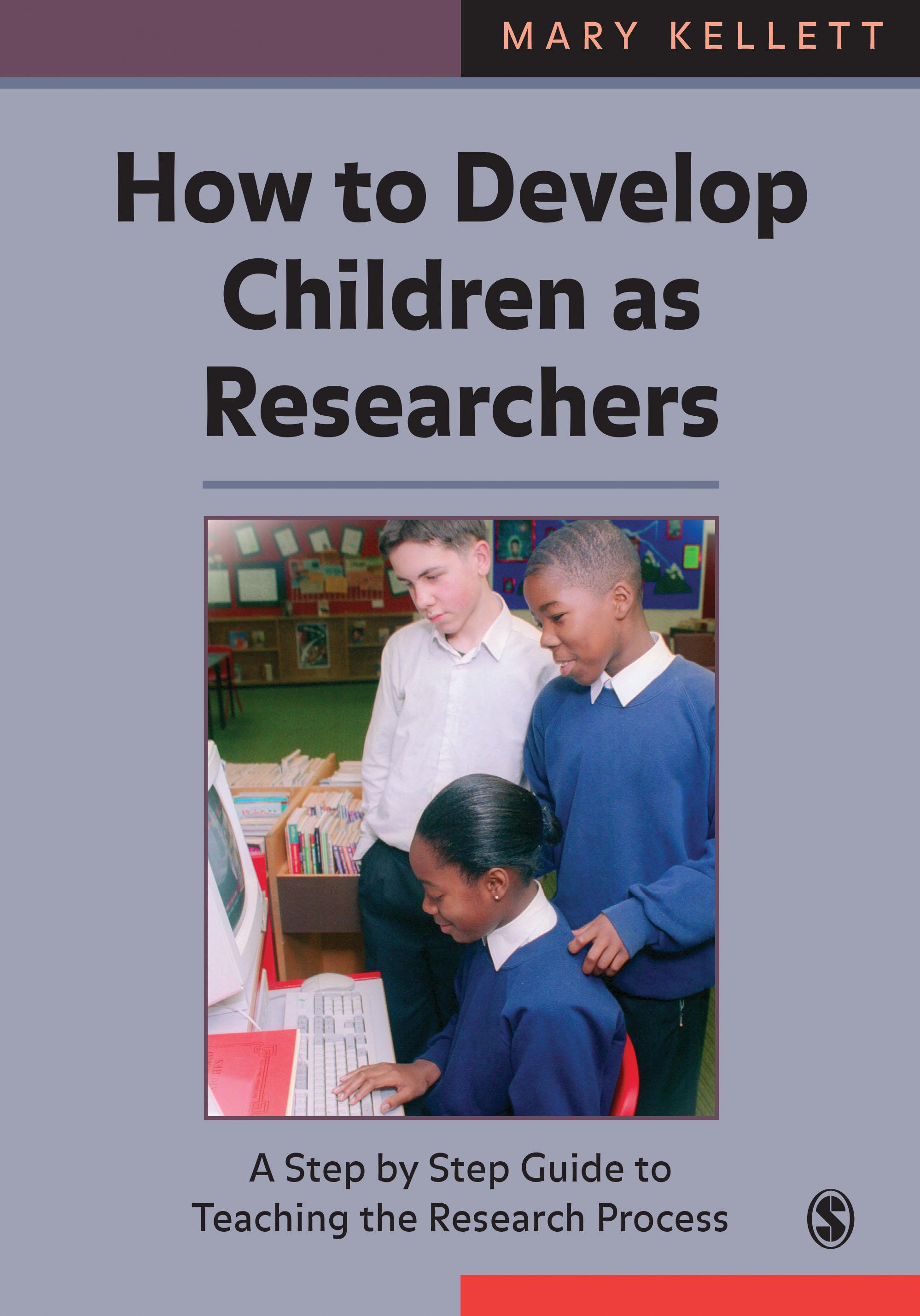
Each chapter outlines the learning outcomes, has a timed teaching content, and suggests a core activity; it also suggests differentiation and includes some simple ′games′. It is fully supported by photocopiable resources, making it a complete programme of work.
Although written for a specific age group, this is such an excellent basic guide, it would be of use to anyone conducting research for the first time′ - Eve Wilson, Education Consultant, National Association for Gifted Children
′This inspirational and innovative programme will be welcomed by all those who want to teach research skills to children. Clear discussion notes, activities and games provide everything a busy teacher needs to be able to deliver the programme. No prior knowledge of research is necessary. This is an ideal resource for those who want to offer pupils the opportunity to make their voice heard through the research process′ - Dr. Ruth MacConville, Head of SENS, London Borough of Ealing
′An excellent book... a very informative guide to supporting teachers in delivering a comprehensive research training package to children and young people′ - Children & Society
Why teach research methodology to children?
An effective and meaningful way of enhancing children′s learning, doing research, empowers children to participate actively in their own education and to make original contributions to knowledge. The research carried out by children is also a vital key to improving our own understanding of children and childhood.
This book′s unique child-centred perspective provides an easy-to-follow model for teaching research methodology to children aged 10 and upwards. Packed with practical tips and photocopiable resources for the classroom, each chapter contains:
" a core activity designed to distil the teaching content and engage children with the main learning objectives
" ideas for supplementary activities and games
" follow-up homework
" mini boxed glossaries containing key research terms and their definitions
" and suggestions for further reading.
Key topics covered include: research design, data collection techniques, data analysis, dissemination, and children as active researchers.
Before Memmo my notes were scattered across PDFs. Now a workspace pulls everything into one place — I see exactly what's still left to study.
Memmo's summaries are gold before exams. I don't have to re-read 800 pages two weeks before — just the important parts.
The AI chat has saved me the night before an exam more than once. I just keep asking until I get it — no waiting on a study group to reply.
The quizzes hit exactly what I need to know. Memmo tracks what I get stuck on — so I only practice what's worth it.
Flashcards with spaced repetition are magic. Memmo knows when I'm about to forget something and brings it back.
The AI podcasts are my favorite. I listen on my way to school and get a recap without sitting at a computer.

Handbok i kvalitativa metoder
281 kr

Hållbar utveckling: en introduktion för ingenjörer och andra problemlösare
334 kr

Brymans Samhällsvetenskapliga metoder
390 kr

Projektledning
491 kr

Den orättvisa hälsan: om socioekonomiska skillnader i hälsa och livslängd
326 kr

Vetenskapsteori för nybörjare
196 kr

Organizational Leadership
429 kr

På väg mot läraryrket
172 kr

Det sociala livet i skolan: Socialpsykologiska perspektiv
253 kr

Betygsättningens didaktik
151 kr

Personality
402 kr

Studying Leadership
404 kr

Managing Innovation
477 kr

Introduktion till samhällsvetenskaplig metod
347 kr

The Psychology of Sex and Gender
698 kr

Evidens och kunskap för socialt arbete
207 kr

Introduction to Leadership
605 kr