
Before Memmo my notes were scattered across PDFs. Now a workspace pulls everything into one place — I see exactly what's still left to study.
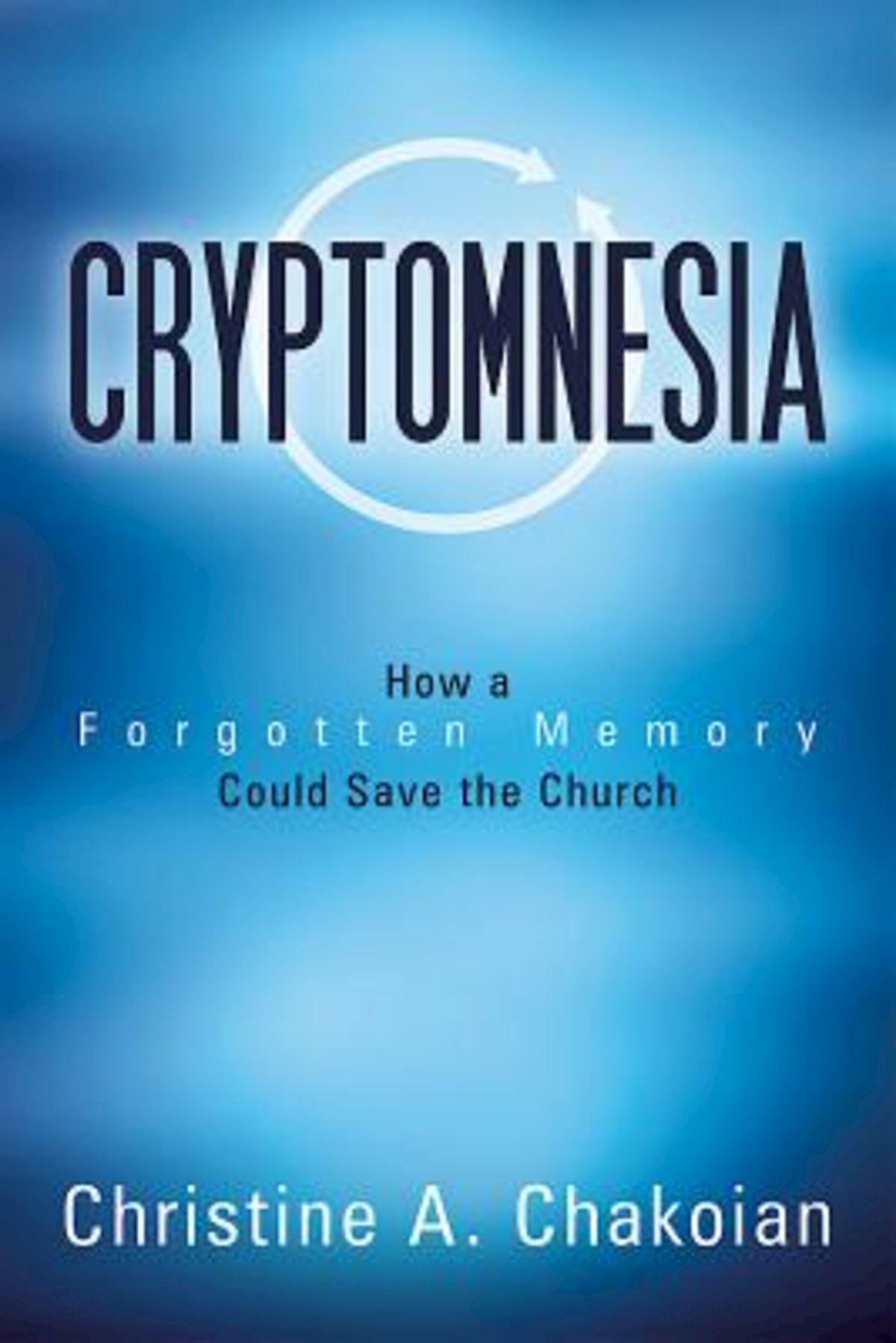
How can we Christians move forward, when our very existence seems imperiled? We already know the way, for we've been through this before. But we have forgotten; we have cryptomnesia. Cryptomnesia is the reappearance of a suppressed or forgotten memory which is mistaken for a new experience. (Collins English Dictionary). The world is changing, and it is changing fast. Social media friendships, global commerce, online education, populist uprisings, e-books, and smartphones are just a sample of the Internet’s growing impact on our lives. Americans are rapidly becoming more mobile, worldly, and secular—all while it feels like the church we know is being left behind. Growing numbers of “spiritual but not religious” show disinterest in church, and mainline churches fear imminent demise. How do we find a way forward? Ironically, by looking backward. We are not the first to experience globalization. In fact, the early church emerged in an age of globalization—the product of the Greco-Roman Empire and its mammoth road-building efforts on three continents. People were connected in ways they had never experienced: Roman citizens were bombarded with new cultures, new commerce, new foods, new ideas, new philosophies, new religions. It was an era of massive dislocation, and at the same time, exactly the right environment for Christianity to emerge and thrive.
“What makes this book so worth reading and discussing is the way our current religious reality in post-Christendom America is a repeat of what the earliest Christians experienced in the Roman Empire. Relearning our past not only gives us courage; it gives us tools for confronting the present and living into a new future. …We have a hidden memory we desperately need to rediscover. I believe the Holy Spirit is at work in our recovery from biblical, theological and historical amnesia.” –Bishop Mike Lowry, Fort Worth Episcopal Area, The United Methodist Church
Before Memmo my notes were scattered across PDFs. Now a workspace pulls everything into one place — I see exactly what's still left to study.
Memmo's summaries are gold before exams. I don't have to re-read 800 pages two weeks before — just the important parts.
The AI chat has saved me the night before an exam more than once. I just keep asking until I get it — no waiting on a study group to reply.
The quizzes hit exactly what I need to know. Memmo tracks what I get stuck on — so I only practice what's worth it.
Flashcards with spaced repetition are magic. Memmo knows when I'm about to forget something and brings it back.
The AI podcasts are my favorite. I listen on my way to school and get a recap without sitting at a computer.

Handbok i kvalitativa metoder
281 kr

Hållbar utveckling: en introduktion för ingenjörer och andra problemlösare
334 kr

Brymans Samhällsvetenskapliga metoder
390 kr

Projektledning
491 kr

Den orättvisa hälsan: om socioekonomiska skillnader i hälsa och livslängd
326 kr

Organizational Leadership
429 kr

Vetenskapsteori för nybörjare
196 kr

På väg mot läraryrket
172 kr

Det sociala livet i skolan: Socialpsykologiska perspektiv
253 kr

Betygsättningens didaktik
151 kr

Personality
402 kr

Studying Leadership
404 kr

Managing Innovation
477 kr

Introduktion till samhällsvetenskaplig metod
347 kr

The Psychology of Sex and Gender
698 kr

Evidens och kunskap för socialt arbete
207 kr

Introduction to Leadership
605 kr