
Before Memmo my notes were scattered across PDFs. Now a workspace pulls everything into one place — I see exactly what's still left to study.
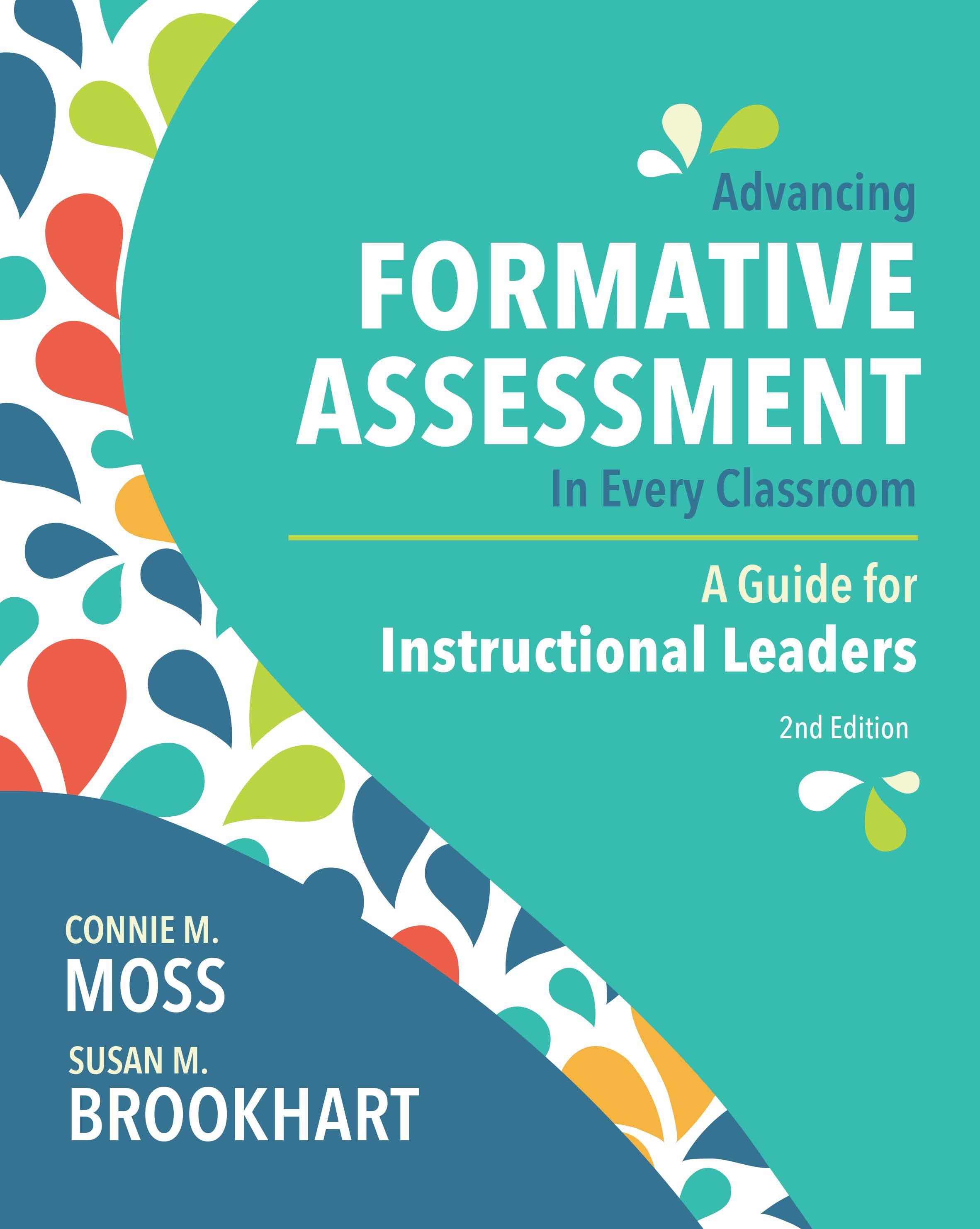
Formative assessment is one of the best ways to increase student learning and enhance teacher quality. But effective formative assessment is not part of most classrooms, largely because teachers misunderstand what it is and don't have the necessary skills to implement it.
In the updated 2nd edition of this practical guide for school leaders, authors Connie M. Moss and Susan M. Brookhart define formative assessment as an active, continual process in which teachers and students work together—every day, every minute—to gather evidence of learning, always keeping in mind three guiding questions: Where am I going? Where am I now? What strategy or strategies can help me get to where I need to go?
Chapters focus on the six interrelated elements of formative assessment: (1) shared learning targets and criteria for success, (2) feedback that feeds learning forward, (3) student self-assessment and peer assessment, (4) student goal setting, (5) strategic teacher questioning, and (6) student engagement in asking effective questions.
Using specific examples based on their extensive work with teachers, the authors provide
- Strategic talking points and conversation starters to address common misconceptions about formative assessment;
- Practical classroom strategies to share with teachers that cultivate students as self-regulated, assessment-capable learners;
- Ways to model the elements of formative assessment in conversations with teachers about their professional learning;
- "What if" scenarios and advice for how to deal with them; and
- Questions for reflection to gauge understanding and progress.
As Moss and Brookhart emphasize, the goal is not to "do" formative assessment, but to embrace a major cultural change that moves away from teacher-led instruction to a partnership of intentional inquiry between student and teacher, with better teaching and learning as the outcome.
Before Memmo my notes were scattered across PDFs. Now a workspace pulls everything into one place — I see exactly what's still left to study.
Memmo's summaries are gold before exams. I don't have to re-read 800 pages two weeks before — just the important parts.
The AI chat has saved me the night before an exam more than once. I just keep asking until I get it — no waiting on a study group to reply.
The quizzes hit exactly what I need to know. Memmo tracks what I get stuck on — so I only practice what's worth it.
Flashcards with spaced repetition are magic. Memmo knows when I'm about to forget something and brings it back.
The AI podcasts are my favorite. I listen on my way to school and get a recap without sitting at a computer.

Handbok i kvalitativa metoder
281 kr

Hållbar utveckling: en introduktion för ingenjörer och andra problemlösare
334 kr

Brymans Samhällsvetenskapliga metoder
390 kr

Projektledning
491 kr

Den orättvisa hälsan: om socioekonomiska skillnader i hälsa och livslängd
326 kr

Organizational Leadership
429 kr

Vetenskapsteori för nybörjare
196 kr

På väg mot läraryrket
172 kr

Det sociala livet i skolan: Socialpsykologiska perspektiv
253 kr

Betygsättningens didaktik
151 kr

Personality
402 kr

Studying Leadership
404 kr

Managing Innovation
477 kr

Introduktion till samhällsvetenskaplig metod
347 kr

The Psychology of Sex and Gender
698 kr

Evidens och kunskap för socialt arbete
207 kr

Introduction to Leadership
605 kr