
Before Memmo my notes were scattered across PDFs. Now a workspace pulls everything into one place — I see exactly what's still left to study.
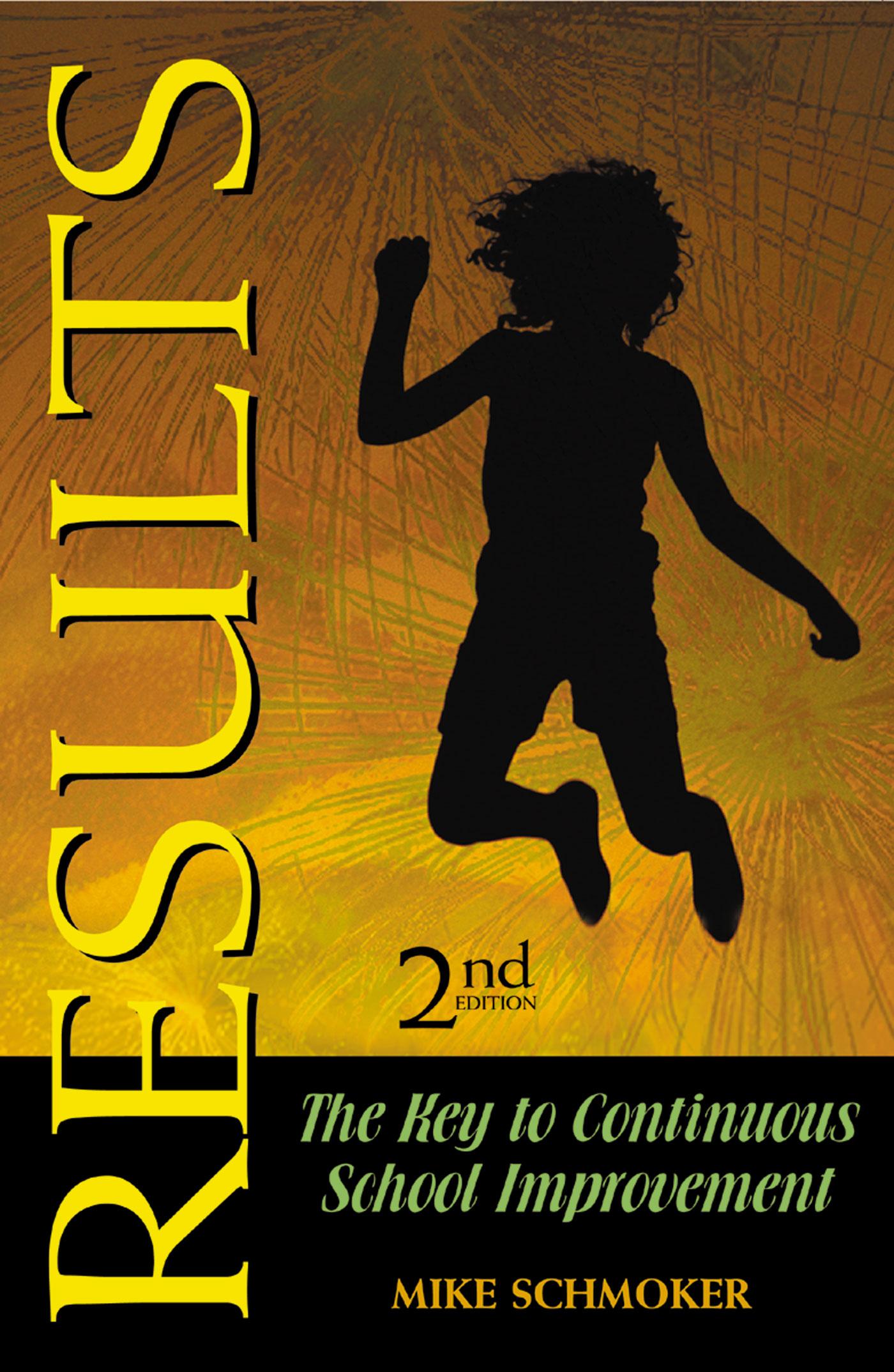
How do you know if your school is improving? Do you know what really works in reading programs...in writing...in math...in science? How do we measure what works? What about teaching to the test--or to the vast array of standards being mandated? How do we effectively use cooperative learning--and direct instruction--and alternative assessment? How do we sustain school reform? How do we get results--and measure them in terms of student achievement?
In this expanded 2nd edition of Results, Mike Schmoker answers these and other questions by focusing on student learning. By (1) setting goals, (2) working collaboratively, and (3) keeping track of student-achievement data from many sources, teachers and administrators can surpass the community's expectations and facilitate great improvements in student learning. Through hundreds of up-to-date examples from real schools and districts, Schmoker shows how to achieve--and celebrate--both short- and long-term success. Here's one example:
Bessemer Elementary school in Pueblo, Colorado, has an 80‑percent minority population. Between 1997 and 1998, the number of students performing at or above standard in reading rose from 12 to 64 percent; in writing, they went from 2 to 48 percent. Weekly, standards-focused, team meetings made the difference.
As Schmoker says, "We cannot afford to overlook the rich opportunity that schools have to make a difference."
This second edition of Results: The Key to Continuous School Improvement includes the following:
* a Foreword by Michael Fullan;
* a new Preface to the 2nd Edition by the author;
* new information about cooperative learning, direct instruction, standards and assessments, and research and development;
* new examples of successful schools;
* new educational research by Michael Fullan, Robert Marzano, Linda Darling‑Hammond, Bruce Joyce, Dennis Sparks, Linda Lambert, and Richard Dufour, among others;
* new information on action research--by teachers as well as administrators--and other effective staff development initiatives; and
* a new emphasis on cultivating teacher leaders--and how to do it.
Before Memmo my notes were scattered across PDFs. Now a workspace pulls everything into one place — I see exactly what's still left to study.
Memmo's summaries are gold before exams. I don't have to re-read 800 pages two weeks before — just the important parts.
The AI chat has saved me the night before an exam more than once. I just keep asking until I get it — no waiting on a study group to reply.
The quizzes hit exactly what I need to know. Memmo tracks what I get stuck on — so I only practice what's worth it.
Flashcards with spaced repetition are magic. Memmo knows when I'm about to forget something and brings it back.
The AI podcasts are my favorite. I listen on my way to school and get a recap without sitting at a computer.

Handbok i kvalitativa metoder
281 kr

Hållbar utveckling: en introduktion för ingenjörer och andra problemlösare
334 kr

Brymans Samhällsvetenskapliga metoder
390 kr

Projektledning
491 kr

Den orättvisa hälsan: om socioekonomiska skillnader i hälsa och livslängd
326 kr

Vetenskapsteori för nybörjare
196 kr

Organizational Leadership
429 kr

På väg mot läraryrket
172 kr

Det sociala livet i skolan: Socialpsykologiska perspektiv
253 kr

Betygsättningens didaktik
151 kr

Personality
402 kr

Studying Leadership
404 kr

Managing Innovation
477 kr

Introduktion till samhällsvetenskaplig metod
347 kr

The Psychology of Sex and Gender
698 kr

Evidens och kunskap för socialt arbete
207 kr

Introduction to Leadership
605 kr