
Before Memmo my notes were scattered across PDFs. Now a workspace pulls everything into one place — I see exactly what's still left to study.
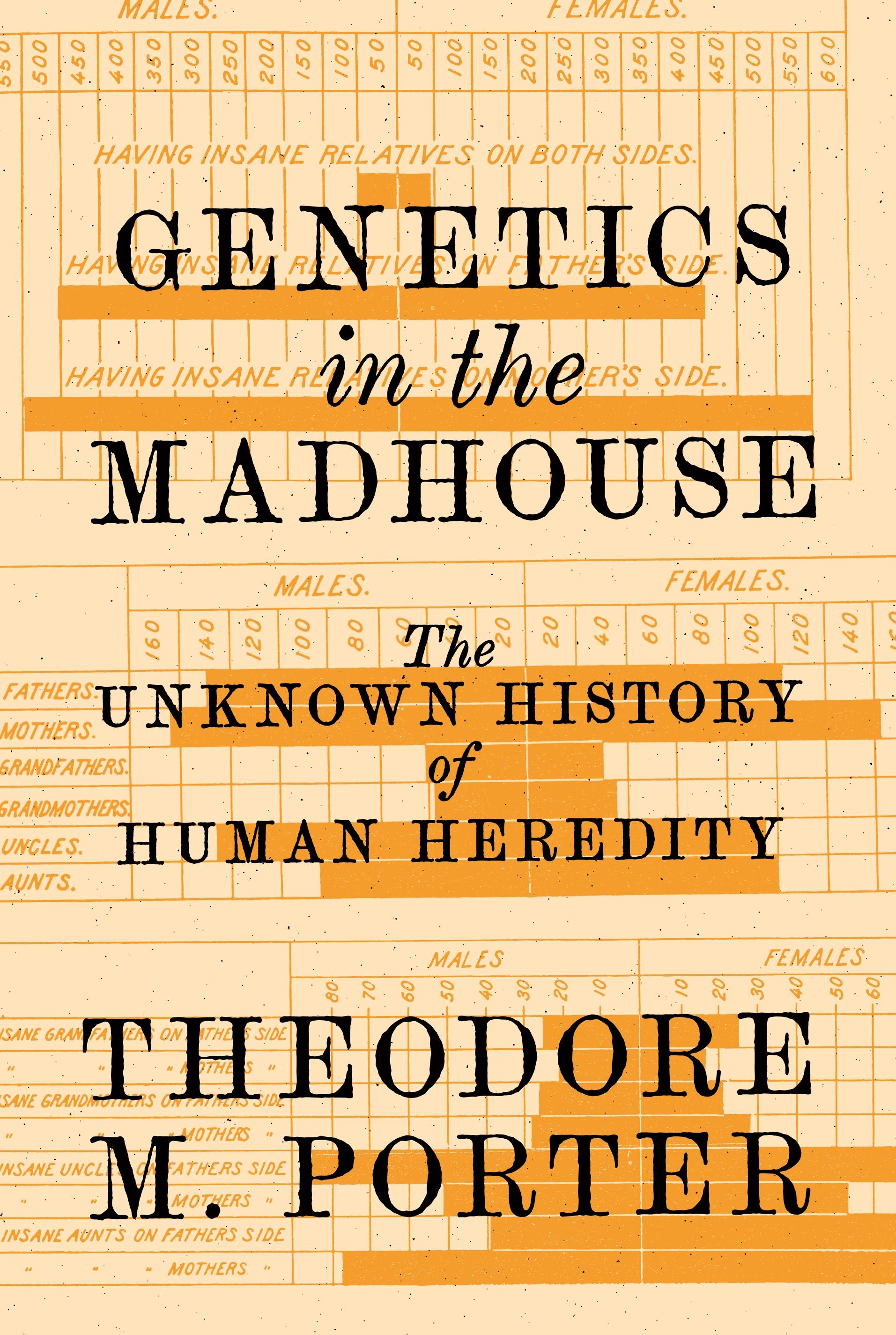
The untold story of how hereditary data in mental hospitals gave rise to the science of human heredity
In the early 1800s, a century before there was any concept of the gene, physicians in insane asylums began to record causes of madness in their admission books. Almost from the beginning, they pointed to heredity as the most important of these causes. As doctors and state officials steadily lost faith in the capacity of asylum care to stem the terrible increase of insanity, they began emphasizing the need to curb the reproduction of the insane. They became obsessed with identifying weak or tainted families and anticipating the outcomes of their marriages. Genetics in the Madhouse is the untold story of how the collection and sorting of hereditary data in mental hospitals, schools for "feebleminded" children, and prisons gave rise to a new science of human heredity.
In this compelling book, Theodore Porter draws on untapped archival evidence from across Europe and North America to bring to light the hidden history behind modern genetics. He looks at the institutional use of pedigree charts, censuses of mental illness, medical-social surveys, and other data techniques--innovative quantitative practices that were worked out in the madhouse long before the manipulation of DNA became possible in the lab. Porter argues that asylum doctors developed many of the ideologies and methods of what would come to be known as eugenics, and deepens our appreciation of the moral issues at stake in data work conducted on the border of subjectivity and science.
A bold rethinking of asylum work, Genetics in the Madhouse shows how heredity was a human science as well as a medical and biological one.
Before Memmo my notes were scattered across PDFs. Now a workspace pulls everything into one place — I see exactly what's still left to study.
Memmo's summaries are gold before exams. I don't have to re-read 800 pages two weeks before — just the important parts.
The AI chat has saved me the night before an exam more than once. I just keep asking until I get it — no waiting on a study group to reply.
The quizzes hit exactly what I need to know. Memmo tracks what I get stuck on — so I only practice what's worth it.
Flashcards with spaced repetition are magic. Memmo knows when I'm about to forget something and brings it back.
The AI podcasts are my favorite. I listen on my way to school and get a recap without sitting at a computer.

Handbok i kvalitativa metoder
281 kr

Hållbar utveckling: en introduktion för ingenjörer och andra problemlösare
334 kr

Brymans Samhällsvetenskapliga metoder
390 kr

Projektledning
491 kr

Den orättvisa hälsan: om socioekonomiska skillnader i hälsa och livslängd
326 kr

Vetenskapsteori för nybörjare
196 kr

Organizational Leadership
429 kr

På väg mot läraryrket
172 kr

Det sociala livet i skolan: Socialpsykologiska perspektiv
253 kr

Betygsättningens didaktik
151 kr

Personality
402 kr

Studying Leadership
404 kr

Managing Innovation
477 kr

Introduktion till samhällsvetenskaplig metod
347 kr

The Psychology of Sex and Gender
698 kr

Evidens och kunskap för socialt arbete
207 kr

Introduction to Leadership
605 kr