
Before Memmo my notes were scattered across PDFs. Now a workspace pulls everything into one place — I see exactly what's still left to study.
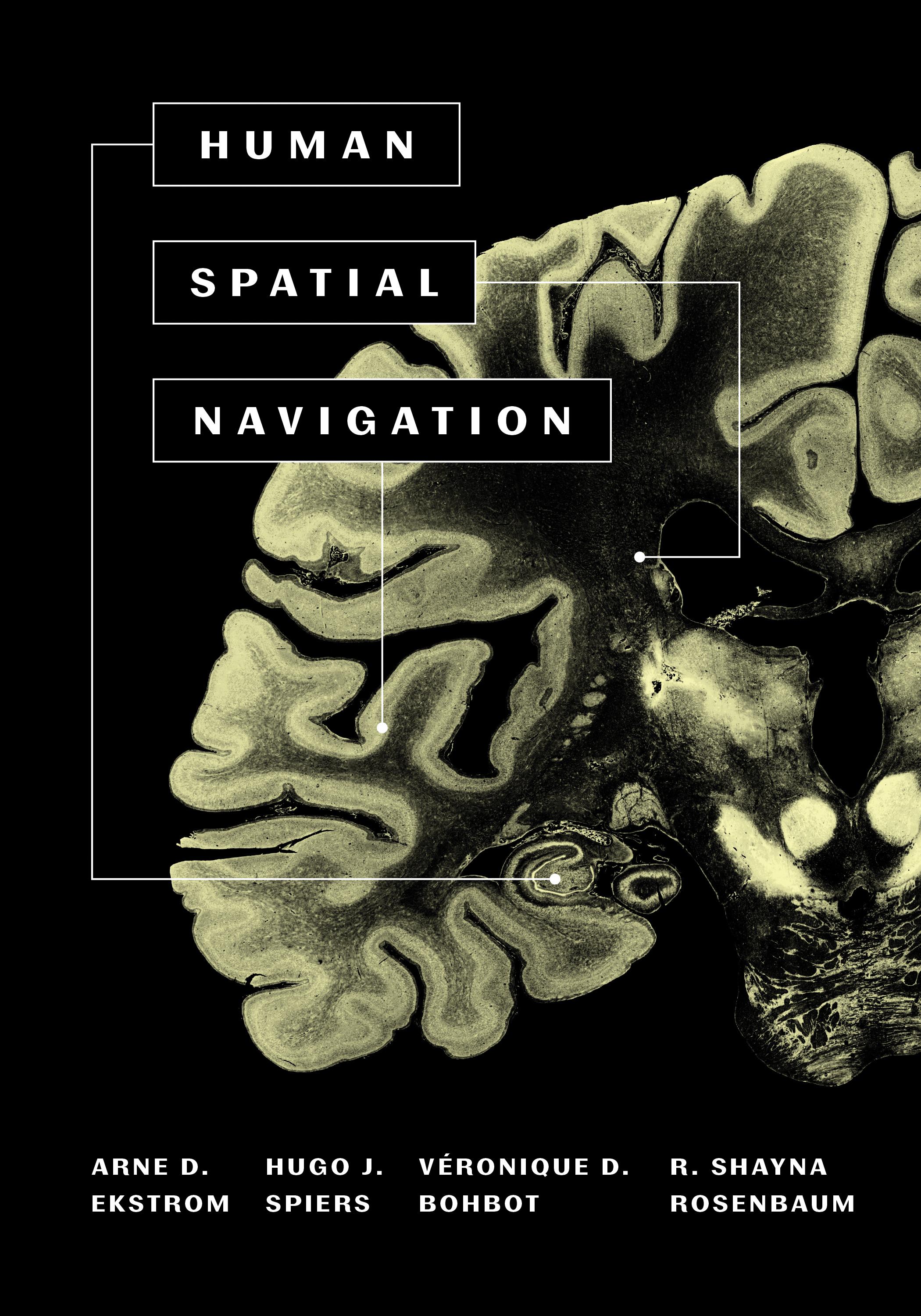
The first book to comprehensively explore the cognitive foundations of human spatial navigation
Humans possess a range of navigation and orientation abilities, from the ordinary to the extraordinary. All of us must move from one location to the next, following habitual routes and avoiding getting lost. While there is more to learn about how the brain underlies our ability to navigate, neuroscience and psychology have begun to converge on some important answers. In Human Spatial Navigation, four leading expertstackle fundamental and unique issues to produce the first book-length investigation into this subject.
Opening with the vivid story of Puluwat sailors who navigate in the open ocean with no mechanical aids, the authors begin by dissecting the behavioral basis of human spatial navigation. They then focus on its neural basis, describing neural recordings, brain imaging experiments, and patient studies. Recent advances give unprecedented insights into what is known about the cognitive map and the neural systems that facilitate navigation. The authors discuss how aging and diseases can impede navigation, and they introduce cutting-edge network models that show how the brain can act as a highly integrated system underlying spatial navigation. Throughout, the authors touch on fascinating examples of able navigators, from the Inuit of northern Canada to London taxi drivers, and they provide a critical lens into previous navigation research, which has primarily focused on other species, such as rodents.
An ideal book for students and researchers seeking an accessible introduction to this important topic, Human Spatial Navigation offers a rich look into spatial memory and the neuroscientific foundations for how we make our way in the world.
Before Memmo my notes were scattered across PDFs. Now a workspace pulls everything into one place — I see exactly what's still left to study.
Memmo's summaries are gold before exams. I don't have to re-read 800 pages two weeks before — just the important parts.
The AI chat has saved me the night before an exam more than once. I just keep asking until I get it — no waiting on a study group to reply.
The quizzes hit exactly what I need to know. Memmo tracks what I get stuck on — so I only practice what's worth it.
Flashcards with spaced repetition are magic. Memmo knows when I'm about to forget something and brings it back.
The AI podcasts are my favorite. I listen on my way to school and get a recap without sitting at a computer.

Handbok i kvalitativa metoder
281 kr

Hållbar utveckling: en introduktion för ingenjörer och andra problemlösare
334 kr

Brymans Samhällsvetenskapliga metoder
390 kr

Projektledning
491 kr

Den orättvisa hälsan: om socioekonomiska skillnader i hälsa och livslängd
326 kr

Organizational Leadership
429 kr

Vetenskapsteori för nybörjare
196 kr

På väg mot läraryrket
172 kr

Det sociala livet i skolan: Socialpsykologiska perspektiv
253 kr

Betygsättningens didaktik
151 kr

Personality
402 kr

Studying Leadership
404 kr

Managing Innovation
477 kr

Introduktion till samhällsvetenskaplig metod
347 kr

The Psychology of Sex and Gender
698 kr

Evidens och kunskap för socialt arbete
207 kr

Introduction to Leadership
605 kr