
Before Memmo my notes were scattered across PDFs. Now a workspace pulls everything into one place — I see exactly what's still left to study.
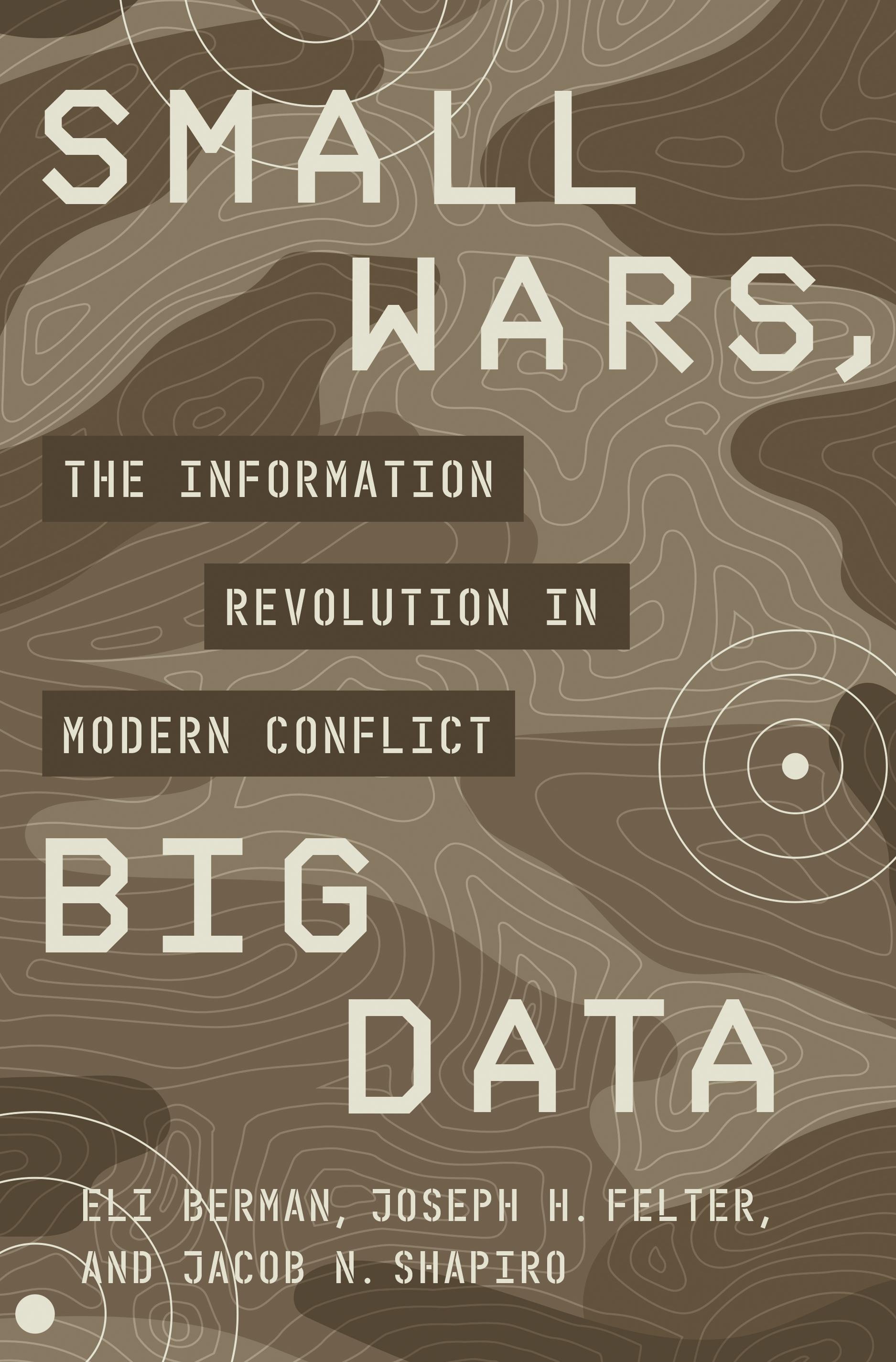
How a new understanding of warfare can help the military fight today’s conflicts more effectively
The way wars are fought has changed starkly over the past sixty years. International military campaigns used to play out between large armies at central fronts. Today's conflicts find major powers facing rebel insurgencies that deploy elusive methods, from improvised explosives to terrorist attacks. Small Wars, Big Data presents a transformative understanding of these contemporary confrontations and how they should be fought. The authors show that a revolution in the study of conflict--enabled by vast data, rich qualitative evidence, and modern methods—yields new insights into terrorism, civil wars, and foreign interventions. Modern warfare is not about struggles over territory but over people; civilians—and the information they might choose to provide—can turn the tide at critical junctures.
The authors draw practical lessons from the past two decades of conflict in locations ranging from Latin America and the Middle East to Central and Southeast Asia. Building an information-centric understanding of insurgencies, the authors examine the relationships between rebels, the government, and civilians. This approach serves as a springboard for exploring other aspects of modern conflict, including the suppression of rebel activity, the role of mobile communications networks, the links between aid and violence, and why conventional military methods might provide short-term success but undermine lasting peace. Ultimately the authors show how the stronger side can almost always win the villages, but why that does not guarantee winning the war.
Small Wars, Big Data provides groundbreaking perspectives for how small wars can be better strategized and favorably won to the benefit of the local population.
Before Memmo my notes were scattered across PDFs. Now a workspace pulls everything into one place — I see exactly what's still left to study.
Memmo's summaries are gold before exams. I don't have to re-read 800 pages two weeks before — just the important parts.
The AI chat has saved me the night before an exam more than once. I just keep asking until I get it — no waiting on a study group to reply.
The quizzes hit exactly what I need to know. Memmo tracks what I get stuck on — so I only practice what's worth it.
Flashcards with spaced repetition are magic. Memmo knows when I'm about to forget something and brings it back.
The AI podcasts are my favorite. I listen on my way to school and get a recap without sitting at a computer.

Handbok i kvalitativa metoder
281 kr

Hållbar utveckling: en introduktion för ingenjörer och andra problemlösare
334 kr

Brymans Samhällsvetenskapliga metoder
390 kr

Projektledning
491 kr

Den orättvisa hälsan: om socioekonomiska skillnader i hälsa och livslängd
326 kr

Vetenskapsteori för nybörjare
196 kr

Organizational Leadership
429 kr

På väg mot läraryrket
172 kr

Det sociala livet i skolan: Socialpsykologiska perspektiv
253 kr

Betygsättningens didaktik
151 kr

Personality
402 kr

Studying Leadership
404 kr

Managing Innovation
477 kr

Introduktion till samhällsvetenskaplig metod
347 kr

The Psychology of Sex and Gender
698 kr

Evidens och kunskap för socialt arbete
207 kr

Introduction to Leadership
605 kr