
Before Memmo my notes were scattered across PDFs. Now a workspace pulls everything into one place — I see exactly what's still left to study.
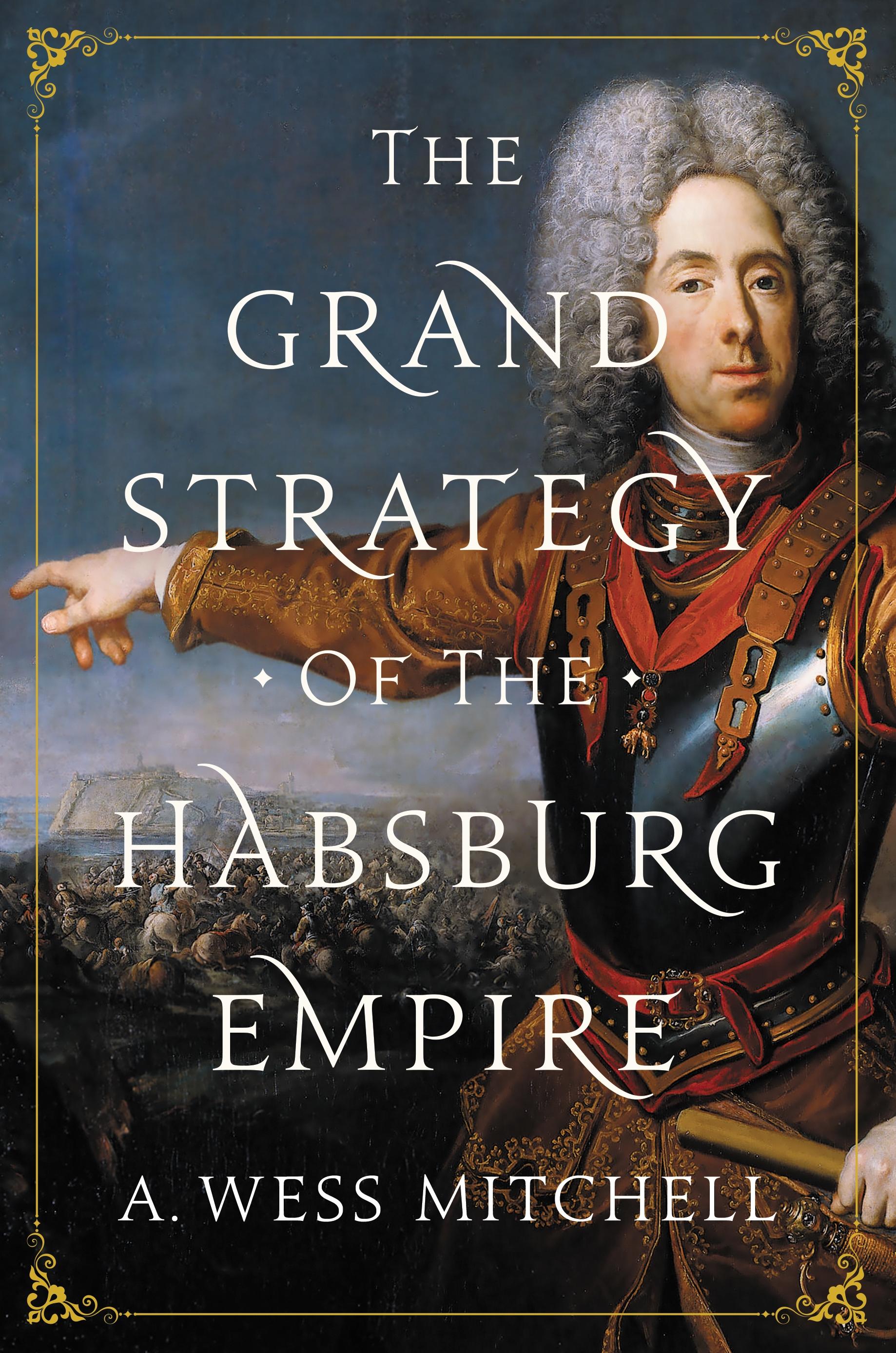
The Habsburg Empire’s grand strategy for outmaneuvering and outlasting stronger rivals in a complicated geopolitical world
The Empire of Habsburg Austria faced more enemies than any other European great power. Flanked on four sides by rivals, it possessed few of the advantages that explain successful empires. Its army was not renowned for offensive prowess, its finances were often shaky, and its populace was fragmented into more than a dozen ethnicities. Yet somehow Austria endured, outlasting Ottoman sieges, Frederick the Great, and Napoleon. The Grand Strategy of the Habsburg Empire tells the story of how this cash-strapped, polyglot empire survived for centuries in Europe's most dangerous neighborhood without succumbing to the pressures of multisided warfare.
Taking readers from the War of the Spanish Succession in the early 1700s to the Austro-Prussian War of 1866, A. Wess Mitchell argues that the Habsburgs succeeded not through offensive military power or great wealth but by developing strategies that manipulated the element of time in geopolitical competition. Unable to fight all their enemies at once, the Habsburgs learned to use the limited tools at their disposal—terrain, technology, and treaty allies—to sequence and stagger their conflicts, drive down the costs of empire, and concentrate scarce resources against the greatest threat of the moment. Rarely holding a grudge after war, they played the "long game" in geopolitics, corralling friend and foe alike into voluntarily managing the empire's lengthy frontiers and extending a benign hegemony across the turbulent lands of middle Europe.
A study in adaptive statecraft, The Grand Strategy of the Habsburg Empire offers lessons on how to navigate a messy geopolitical map, stand firm without the advantage of military predominance, and prevail against multiple rivals.
Before Memmo my notes were scattered across PDFs. Now a workspace pulls everything into one place — I see exactly what's still left to study.
Memmo's summaries are gold before exams. I don't have to re-read 800 pages two weeks before — just the important parts.
The AI chat has saved me the night before an exam more than once. I just keep asking until I get it — no waiting on a study group to reply.
The quizzes hit exactly what I need to know. Memmo tracks what I get stuck on — so I only practice what's worth it.
Flashcards with spaced repetition are magic. Memmo knows when I'm about to forget something and brings it back.
The AI podcasts are my favorite. I listen on my way to school and get a recap without sitting at a computer.

Handbok i kvalitativa metoder
281 kr

Hållbar utveckling: en introduktion för ingenjörer och andra problemlösare
334 kr

Brymans Samhällsvetenskapliga metoder
390 kr

Projektledning
491 kr

Den orättvisa hälsan: om socioekonomiska skillnader i hälsa och livslängd
326 kr

Vetenskapsteori för nybörjare
196 kr

Organizational Leadership
429 kr

På väg mot läraryrket
172 kr

Det sociala livet i skolan: Socialpsykologiska perspektiv
253 kr

Betygsättningens didaktik
151 kr

Personality
402 kr

Studying Leadership
404 kr

Managing Innovation
477 kr

Introduktion till samhällsvetenskaplig metod
347 kr

The Psychology of Sex and Gender
698 kr

Evidens och kunskap för socialt arbete
207 kr

Introduction to Leadership
605 kr