
Before Memmo my notes were scattered across PDFs. Now a workspace pulls everything into one place — I see exactly what's still left to study.
How racism and discrimination have been central to democracies from the classical period to today
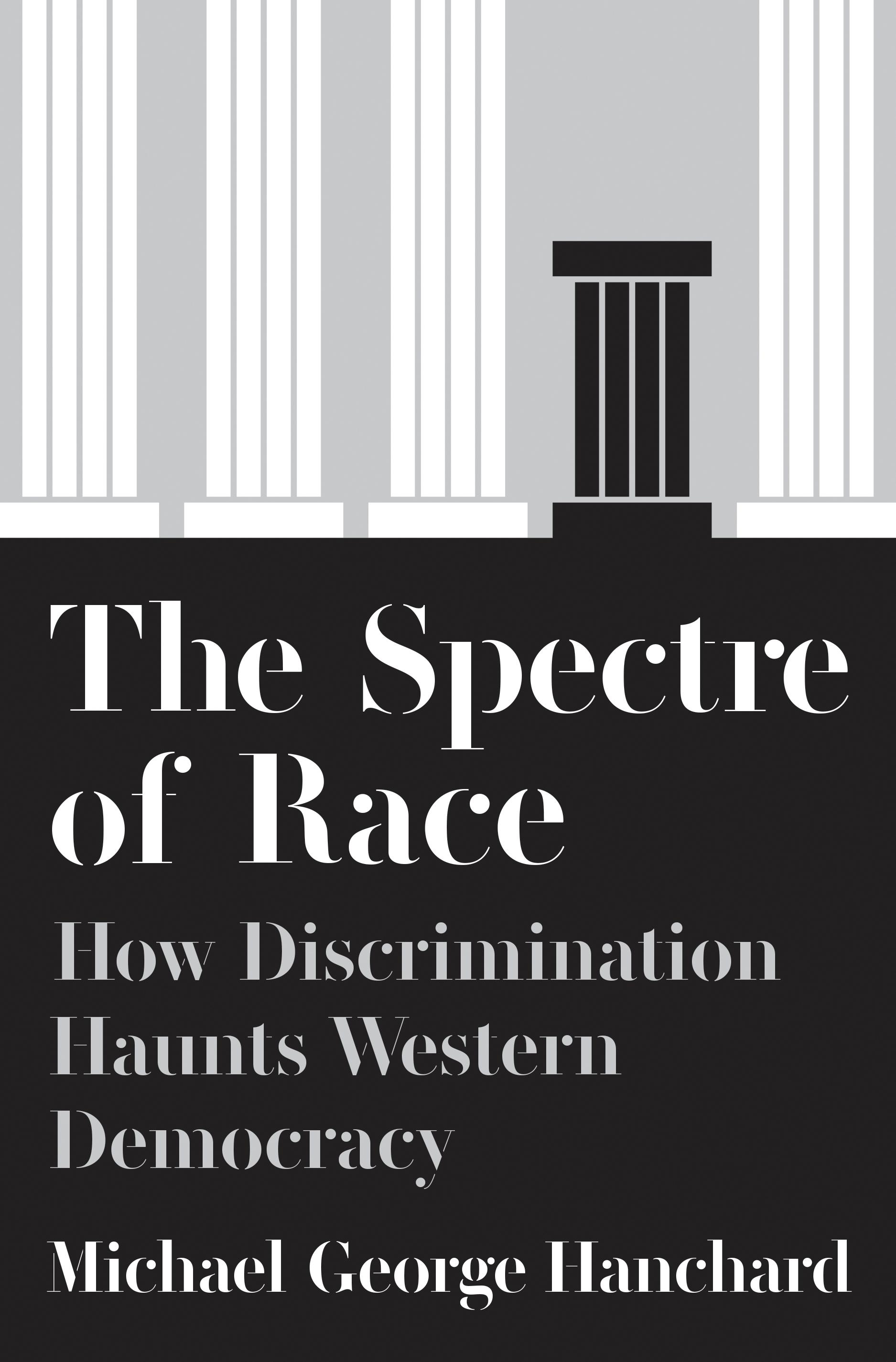
As right-wing nationalism and authoritarian populism gain momentum across the world, liberals, and even some conservatives, worry that democratic principles are under threat. In The Spectre of Race, Michael Hanchard argues that the current rise in xenophobia and racist rhetoric is nothing new and that exclusionary policies have always been central to democratic practices since their beginnings in classical times. Contending that democracy has never been for all people, Hanchard discusses how marginalization is reinforced in modern politics, and why these contradictions need to be fully examined if the dynamics of democracy are to be truly understood.
Hanchard identifies continuities of discriminatory citizenship from classical Athens to the present and looks at how democratic institutions have promoted undemocratic ideas and practices. The longest-standing modern democracies--France, Britain, and the United States—profited from slave labor, empire, and colonialism, much like their Athenian predecessor. Hanchard follows these patterns through the Enlightenment and to the states and political thinkers of the late nineteenth and early twentieth centuries, and he examines how early political scientists, including Woodrow Wilson and his contemporaries, devised what Hanchard has characterized as "racial regimes" to maintain the political and economic privileges of dominant groups at the expense of subordinated ones. Exploring how democracies reconcile political inequality and equality, Hanchard debates the thorny question of the conditions under which democracies have created and maintained barriers to political membership.
Showing the ways that race, gender, nationality, and other criteria have determined a person's status in political life, The Spectre ofRace offers important historical context for how democracy generates political difference and inequality.
Before Memmo my notes were scattered across PDFs. Now a workspace pulls everything into one place — I see exactly what's still left to study.
Memmo's summaries are gold before exams. I don't have to re-read 800 pages two weeks before — just the important parts.
The AI chat has saved me the night before an exam more than once. I just keep asking until I get it — no waiting on a study group to reply.
The quizzes hit exactly what I need to know. Memmo tracks what I get stuck on — so I only practice what's worth it.
Flashcards with spaced repetition are magic. Memmo knows when I'm about to forget something and brings it back.
The AI podcasts are my favorite. I listen on my way to school and get a recap without sitting at a computer.

Handbok i kvalitativa metoder
281 kr

Hållbar utveckling: en introduktion för ingenjörer och andra problemlösare
334 kr

Brymans Samhällsvetenskapliga metoder
390 kr

Projektledning
491 kr

Den orättvisa hälsan: om socioekonomiska skillnader i hälsa och livslängd
326 kr

Vetenskapsteori för nybörjare
196 kr

Organizational Leadership
429 kr

På väg mot läraryrket
172 kr

Det sociala livet i skolan: Socialpsykologiska perspektiv
253 kr

Betygsättningens didaktik
151 kr

Personality
402 kr

Studying Leadership
404 kr

Managing Innovation
477 kr

Introduktion till samhällsvetenskaplig metod
347 kr

The Psychology of Sex and Gender
698 kr

Evidens och kunskap för socialt arbete
207 kr

Introduction to Leadership
605 kr