
Before Memmo my notes were scattered across PDFs. Now a workspace pulls everything into one place — I see exactly what's still left to study.
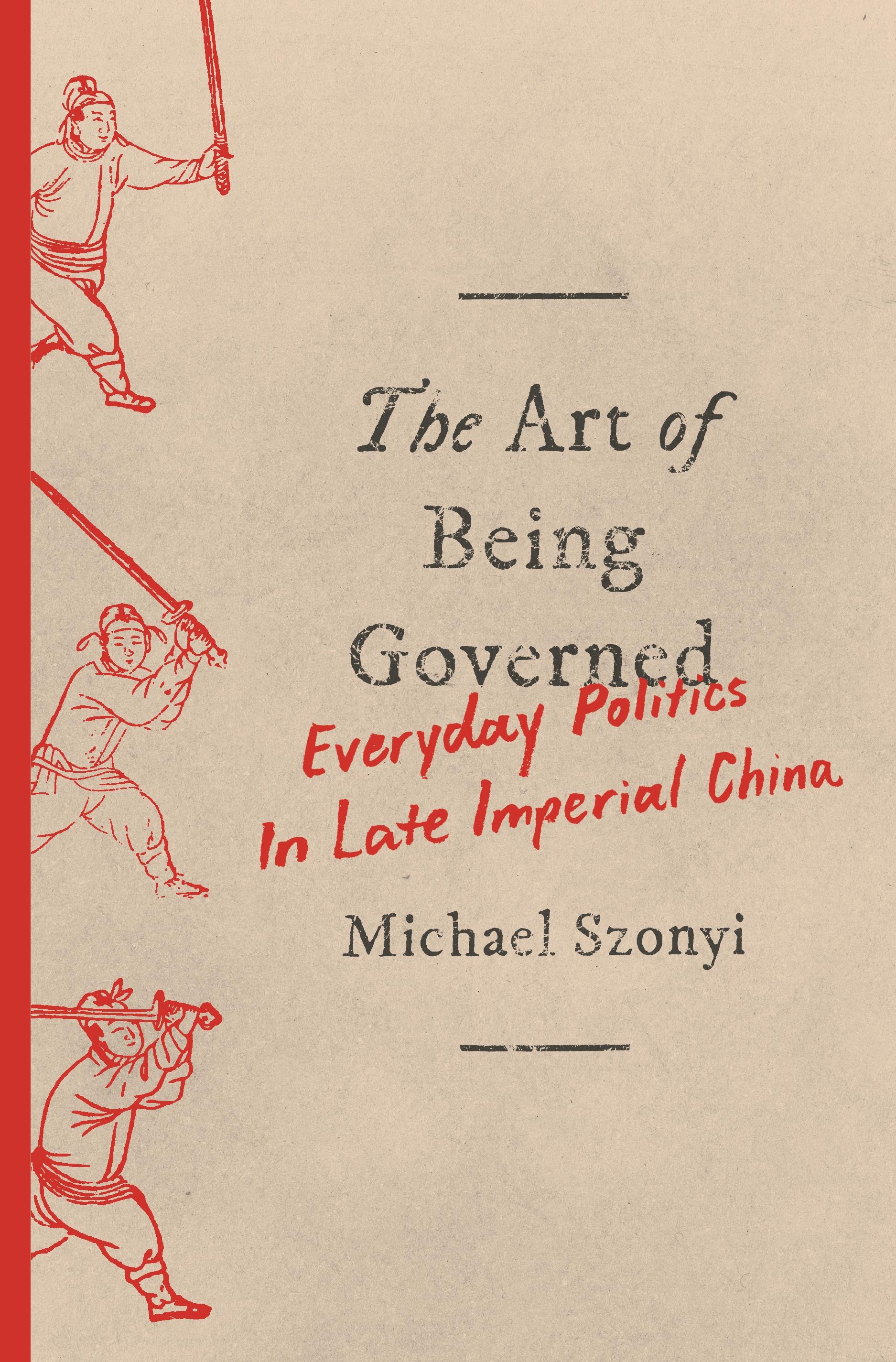
An innovative look at how families in Ming dynasty China negotiated military and political obligations to the state
How did ordinary people in the Ming dynasty (1368–1644) deal with the demands of the state? In The Art of Being Governed, Michael Szonyi explores the myriad ways that families fulfilled their obligations to provide a soldier to the army. The complex strategies they developed to manage their responsibilities suggest a new interpretation of an important period in China’s history as well as a broader theory of politics.
Using previously untapped sources, including lineage genealogies and internal family documents, Szonyi examines how soldiers and their families living on China’s southeast coast minimized the costs and maximized the benefits of meeting government demands for manpower. Families that had to provide a soldier for the army set up elaborate rules to ensure their obligation was fulfilled, and to provide incentives for the soldier not to desert his post. People in the system found ways to gain advantages for themselves and their families. For example, naval officers used the military’s protection to engage in the very piracy and smuggling they were supposed to suppress. Szonyi demonstrates through firsthand accounts how subjects of the Ming state operated in a space between defiance and compliance, and how paying attention to this middle ground can help us better understand not only Ming China but also other periods and places.
Combining traditional scholarship with innovative fieldwork in the villages where descendants of Ming subjects still live, The Art of Being Governed illustrates the ways that arrangements between communities and the state hundreds of years ago have consequences and relevance for how we look at diverse cultures and societies, even today.
Before Memmo my notes were scattered across PDFs. Now a workspace pulls everything into one place — I see exactly what's still left to study.
Memmo's summaries are gold before exams. I don't have to re-read 800 pages two weeks before — just the important parts.
The AI chat has saved me the night before an exam more than once. I just keep asking until I get it — no waiting on a study group to reply.
The quizzes hit exactly what I need to know. Memmo tracks what I get stuck on — so I only practice what's worth it.
Flashcards with spaced repetition are magic. Memmo knows when I'm about to forget something and brings it back.
The AI podcasts are my favorite. I listen on my way to school and get a recap without sitting at a computer.

Handbok i kvalitativa metoder
281 kr

Hållbar utveckling: en introduktion för ingenjörer och andra problemlösare
334 kr

Brymans Samhällsvetenskapliga metoder
390 kr

Projektledning
491 kr

Den orättvisa hälsan: om socioekonomiska skillnader i hälsa och livslängd
326 kr

Vetenskapsteori för nybörjare
196 kr

Organizational Leadership
429 kr

På väg mot läraryrket
172 kr

Det sociala livet i skolan: Socialpsykologiska perspektiv
253 kr

Betygsättningens didaktik
151 kr

Personality
402 kr

Studying Leadership
404 kr

Managing Innovation
477 kr

Introduktion till samhällsvetenskaplig metod
347 kr

The Psychology of Sex and Gender
698 kr

Evidens och kunskap för socialt arbete
207 kr

Introduction to Leadership
605 kr