
Before Memmo my notes were scattered across PDFs. Now a workspace pulls everything into one place — I see exactly what's still left to study.
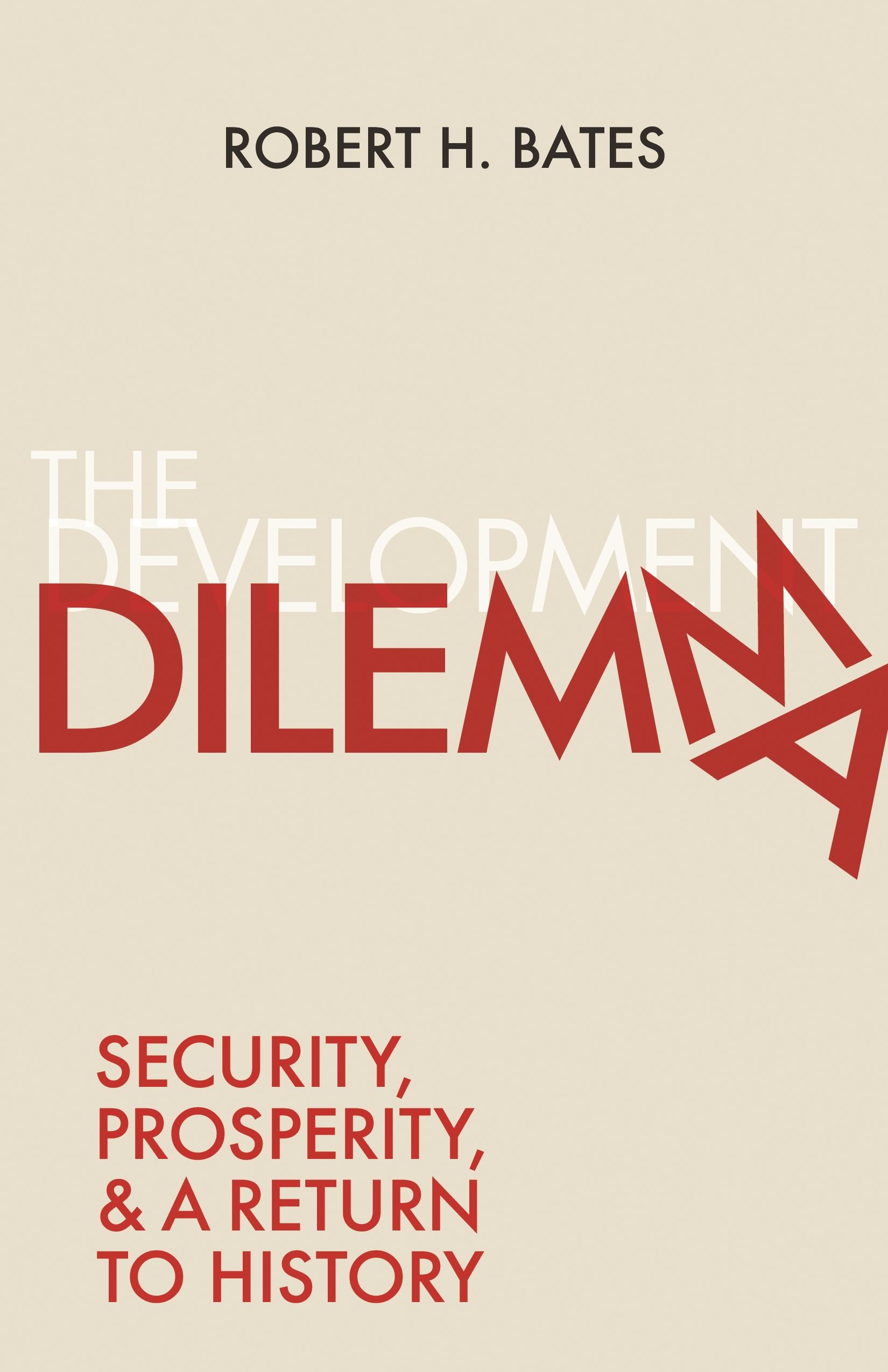
Reassessing the developing world through the lens of Europe's past
Today’s developing nations emerged from the rubble of the Second World War. Only a handful of these countries have subsequently attained a level of prosperity and security comparable to that of the advanced industrial world. The implication is clear: those who study the developing world in order to learn how development can be achieved lack the data to do so.
In The Development Dilemma, Robert Bates responds to this challenge by turning to history, focusing on England and France. By the end of the eighteenth century, England stood poised to enter “the great transformation.” France by contrast verged on state failure, and life and property were insecure. Probing the histories of these countries, Bates uncovers a powerful tension between prosperity and security: both may be necessary for development, he argues, but efforts to achieve the one threaten the achievement of the other. A fundamental tension pervades the political economy of development.
Bates also argues that while the creation of a central hierarchy—a state—may be necessary to the achievement of development, it is not sufficient. What matters is how the power of the state is used. France and England teach us that in some settings the seizure and redistribution of wealth—not its safeguarding and fostering—is a winning political strategy. These countries also suggest the features that mark those settings—features that appear in nations throughout the developing world.
Returning to the present, Bates applies these insights to the world today. Drawing on fieldwork in Zambia and Kenya, and data from around the globe, he demonstrates how the past can help us to understand the performance of nations in today’s developing world.
Before Memmo my notes were scattered across PDFs. Now a workspace pulls everything into one place — I see exactly what's still left to study.
Memmo's summaries are gold before exams. I don't have to re-read 800 pages two weeks before — just the important parts.
The AI chat has saved me the night before an exam more than once. I just keep asking until I get it — no waiting on a study group to reply.
The quizzes hit exactly what I need to know. Memmo tracks what I get stuck on — so I only practice what's worth it.
Flashcards with spaced repetition are magic. Memmo knows when I'm about to forget something and brings it back.
The AI podcasts are my favorite. I listen on my way to school and get a recap without sitting at a computer.

Handbok i kvalitativa metoder
281 kr

Hållbar utveckling: en introduktion för ingenjörer och andra problemlösare
334 kr

Brymans Samhällsvetenskapliga metoder
390 kr

Projektledning
491 kr

Den orättvisa hälsan: om socioekonomiska skillnader i hälsa och livslängd
326 kr

Organizational Leadership
429 kr

Vetenskapsteori för nybörjare
196 kr

På väg mot läraryrket
172 kr

Det sociala livet i skolan: Socialpsykologiska perspektiv
253 kr

Betygsättningens didaktik
151 kr

Personality
402 kr

Studying Leadership
404 kr

Managing Innovation
477 kr

Introduktion till samhällsvetenskaplig metod
347 kr

The Psychology of Sex and Gender
698 kr

Evidens och kunskap för socialt arbete
207 kr

Introduction to Leadership
605 kr