
Before Memmo my notes were scattered across PDFs. Now a workspace pulls everything into one place — I see exactly what's still left to study.
A history of the successes of the human rights movement and a case for why human rights work
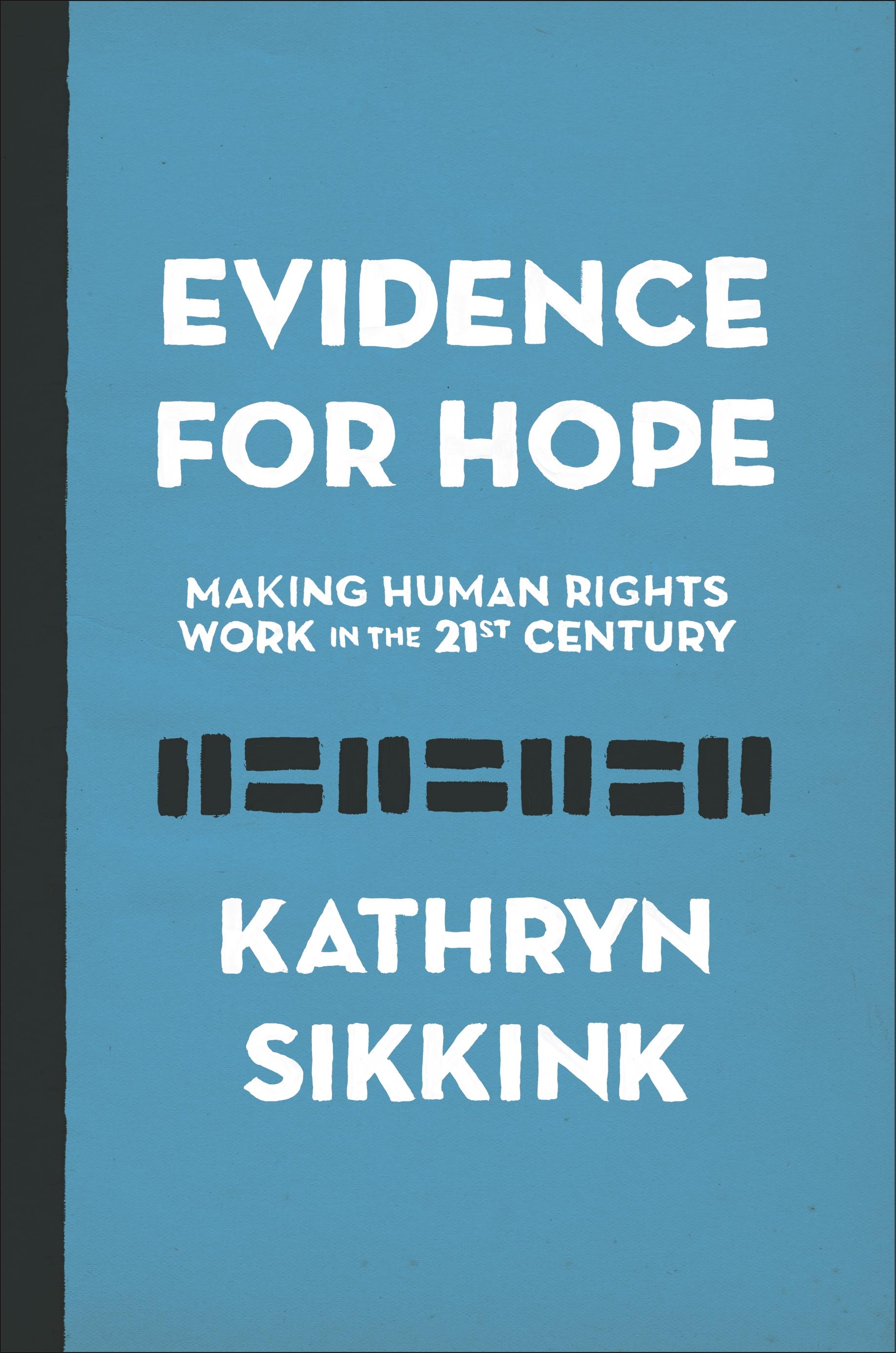
Evidence for Hope makes the case that, yes, human rights work. Critics may counter that the movement is in serious jeopardy or even a questionable byproduct of Western imperialism. They point out that Guantánamo is still open, the Arab Spring protests have been crushed, and governments are cracking down on NGOs everywhere. But respected human rights expert Kathryn Sikkink draws on decades of research and fieldwork to provide a rigorous rebuttal to pessimistic doubts about human rights laws and institutions. She demonstrates that change comes slowly and as the result of struggle, but in the long term, human rights movements have been vastly effective.
Attacks on the human rights movement’s credibility are based on the faulty premise that human rights ideas emerged in North America and Europe and were imposed on developing southern nations. Starting in the 1940s, Latin American leaders and activists were actually early advocates for the international protection of human rights. Sikkink shows that activists and scholars disagree about the efficacy of human rights because they use different yardsticks to measure progress. Comparing the present to the past, she shows that genocide and violence against civilians have declined over time, while access to healthcare and education has increased dramatically. Cognitive and news biases contribute to pervasive cynicism, but Sikkink’s investigation into past and current trends indicates that human rights is not in its twilight. Instead, this is a period of vibrant activism that has made impressive improvements in human well-being.
Exploring the strategies that have led to real humanitarian gains since the middle of the twentieth century, Evidence for Hope looks at how these essential advances can be supported and sustained for decades to come.
Before Memmo my notes were scattered across PDFs. Now a workspace pulls everything into one place — I see exactly what's still left to study.
Memmo's summaries are gold before exams. I don't have to re-read 800 pages two weeks before — just the important parts.
The AI chat has saved me the night before an exam more than once. I just keep asking until I get it — no waiting on a study group to reply.
The quizzes hit exactly what I need to know. Memmo tracks what I get stuck on — so I only practice what's worth it.
Flashcards with spaced repetition are magic. Memmo knows when I'm about to forget something and brings it back.
The AI podcasts are my favorite. I listen on my way to school and get a recap without sitting at a computer.

Handbok i kvalitativa metoder
281 kr

Hållbar utveckling: en introduktion för ingenjörer och andra problemlösare
334 kr

Brymans Samhällsvetenskapliga metoder
390 kr

Projektledning
491 kr

Den orättvisa hälsan: om socioekonomiska skillnader i hälsa och livslängd
326 kr

Organizational Leadership
429 kr

Vetenskapsteori för nybörjare
196 kr

På väg mot läraryrket
172 kr

Det sociala livet i skolan: Socialpsykologiska perspektiv
253 kr

Betygsättningens didaktik
151 kr

Personality
402 kr

Studying Leadership
404 kr

Managing Innovation
477 kr

Introduktion till samhällsvetenskaplig metod
347 kr

The Psychology of Sex and Gender
698 kr

Evidens och kunskap för socialt arbete
207 kr

Introduction to Leadership
605 kr