
Before Memmo my notes were scattered across PDFs. Now a workspace pulls everything into one place — I see exactly what's still left to study.
How the conflict between federal and state power has shaped American history
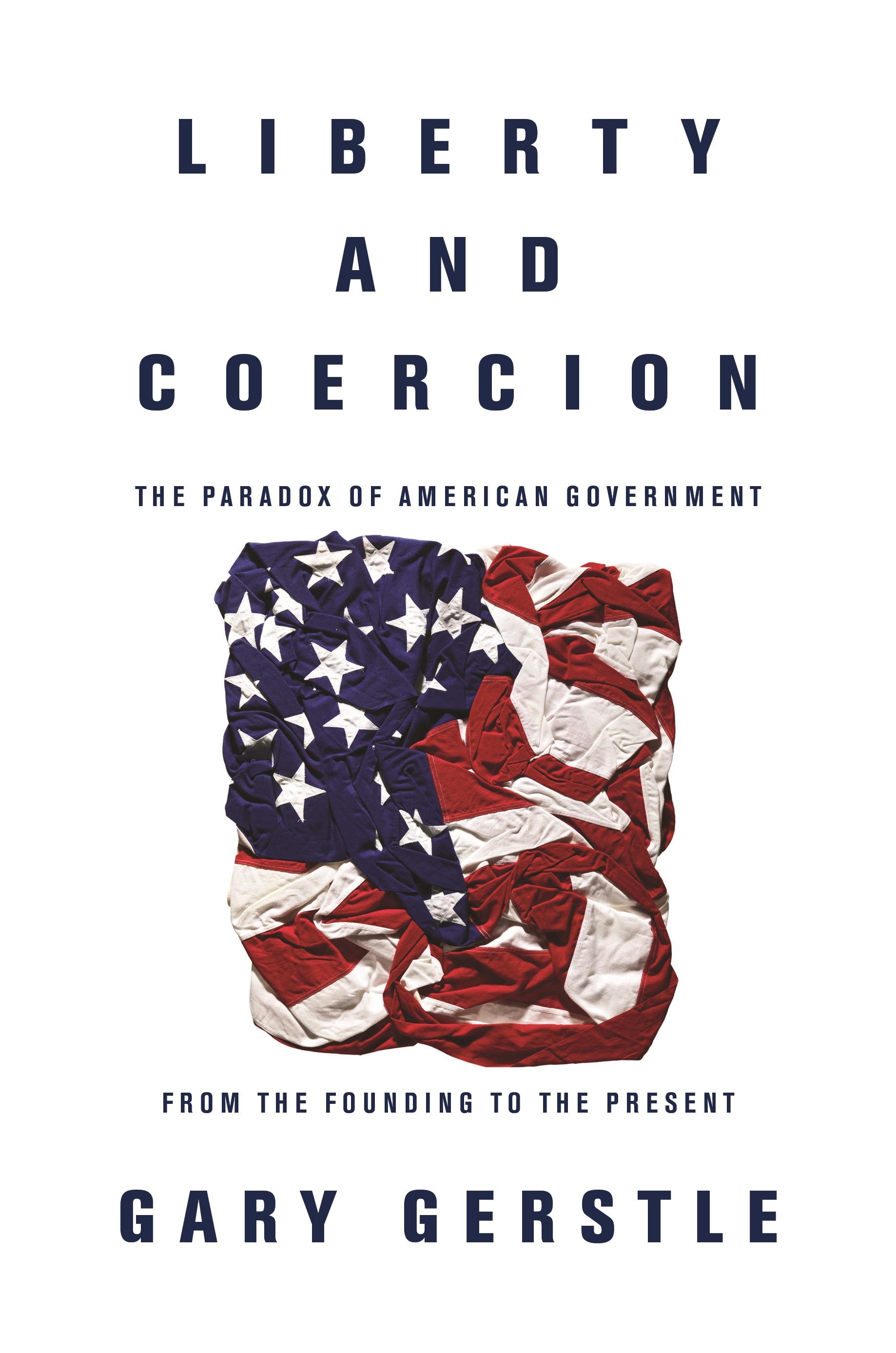
American governance is burdened by a paradox. On the one hand, Americans don't want "big government" meddling in their lives; on the other hand, they have repeatedly enlisted governmental help to impose their views regarding marriage, abortion, religion, and schooling on their neighbors. These contradictory stances on the role of public power have paralyzed policymaking and generated rancorous disputes about government’s legitimate scope. How did we reach this political impasse? Historian Gary Gerstle, looking at two hundred years of U.S. history, argues that the roots of the current crisis lie in two contrasting theories of power that the Framers inscribed in the Constitution.
One theory shaped the federal government, setting limits on its power in order to protect personal liberty. Another theory molded the states, authorizing them to go to extraordinary lengths, even to the point of violating individual rights, to advance the "good and welfare of the commonwealth." The Framers believed these theories could coexist comfortably, but conflict between the two has largely defined American history. Gerstle shows how national political leaders improvised brilliantly to stretch the power of the federal government beyond where it was meant to go—but at the cost of giving private interests and state governments too much sway over public policy. The states could be innovative, too. More impressive was their staying power. Only in the 1960s did the federal government, impelled by the Cold War and civil rights movement, definitively assert its primacy. But as the power of the central state expanded, its constitutional authority did not keep pace. Conservatives rebelled, making the battle over government’s proper dominion the defining issue of our time.
From the Revolution to the Tea Party, and the Bill of Rights to the national security state, Liberty and Coercion is a revelatory account of the making and unmaking of government in America.
Before Memmo my notes were scattered across PDFs. Now a workspace pulls everything into one place — I see exactly what's still left to study.
Memmo's summaries are gold before exams. I don't have to re-read 800 pages two weeks before — just the important parts.
The AI chat has saved me the night before an exam more than once. I just keep asking until I get it — no waiting on a study group to reply.
The quizzes hit exactly what I need to know. Memmo tracks what I get stuck on — so I only practice what's worth it.
Flashcards with spaced repetition are magic. Memmo knows when I'm about to forget something and brings it back.
The AI podcasts are my favorite. I listen on my way to school and get a recap without sitting at a computer.

Handbok i kvalitativa metoder
281 kr

Hållbar utveckling: en introduktion för ingenjörer och andra problemlösare
334 kr

Brymans Samhällsvetenskapliga metoder
390 kr

Projektledning
491 kr

Den orättvisa hälsan: om socioekonomiska skillnader i hälsa och livslängd
326 kr

Vetenskapsteori för nybörjare
196 kr

Organizational Leadership
429 kr

På väg mot läraryrket
172 kr

Det sociala livet i skolan: Socialpsykologiska perspektiv
253 kr

Betygsättningens didaktik
151 kr

Personality
402 kr

Studying Leadership
404 kr

Managing Innovation
477 kr

Introduktion till samhällsvetenskaplig metod
347 kr

The Psychology of Sex and Gender
698 kr

Evidens och kunskap för socialt arbete
207 kr

Introduction to Leadership
605 kr