
Before Memmo my notes were scattered across PDFs. Now a workspace pulls everything into one place — I see exactly what's still left to study.
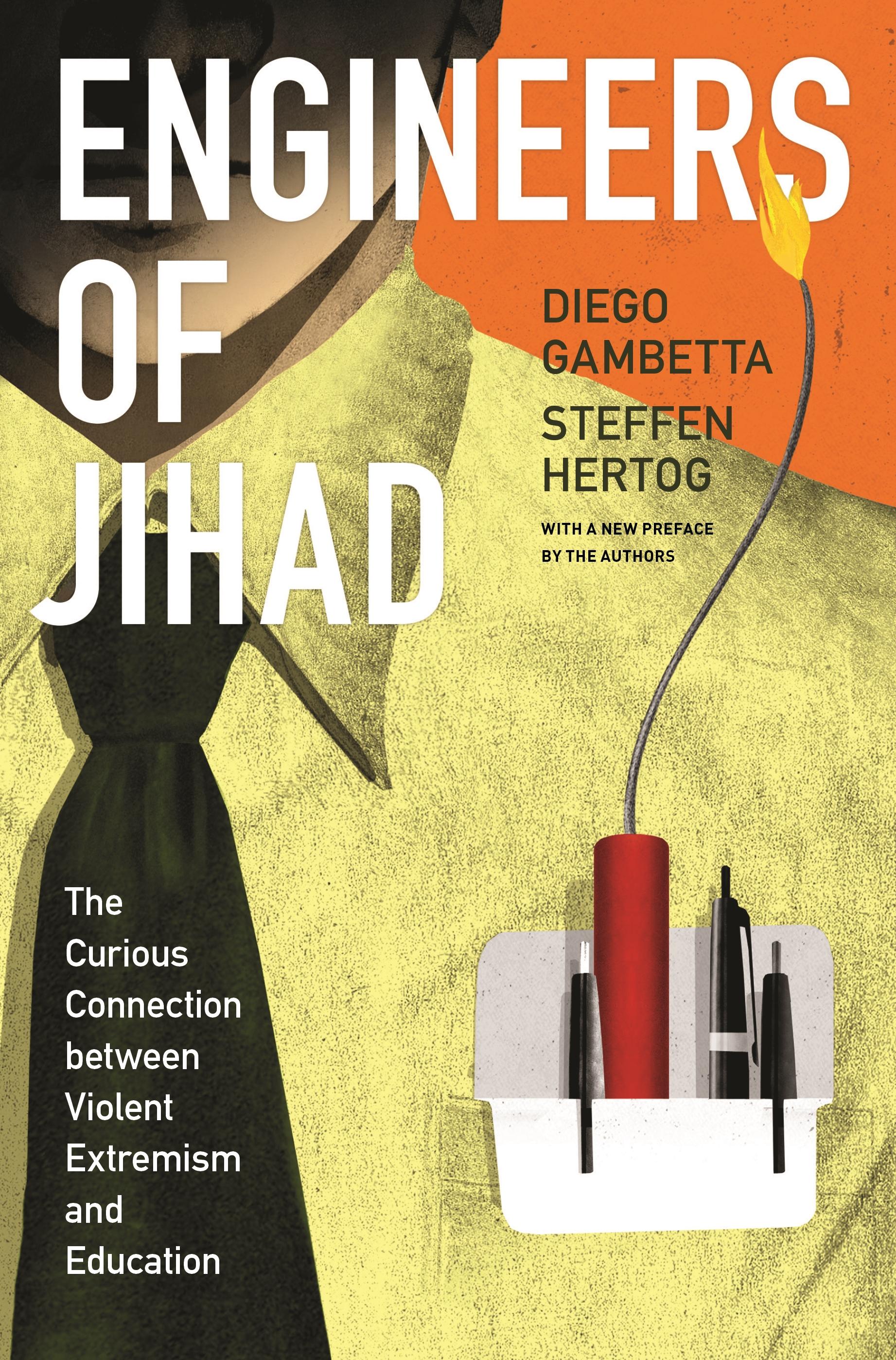
A groundbreaking investigation into why so many Islamic radicals are engineers
The violent actions of a few extremists can alter the course of history, yet there persists a yawning gap between the potential impact of these individuals and what we understand about them. In Engineers of Jihad, Diego Gambetta and Steffen Hertog uncover two unexpected facts, which they imaginatively leverage to narrow that gap: they find that a disproportionate share of Islamist radicals come from an engineering background, and that Islamist and right-wing extremism have more in common than either does with left-wing extremism, in which engineers are absent while social scientists and humanities students are prominent.
Searching for an explanation, they tackle four general questions about extremism: Under which socioeconomic conditions do people join extremist groups? Does the profile of extremists reflect how they self-select into extremism or how groups recruit them? Does ideology matter in sorting who joins which group? Lastly, is there a mindset susceptible to certain types of extremism?
Using rigorous methods and several new datasets, they explain the link between educational discipline and type of radicalism by looking at two key factors: the social mobility (or lack thereof) for engineers in the Muslim world, and a particular mindset seeking order and hierarchy that is found more frequently among engineers. Engineers' presence in some extremist groups and not others, the authors argue, is a proxy for individual traits that may account for the much larger question of selective recruitment to radical activism.
Opening up markedly new perspectives on the motivations of political violence, Engineers of Jihad yields unexpected answers about the nature and emergence of extremism.
Before Memmo my notes were scattered across PDFs. Now a workspace pulls everything into one place — I see exactly what's still left to study.
Memmo's summaries are gold before exams. I don't have to re-read 800 pages two weeks before — just the important parts.
The AI chat has saved me the night before an exam more than once. I just keep asking until I get it — no waiting on a study group to reply.
The quizzes hit exactly what I need to know. Memmo tracks what I get stuck on — so I only practice what's worth it.
Flashcards with spaced repetition are magic. Memmo knows when I'm about to forget something and brings it back.
The AI podcasts are my favorite. I listen on my way to school and get a recap without sitting at a computer.

Handbok i kvalitativa metoder
281 kr

Hållbar utveckling: en introduktion för ingenjörer och andra problemlösare
334 kr

Brymans Samhällsvetenskapliga metoder
390 kr

Projektledning
491 kr

Den orättvisa hälsan: om socioekonomiska skillnader i hälsa och livslängd
326 kr

Vetenskapsteori för nybörjare
196 kr

Organizational Leadership
429 kr

På väg mot läraryrket
172 kr

Det sociala livet i skolan: Socialpsykologiska perspektiv
253 kr

Betygsättningens didaktik
151 kr

Personality
402 kr

Studying Leadership
404 kr

Managing Innovation
477 kr

Introduktion till samhällsvetenskaplig metod
347 kr

The Psychology of Sex and Gender
698 kr

Evidens och kunskap för socialt arbete
207 kr

Introduction to Leadership
605 kr